


Is Aluminum Alloy Photo Frame Durable?
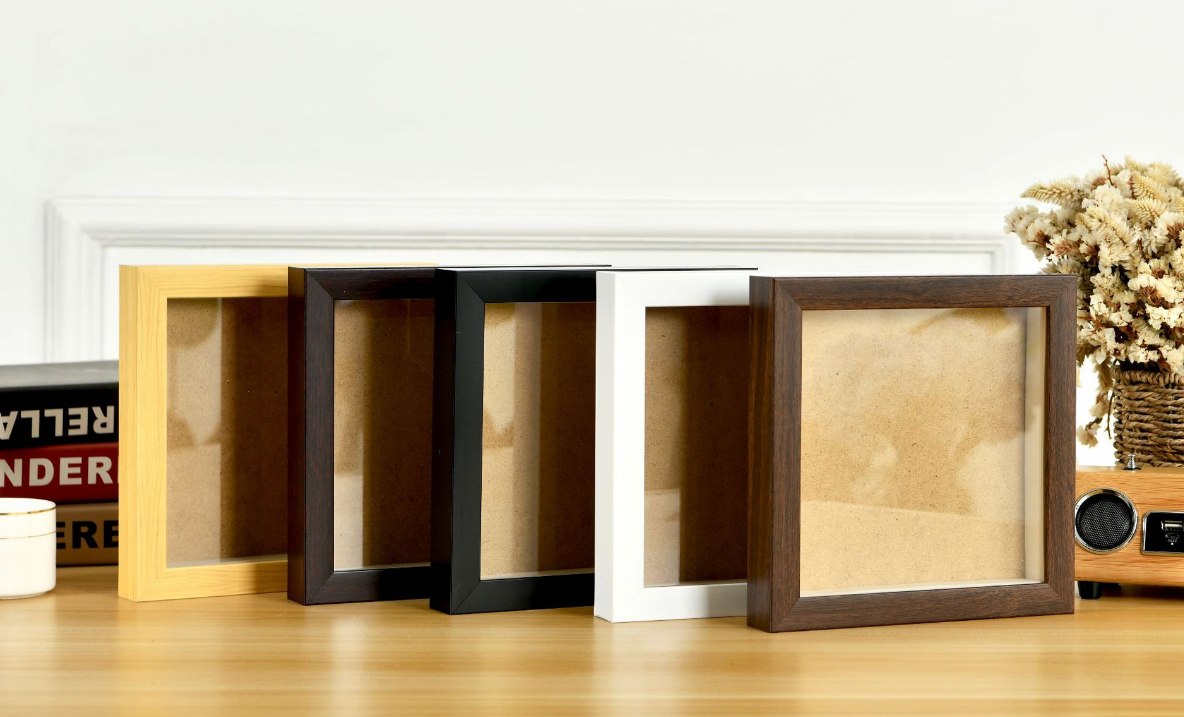
The structural durability of modern display systems is closely linked to material selection, and aluminum-based framing has become a widely adopted solution. An Aluminum Alloy Photo Frame combines mechanical strength, corrosion resistance, and lightweight construction, making it suitable for both decorative and functional environments.
The foundation of strength lies in aluminum extrusion alloys, commonly 6063-T5 or 6061-T6. These alloys offer tensile strength values ranging from 160 MPa to 290 MPa depending on heat treatment conditions. The T5 and T6 tempering processes improve hardness and resistance to deformation while maintaining machinability for precise profile shaping.
Frame rigidity depends heavily on profile geometry. Most aluminum alloy frames use hollow rectangular or L-shaped cross-sections. These designs increase moment of inertia, allowing the frame to resist bending forces even when supporting larger glass or acrylic panels. Wall thickness typically ranges from 0.8 mm to 2.0 mm depending on application requirements.
Surface protection is achieved through anodization or powder coating. Anodized layers are formed by electrochemical oxidation, producing a dense aluminum oxide coating integrated into the base metal. This layer typically measures 10–25 microns and enhances abrasion resistance and corrosion protection. Salt spray resistance can exceed 500 hours under controlled testing conditions.
Inside a typical Aluminum Alloy Photo Frame assembly, structural components include:
Aluminum extrusion perimeter frame
Transparent cover (acrylic or tempered glass)
Inner sealing strip to prevent dust entry
Rigid backing board to maintain flat image alignment
Corner fasteners or mechanical joints
These elements ensure that photographs or printed media remain flat and protected from environmental exposure such as humidity, dust, and UV light.
Thermal expansion is another important factor. Aluminum expands at approximately 23 × 10⁻⁶ /°C, which is managed in frame design through expansion gaps or flexible corner joints. This prevents stress accumulation in large-format installations, especially in environments with varying indoor temperatures.
Weight distribution also contributes to usability. Even frames exceeding 1 meter in length remain relatively lightweight compared to steel or wood alternatives. This reduces installation load on wall anchors and allows safer mounting on drywall or partition surfaces.
In long-term use scenarios, aluminum alloy frames maintain dimensional stability without cracking or warping. Unlike wood, which can absorb moisture and deform, aluminum remains unaffected by humidity variations. This makes it suitable for museums, offices, retail displays, and educational environments.
Another functional advantage is modular assembly. Many Aluminum Alloy Photo Frame systems allow interchangeable parts, enabling replacement of damaged sections without discarding the entire frame. Corner connectors are often made from reinforced nylon or die-cast aluminum, providing stable joint strength while maintaining alignment precision.
Aesthetic flexibility is also significant. Surface finishes can be customized to match interior design themes:
Brushed silver for industrial-style interiors
Matte black for modern minimalistic environments
Champagne gold for premium decorative spaces
Frame depth typically ranges from 10 mm to 30 mm, depending on design requirements and mounting style. Deeper profiles provide additional rigidity for larger displays, while slimmer profiles are preferred for lightweight decorative use.
The combination of structural strength, environmental resistance, and design flexibility makes aluminum alloy framing a widely used solution in both commercial and residential display applications.

 English
 Arabic
 French
 Spanish
 Portuguese
 Deutsch
 Turkish
 Dutch
Dutch
 Italiano
 Russian
 Portuguese (Brazil)
 Greek
Greek
