


How Do Chromium Cast Iron Fittings Perform?
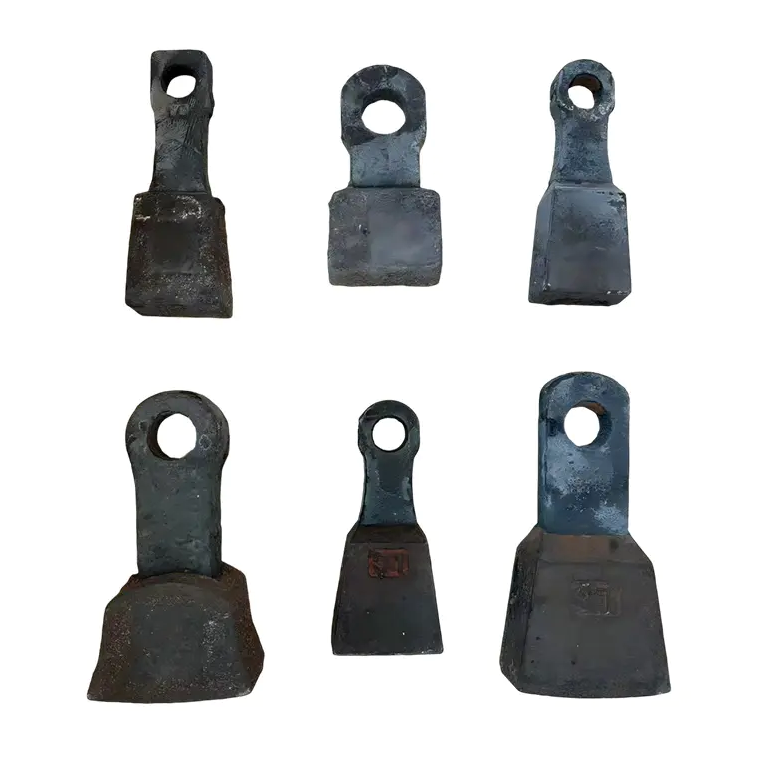
Wear-resistant engineering components rely heavily on microstructural control to maintain durability under repeated mechanical stress. High Chromium Cast Iron Fittings are widely used in environments where sliding abrasion, particle impact, and erosive flow conditions dominate failure mechanisms.
At the core of their performance lies a composite microstructure consisting of hard chromium-rich carbides and a supporting metallic matrix. The carbide phase is primarily M7C3 type, formed during solidification when chromium and carbon exceed solubility limits in molten iron. These carbides create a rigid skeleton that resists cutting and scratching actions from abrasive media. Research indicates that these carbides can reach hardness levels of 1800–2200 HV, significantly higher than standard carbon steel phases.
The matrix surrounding carbides is usually martensitic or austenite–martensite mixture. This phase provides toughness, preventing brittle failure during impact loading. Without this matrix support, carbide networks could fracture easily under dynamic stress. The synergy between hard and tough phases defines the overall durability of High Chromium Cast Iron Fittings.
Typical chemical composition ranges:
Chromium: 14%–28%
Carbon: 2.0%–3.5%
Molybdenum: 0.5%–2%
Nickel: 0.5%–3%
Each element plays a distinct role. Chromium forms carbides and enhances corrosion resistance. Carbon supports carbide volume fraction. Molybdenum refines carbide morphology and improves high-temperature stability. Nickel stabilizes the matrix, improving resistance to cracking.
Heat treatment is critical in controlling mechanical balance. A destabilization heat cycle at 900–980°C followed by rapid cooling promotes secondary carbide precipitation. These fine carbides strengthen the matrix and improve resistance to micro-ploughing wear. Tempering at controlled temperatures reduces internal stress and improves service stability under cyclic loads.
In operational environments such as slurry pumps and mineral processing pipelines, wear occurs through three main mechanisms:
Micro-cutting from hard particles
Fatigue cracking due to cyclic impact
Surface erosion from fluid-solid interaction
High Chromium Cast Iron Fittings resist these mechanisms by distributing stress across carbide networks while maintaining structural integrity in the matrix. Even when surface layers are gradually worn, underlying carbide-rich zones continue to provide protection.
Corrosion performance also contributes to long-term stability. Chromium forms a passive oxide film that limits further oxidation. This is particularly useful in wet slurry systems where chemical corrosion and mechanical wear occur simultaneously.
From a design perspective, geometry and thickness influence performance. Thicker sections cool slowly, resulting in coarser carbides, while thinner sections promote finer microstructures. Engineers often adjust wall thickness to optimize wear distribution across fittings.
Failure analysis of worn fittings often reveals carbide fracture at high-stress interfaces or matrix removal exposing carbide clusters. Improving alloy cleanliness and refining grain boundaries helps reduce these failure modes.
Industrial adoption of High Chromium Cast Iron Fittings continues expanding due to their balance of hardness, cost efficiency, and adaptability. Compared with conventional alloy steels, they provide significantly improved resistance in abrasive environments without requiring complex manufacturing processes.
Conclusion
The performance of high chromium cast iron is rooted in controlled microstructure engineering. By balancing carbide hardness and matrix toughness, these fittings achieve reliable operation in high-wear industrial systems, especially where particle erosion dominates degradation.

 English
 Arabic
 French
 Spanish
 Portuguese
 Deutsch
 Dutch
Dutch
 Italiano
 Russian
 Romaian
 Portuguese (Brazil)
 Greek
Greek
