


Which Materials Are Used in Cosplay Production?
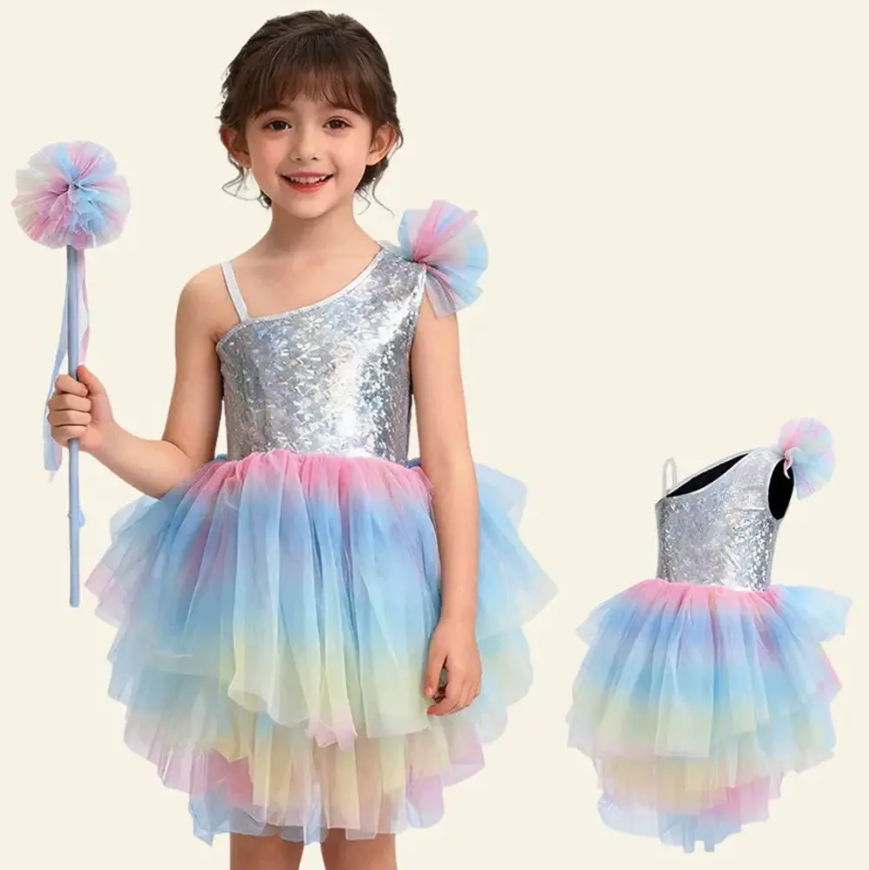
Material selection is one of the most critical factors in cosplay manufacturing because it directly affects comfort, appearance, durability, and production efficiency. A professional cosplay costume factory must balance visual accuracy with real-world wearability, especially for costumes designed for long convention hours or performance environments.
Fabric materials form the foundation of most costumes. Common textile choices include spandex, polyester satin, twill, velvet, and chiffon. Spandex blends with 15–25% elastane content are widely used in body suits due to their stretch recovery rate, which can exceed 90%. This ensures costumes maintain shape even after repeated movement and washing cycles. Polyester satin is often selected for uniforms and fantasy garments because it provides a controlled sheen without excessive reflection under camera lighting.
Breathability is another important parameter. Cotton-based fabrics with 150–200 GSM are often used for inner layers or lining to improve comfort during extended wear. In hotter environments or stage performances, mesh fabrics with 30–50% open structure are added under armor or layered clothing to improve airflow.
Beyond fabrics, structural materials play an equally important role. EVA foam remains a standard choice for armor fabrication. Depending on design complexity, foam thickness is selected carefully: 3mm for fine detailing, 5mm for medium armor panels, and 10mm for load-bearing or helmet structures. Density affects durability, with higher-density foam providing better resistance to deformation during transport and repeated use.
Thermoplastic sheets are sometimes introduced for advanced builds. These materials can be heated to 60°C–90°C to become moldable, allowing precise shaping over molds or forms. After cooling, they retain rigid structures suitable for sharp armor edges and mechanical props.
Adhesives and coatings also contribute to final quality. Contact adhesives are commonly used for foam bonding because they provide flexible yet strong joints. Fabric glue and reinforced stitching are combined for hybrid structures where fabric meets foam. Surface coating systems often include flexible acrylic primers followed by water-based paints that maintain elasticity without cracking.
Inside a cosplay costume factory, material testing is often performed before production. Stretch recovery, colorfastness, abrasion resistance, and heat tolerance are evaluated. For example, fabric may be tested through 50+ wash cycles to ensure dye stability, while foam may undergo compression testing to simulate transport stress.
Another key consideration is layering structure. Many costumes combine 2–5 material types in a single outfit. A typical armored suit might include spandex base layer, foam armor plates, plastic trims, and fabric straps. Each layer must be engineered to avoid friction damage or overheating.
Environmental factors also influence material choice. In humid climates, moisture-wicking fabrics are prioritized. In colder environments, layered insulation fabrics may be added without affecting external appearance.
Through careful material engineering, a cosplay costume factory ensures that costumes are not only visually accurate but also structurally reliable and comfortable for real-world use. This combination of textile science and artistic interpretation is what allows complex character designs to be transformed into practical wearable products.

 English
 Arabic
 French
 Spanish
 Portuguese
 Deutsch
 Turkish
 Dutch
Dutch
 Italiano
 Russian
 Portuguese (Brazil)
 Greek
Greek
