


How Smart Circulation Pumps Improve Heating Efficiency
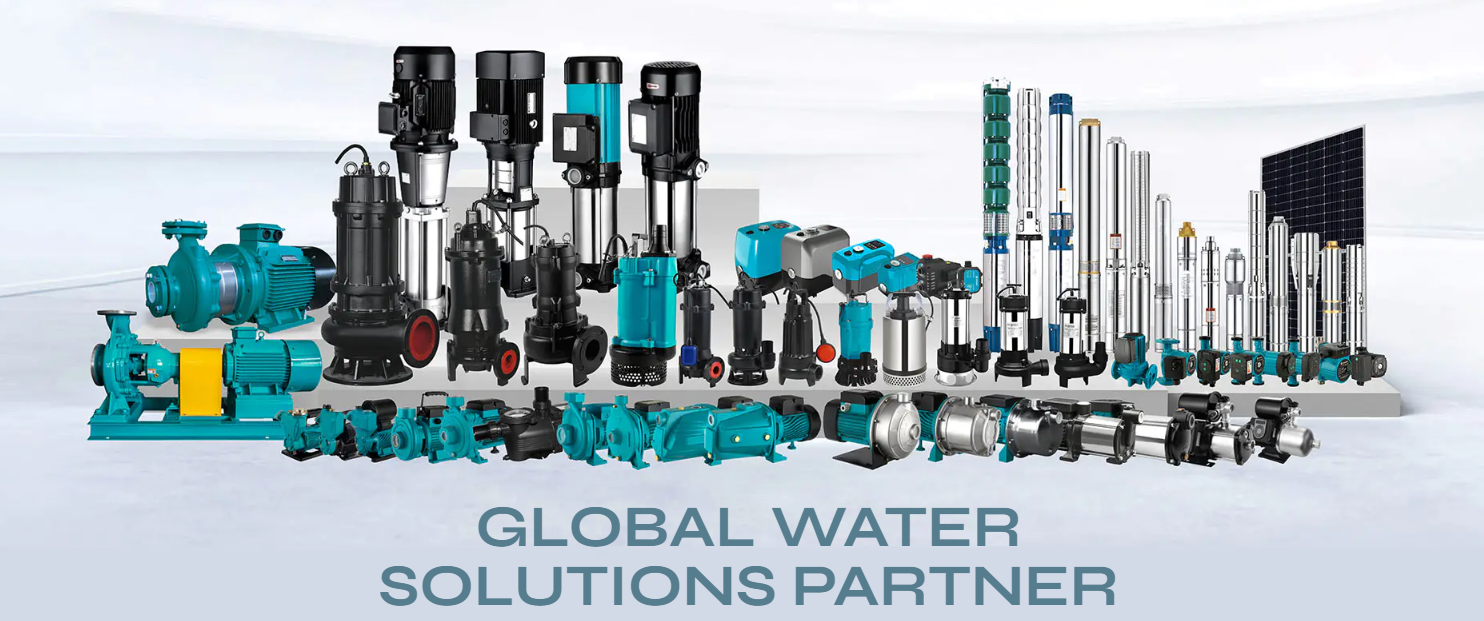
Heating and cooling systems require precise water circulation to maintain consistent thermal comfort. Traditional pumps operate at fixed speed, which often leads to energy waste during low demand periods. The Intelligent Circulation Pump introduces adaptive control strategies that significantly improve system efficiency.
At the core of this technology is a variable-speed motor system, typically built around permanent magnet synchronous motors. These motors can operate across a wide speed range, often from 1000 RPM to 4500 RPM depending on system load. Combined with frequency conversion control, the pump continuously adjusts hydraulic output according to pressure feedback sensors.
A typical Intelligent Circulation Pump used in HVAC systems delivers flow rates between 2 m³/h and 4 m³/h, with head pressure ranging from 4 m to 7 m. This makes it suitable for radiator systems, boiler loops, solar heating circuits, and domestic hot water recirculation networks.
One important control strategy is constant pressure mode. In this mode, the pump maintains a fixed differential pressure in the system pipeline, ensuring stable water distribution even when multiple valves open or close. Another widely used mode is proportional pressure control, where pressure is automatically reduced at lower flow demand to save energy.
Energy savings come primarily from reduced motor speed during partial load operation. Since pump power consumption is proportional to the cube of rotational speed, even a small reduction in RPM can lead to significant energy reduction. For example, reducing speed by 20% can lower energy consumption by nearly 50% under certain hydraulic conditions.
Intelligent circulation systems also include temperature-based logic. When return water temperature exceeds preset thresholds, the pump reduces speed or enters standby mode. When temperature drops below target levels, it gradually increases circulation speed to restore thermal balance.
Modern systems often support multiple communication interfaces. PWM control allows external controllers to adjust pump speed using duty-cycle signals, while LIN or RS485 interfaces enable integration into building automation systems. Some advanced configurations also support IoT connectivity, allowing remote monitoring of flow rate, power consumption, and fault diagnostics.
Durability is another key engineering focus. Pump housings are typically constructed from cast iron or reinforced composite materials designed to withstand pressures up to 1 MPa. Internal sealing systems prevent leakage, while ceramic bearings reduce wear and extend operational life.
Noise reduction is achieved through hydraulic optimization and balanced impeller design. In residential applications, sound levels can remain below 38–45 dB, ensuring quiet operation even during nighttime use.
Safety systems include overload protection, blocked-rotor detection, and automatic restart functions. These features prevent damage during abnormal operating conditions such as air lock or system blockage.
Overall, Intelligent Circulation Pump systems enhance heating efficiency by combining smart control algorithms, energy-efficient motors, and real-time system feedback. This makes them a key component in modern HVAC design focused on sustainability and operational cost reduction.

 English
 Arabic
 French
 Spanish
 Portuguese
 Deutsch
 Turkish
 Dutch
 Italiano
 Romaian
 Portuguese (Brazil)
 Greek
