


How Is Wooden Craft Made Today?
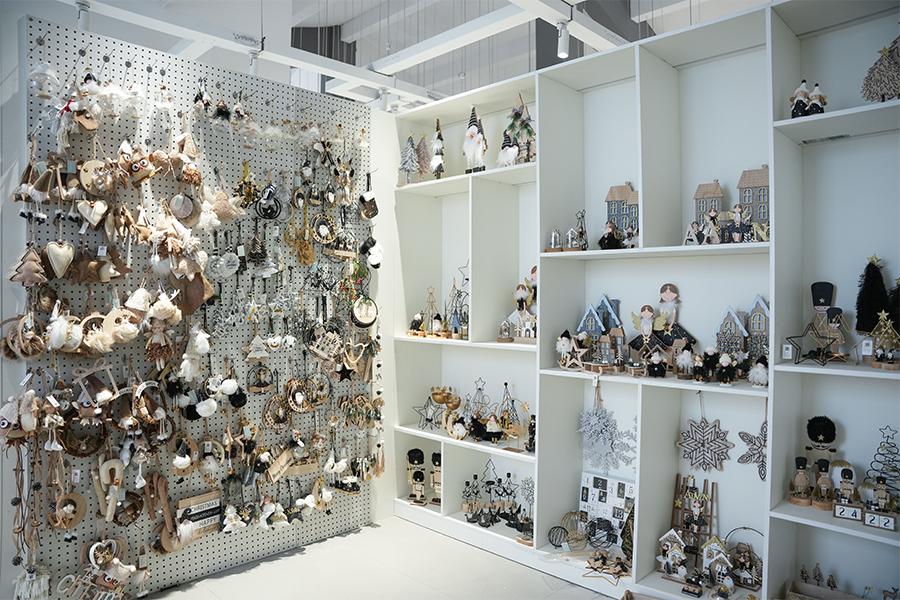
The production of wooden craft items combines traditional craftsmanship concepts with modern manufacturing precision. From decorative figurines to seasonal ornaments, each product follows a structured process designed to ensure consistency, durability, and visual appeal. A professional Wooden Craft Supplier integrates material selection, machining, finishing, and packaging into a complete production system suitable for global seasonal markets.
The process begins with raw material preparation. Wood boards are selected based on density, grain structure, and stability. Commonly used materials include poplar, pine, MDF wood composite, and birch plywood. Each material serves different product purposes. For example, poplar is often used for lightweight decorations, while birch plywood is preferred for items requiring higher structural strength.
After selection, wood sheets are cut into required shapes using CNC machines or laser cutting systems. CNC cutting provides high precision and is suitable for complex designs such as layered Christmas decorations, Easter-themed ornaments, and intricate wall hangings. Laser cutting allows fine detailing, especially for thin materials between 2mm and 6mm thickness. Cutting accuracy is generally maintained within ±0.2mm to ensure consistent assembly results.
Once shaping is completed, surface sanding is applied. Industrial sanding machines typically use multiple grit levels, starting from 120 grit for rough smoothing and progressing to 320 or 400 grit for fine finishing. This step is essential to remove burrs, reduce surface irregularities, and prepare the material for painting or coating.
Color application is another key stage. Depending on product design, water-based paint, acrylic coating, or UV printing may be used. Seasonal wooden crafts often require multi-color printing for holiday themes. UV printing technology enables high-resolution patterns with strong adhesion, making it suitable for detailed festive imagery such as snow scenes, Easter eggs, or floral decorations.
Assembly processes are used for multi-part wooden crafts. Items such as 3D wooden puzzles, layered ornaments, or storage boxes require precise fitting. Mortise-and-tenon structures or simple slot connections are commonly applied to avoid the use of adhesives in visible areas. Where glue is necessary, eco-friendly adhesives are preferred to meet environmental standards.
Drying and curing follow painting or assembly. Controlled drying rooms maintain stable temperature and humidity levels to prevent warping or cracking. Typical drying time ranges from 6 to 24 hours depending on coating thickness and environmental conditions.
Packaging is designed not only for protection but also for retail presentation. Seasonal wooden crafts often include kraft boxes, PVC display packaging, or custom printed cartons. Thickness of packaging materials is selected based on transportation requirements to ensure damage resistance during shipping.
A reliable Wooden Craft Supplier also focuses on customization capabilities. Buyers often request personalized engraving, logo printing, and exclusive seasonal designs. These services allow businesses to develop unique product lines for Christmas, Easter, and other holiday markets. Additionally, small batch production is commonly supported for promotional campaigns or trial markets.
Quality inspection is conducted throughout the production process. Key checkpoints include dimensional accuracy, color uniformity, surface finish, and structural stability. Random sampling is often used to ensure batch consistency. Any defective units are removed before packaging to maintain product reliability.
Wooden craft manufacturing continues to evolve with improvements in automation, digital design systems, and eco-friendly materials. Despite technological advancement, the appeal of handmade texture and natural wood grain remains central to consumer demand. This balance between precision manufacturing and traditional aesthetics defines the modern wooden craft industry.

 Arabic
 French
 Spanish
 Portuguese
 Deutsch
 Turkish
 Dutch
Dutch
 Italiano
 Russian
 Romaian
 Portuguese (Brazil)
 Greek
Greek
