


What Makes Instantaneous Fire Coupling Durable?
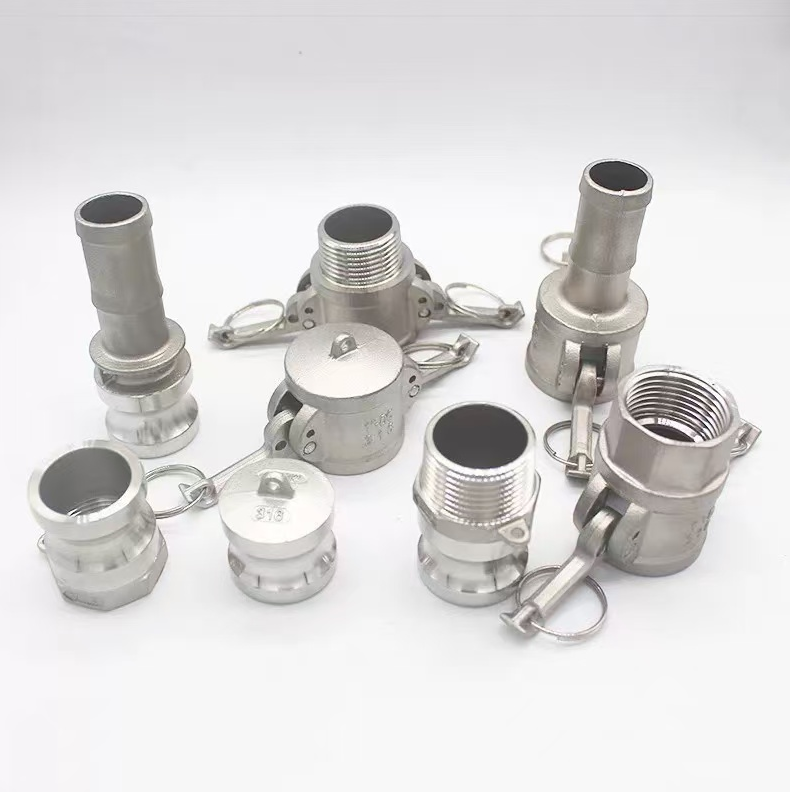
Fire protection equipment operates in demanding environments where repeated handling, water pressure changes, and outdoor exposure create mechanical stress. The durability of every component contributes to the reliability of the complete system. An Instantaneous Fire Coupling is designed to provide rapid hose connections while maintaining structural integrity during repeated use. Found in firefighting equipment, industrial water systems, and emergency response networks, this coupling style combines standardized dimensions with practical engineering features that support long-term operation. BS336 configurations commonly use spring-loaded locking arms and universal coupling heads for compatibility across different assemblies.
Engineering Behind The Structure
The construction of an Instantaneous Fire Coupling balances strength with ease of handling.
A typical assembly consists of:
Male adaptor
Female adaptor
Spring-loaded catches
Seal ring
Locking groove
Hose tail or threaded connection
The female section locks onto the male groove using spring pressure, allowing operators to connect equipment with a simple push and disconnect using pull handles.
This arrangement reduces assembly time while providing mechanical security.
Mechanical Strength
Repeated connection cycles place stress on moving parts.
Engineers consider several factors during design:
Tensile strength
Impact resistance
Wear resistance
Fatigue performance
Corrosion protection
Surface hardness
Precision machining helps ensure that locking surfaces remain functional after frequent use.
Rounded edges reduce localized stress concentrations and minimize wear.
Material Options
Different environments require different materials.
Aluminum alloy provides:
Lower weight
Corrosion resistance
Easy handling
Good machining characteristics
Gunmetal and brass provide:
Resistance to seawater
Stable mechanical properties
Long service life
Good corrosion protection
Bronze alloys may also be selected for demanding industrial applications.
Material selection depends on water quality, environmental conditions, and maintenance schedules.
Pressure Capability
Pressure resistance remains a critical design factor.
Common performance ranges include:
Nominal working pressure:
10 to 16 bar
Hydrostatic testing:
Up to 24 bar
Nominal coupling head:
2.5 inches
Available hose tails:
1.5 inches to 3 inches
Standardized coupling dimensions simplify replacement and equipment compatibility.
Seal Performance
Leak prevention depends on several interacting components.
An Instantaneous Fire Coupling generally uses a tapered sealing arrangement inside the female fitting.
Water pressure helps energize the seal during operation, improving sealing effectiveness under working conditions. Correct installation direction supports this process.
Seal materials may include:
Synthetic rubber
Nitrile compounds
EPDM
Special water-resistant elastomers
Seal selection should consider operating temperature and water chemistry.
Resistance To Environmental Conditions
Outdoor installations face challenging conditions.
Potential hazards include:
Rain
Snow
Mud
Dust
Salt spray
UV exposure
Mechanical impacts
Chemical contamination
Protective coatings and corrosion-resistant materials help maintain appearance and functionality.
Routine cleaning removes debris that could interfere with locking action.
Hose Connection Stability
The coupling itself must remain securely attached to the hose.
Double rib hose tails create additional grip for mechanical fastening methods.
Common attachment techniques include:
Wire binding
Expansion rings
Compression sleeves
Mechanical clamps
Hydraulic crimping
The selected assembly method should match hose construction and operating pressure.
Inspection Routine
Preventive maintenance reduces unexpected equipment failures.
Inspection procedures may include:
Checking locking arms.
Inspecting springs.
Measuring wear.
Examining seals.
Looking for cracks.
Checking corrosion.
Testing release movement.
Verifying hose attachment.
Components showing excessive wear should be replaced before returning equipment to service.
Storage Practices
Proper storage helps preserve equipment condition.
Recommendations include:
Store in dry locations.
Avoid standing water.
Protect from direct sunlight.
Keep couplings clean.
Cover exposed sealing surfaces.
Prevent heavy impacts.
Maintain spare seals.
Rotate inventory where practical.
These simple practices can support longer service intervals.
Industrial Value
An Instantaneous Fire Coupling is useful across many sectors.
Applications include:
Municipal firefighting
Petrochemical plants
Mining facilities
Marine terminals
Manufacturing plants
Airports
Commercial buildings
Water distribution systems
Agricultural pumping
Emergency response vehicles
Standardized fittings simplify training, maintenance, and spare component management.
Conclusion
Durability depends on thoughtful engineering, suitable materials, and regular maintenance. An Instantaneous Fire Coupling combines quick operation with mechanical reliability through its locking mechanism, standardized dimensions, and practical sealing system. Careful material selection, proper installation, routine inspection, and suitable storage practices help maintain stable performance throughout the service life of firefighting and industrial water delivery equipment.

 English
 Arabic
 French
 Spanish
 Portuguese
 Deutsch
 Turkish
 Italiano
 Russian
 Romaian
 Portuguese (Brazil)
 Greek
Greek
