


How Long Does An IAC Valve Last?
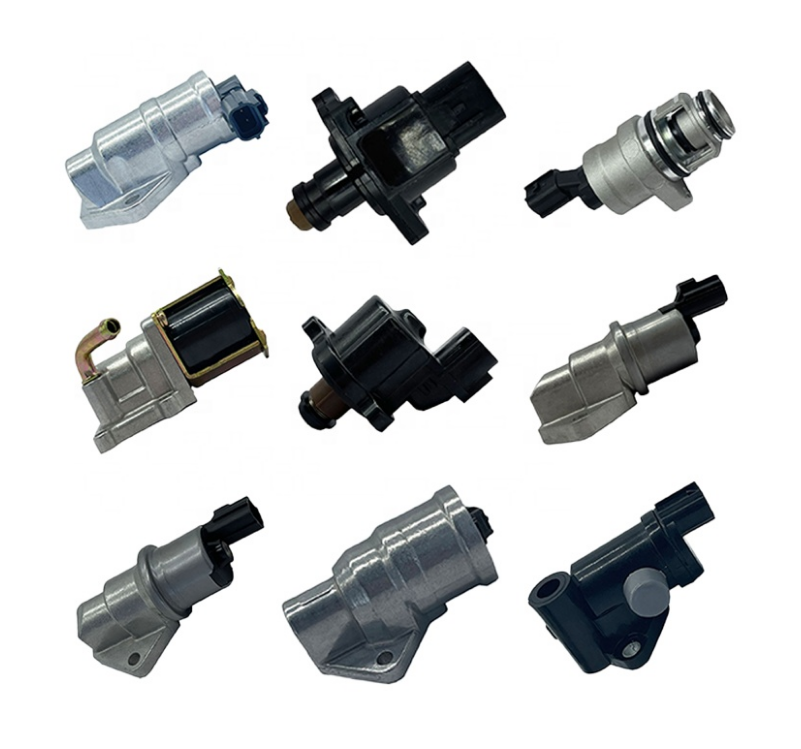
Vehicle owners often focus on major engine components while overlooking smaller control devices. The Idle Air Control Valve belongs to this category. Although compact in size, it plays an important role in maintaining engine idle speed and adapting to changing operating conditions. Understanding the factors behind valve failure can help reduce repair costs and improve engine performance.
The Idle Air Control Valve works with the engine control unit to regulate airflow around the closed throttle plate. During idle operation, the ECU monitors engine speed and sends commands to the valve actuator. Small airflow adjustments help maintain stable RPM under varying loads.
Several conditions can shorten the working life of this component.
Carbon contamination is one of the common causes. Air entering the intake system carries tiny particles of dust and oil vapor. Over time, these materials form deposits inside the bypass passage and around the valve pintle. Restricted movement reduces airflow accuracy and may create unstable idle conditions.
Electrical wear is another concern. Many valves use electromagnetic coils or stepper motors that operate repeatedly throughout vehicle operation. Heat cycles and vibration gradually affect insulation and internal components.
Typical technical characteristics include:
12V operating system.
Current draw between 0.5 and 1.5 amperes.
Operating temperature from -40°C to 125°C.
Multiple step positions for airflow adjustment.
Precision-machined valve seat.
Sealed electrical connector.
Environmental conditions also influence durability. High humidity, road salt, and engine compartment heat can affect connectors and housing materials. Protective coatings and sealed designs help reduce exposure to corrosion.
Many Idle Air Control Valve manufacturers invest significant effort in material engineering. Stainless steel valve shafts, anodized aluminum housings, high-temperature polymers, and wear-resistant seals improve product consistency.
Drivers often notice several warning signs before complete failure.
Idle speed may fluctuate unexpectedly.
Engine stalling can occur during traffic stops.
Cold starting may require additional cranking time.
Engine RPM may rise or fall without throttle input.
Accessory loads such as air conditioning may produce unstable idle.
Diagnostic trouble codes may appear, although mechanical sticking does not always trigger warning lights.
Preventive maintenance can reduce these issues.
Periodic throttle body cleaning removes carbon deposits.
Inspection of vacuum hoses prevents false air leaks.
Electrical connectors should remain dry and free from corrosion.
Air filters should be replaced according to maintenance schedules.
Engine oil leaks near intake components should be repaired.
Vehicle repair professionals often recommend checking related systems before replacing the valve itself. Mass airflow sensors, coolant temperature sensors, throttle position sensors, and intake manifold leaks can influence idle quality.
Manufacturing quality affects service life as well. Reliable Idle Air Control Valve manufacturers generally conduct several production inspections.
Dimensional measurement ensures proper fit.
Coil resistance testing verifies electrical consistency.
Leak testing checks airflow control accuracy.
Thermal cycling evaluates performance under changing temperatures.
Vibration testing simulates engine operating conditions.
Repeated actuation tests examine long-term durability.
Compatibility is equally important. An incorrectly matched valve may physically fit the throttle body but provide airflow characteristics different from engine calibration requirements. This mismatch can create rough idle or delayed response.
Storage conditions also deserve attention. Replacement valves should remain sealed until installation to prevent contamination. Gaskets and O-rings should be replaced during service to reduce the possibility of air leakage.
Automotive technology continues to evolve, yet many fuel-injected engines still rely on dedicated idle air control systems. Reliable airflow management remains necessary for smooth cold starts, accessory compensation, and stable engine operation.
Regular inspection and routine cleaning can help extend component life. Careful production methods and accurate calibration allow Idle Air Control Valve manufacturers to supply parts that meet the practical needs of repair shops, distributors, and vehicle owners. A properly maintained idle control system supports smoother engine performance and helps reduce unexpected idle-related problems during daily driving.

 English
 Arabic
 French
 Spanish
 Deutsch
 Turkish
 Dutch
Dutch
 Italiano
 Russian
 Romaian
 Portuguese (Brazil)
 Greek
Greek
