


Could Tri Laminate Conductive Black Polystyrene Cut Packaging Risks?
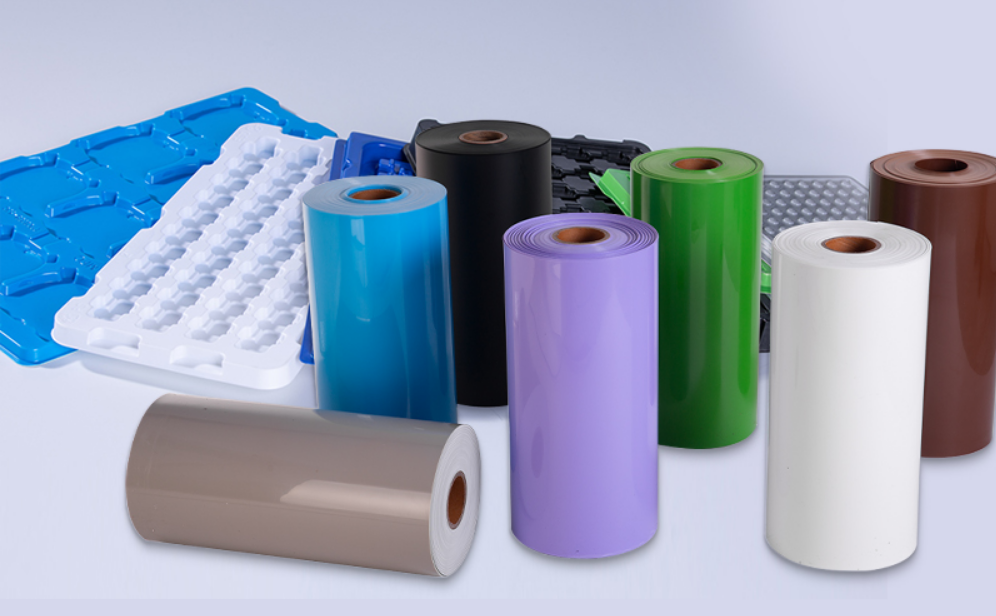
Modern supply chains move electronic products through multiple handling stages before they reach assembly plants or customers. Components may travel through automated warehouses, shipping centers, cleanrooms, and production lines. Static electricity generated during these movements can create hidden damage that becomes visible only after installation. Material engineers have developed packaging solutions that combine structural protection with electrostatic management, and tri laminate conductive black polystyrene has become one of the practical options for these environments.
Rather than relying on temporary antistatic sprays or coatings, a laminated conductive sheet integrates electrical properties into the material itself. Carbon black conductive networks distribute electrical charges while the laminate construction supports strength and processing stability. Conductive polystyrene products are widely used in thermoformed packaging because they combine stiffness, lightweight design, and permanent ESD characteristics.
Packaging Faces Multiple Challenges
A shipping tray must do more than hold products.
Packaging should:
Protect against static discharge.
Resist impact.
Maintain shape.
Allow repeated use.
Support automated handling.
Single-function materials may perform well in one category but struggle in another.
Tri laminate conductive black polystyrene addresses several requirements simultaneously by combining different functional layers.
Electrical Protection During Transportation
Static electricity develops through ordinary contact and separation.
Examples include:
Plastic conveyor belts.
Cardboard boxes.
Robotic pick-and-place systems.
Human handling.
Vehicle vibration.
Conductive packaging gradually transfers accumulated electrical charges, reducing the chance of sudden discharge.
Typical conductive or dissipative ranges include:
10⁴ Ω to 10⁸ Ω surface resistance.
Volume conductive grades can reach values at or below 10⁴ Ω.
These characteristics are maintained through conductive fillers rather than temporary additives.
Structural Design Supports Automation
Automated manufacturing requires consistent packaging dimensions.
Thermoformed trays made from laminated conductive polystyrene can include:
Precision pockets.
Alignment ribs.
Stackable edges.
Robotic gripping points.
Barcode locations.
Sheet thickness may vary from approximately 0.5 mm to 3 mm according to product size and load requirements.
Weight Reduction Benefits Logistics
Heavy packaging increases transportation costs.
Polystyrene offers:
Low density.
Good rigidity.
Stable dimensions.
Easy forming.
Reducing packaging weight may lower freight expenses while maintaining adequate protection for delicate products.
Reusable trays also reduce disposable packaging consumption.
Surface Characteristics Matter
Electronic assemblies often contain polished surfaces or delicate connectors.
Surface quality can influence handling safety.
Possible surface options include:
Smooth finish.
Fine texture.
Matte appearance.
Embossed patterns.
Proper surface design reduces sliding during transportation while supporting automated stacking systems.
Manufacturing Efficiency
Packaging suppliers often process laminated conductive sheets through standard thermoforming equipment.
Production steps may include:
Sheet extrusion.
Heating.
Vacuum forming.
Cooling.
Trimming.
Inspection.
Additional operations:
Hole punching.
Edge finishing.
Printing.
Assembly.
Good forming characteristics help maintain dimensional consistency across production batches.
Chemical Stability
Packaging materials may contact oils, cleaning agents, and industrial environments.
Conductive black polystyrene offers reasonable resistance to many ordinary industrial conditions while maintaining its structural integrity under typical handling situations.
Material selection should still consider exposure to aggressive solvents or elevated temperatures beyond recommended processing ranges.
Industry Applications Continue Expanding
Several sectors benefit from conductive packaging.
Semiconductor manufacturing:
Wafer carriers and component trays.
Consumer electronics:
Connector packaging and PCB handling.
Medical technology:
Sensitive electronic instruments.
Automotive electronics:
Sensor transport systems.
Industrial controls:
Relay and switch packaging.
Renewable energy:
Battery component handling.
Each application values reliable ESD control together with mechanical protection.
Quality Control During Production
Packaging manufacturers often monitor:
Sheet thickness.
Surface resistance.
Volume resistance.
Flatness.
Impact performance.
Thermoforming accuracy.
Visual appearance.
Electrical testing confirms that conductivity remains within target specifications before products enter service.
Long-Term Value
A packaging material should remain functional after repeated use.
Tri laminate conductive black polystyrene combines several practical characteristics:
Permanent conductive pathways.
Lightweight structure.
Thermoforming flexibility.
Mechanical support.
Reusable design potential.
As electronic products become increasingly sensitive to electrostatic discharge, packaging materials must provide reliable protection throughout manufacturing and logistics operations. Laminated conductive polystyrene offers a balanced approach by integrating electrical control and structural performance into a single engineered material, making it suitable for modern industrial packaging systems.

 English
 Arabic
 French
 Spanish
 Portuguese
 Deutsch
 Turkish
 Dutch
Dutch
 Russian
 Romaian
 Portuguese (Brazil)
 Greek
Greek
