


Perfume Label Printing Guide for Fragrance Brands
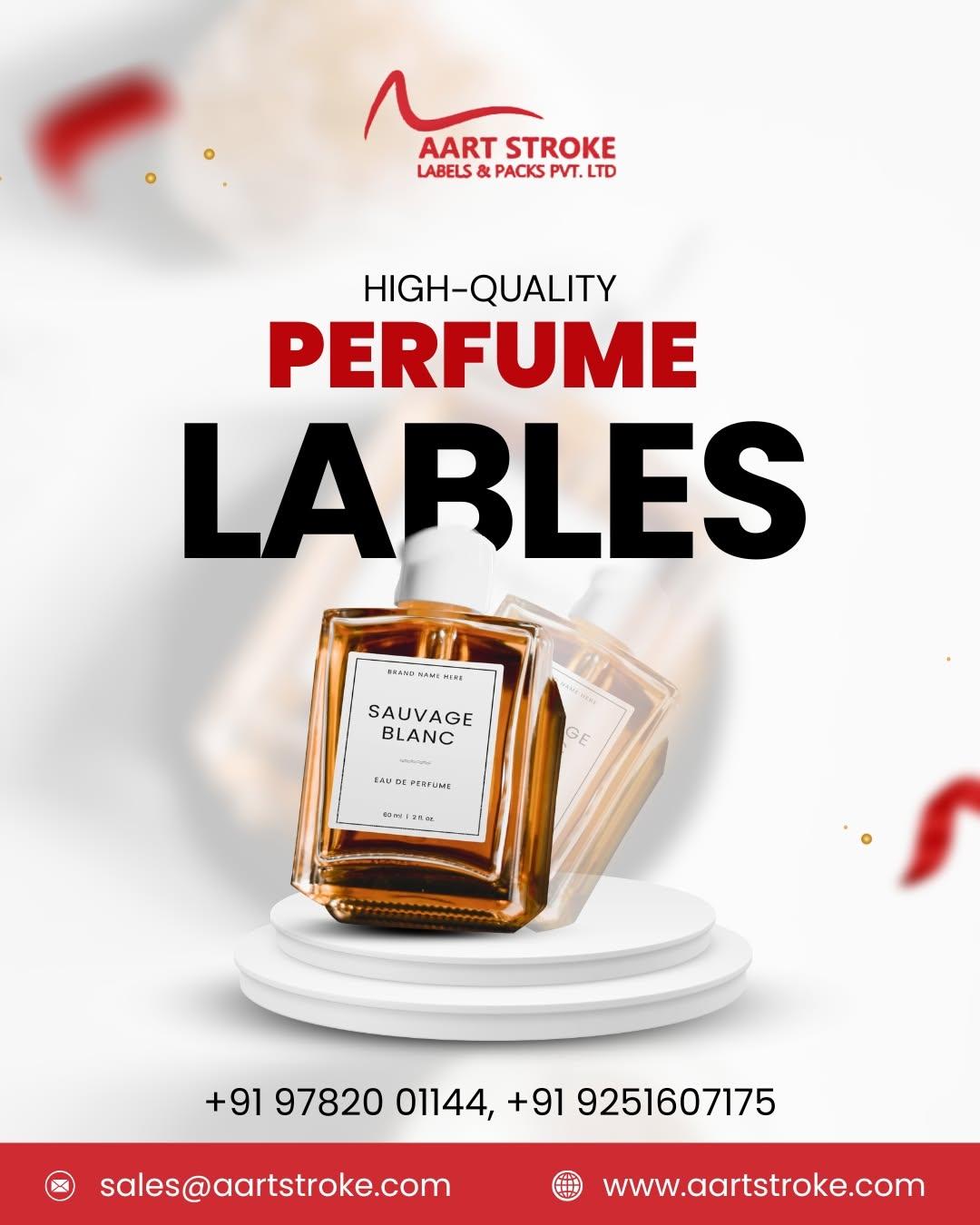
Imagine spending months crafting the perfect fragrance. You source rare ingredients, fine-tune the formula through countless rounds of testing, and finally bottle something you are genuinely proud of. Then you apply a label that looks like it was printed on a home inkjet printer at midnight. That fragrance, no matter how extraordinary it smells, now struggles to earn shelf space, attract buyers, or justify its price point.
This scenario plays out more often than most people in the fragrance industry want to admit. Founders and brand owners focus heavily on the scent itself and treat the label as an afterthought. But in a retail environment where a customer's eyes make the first decision, the label is doing more work than almost anything else. According to research from Nielsen, packaging design influences the purchase decisions of around 72% of consumers. A separate report from Ipsos found that thoughtful, premium packaging can raise a product's perceived value by up to 45%.
That means your label is not decoration. It is a business asset.
At Aart Stroke, we work with fragrance entrepreneurs, boutique perfume houses, and established brands to help them understand that perfume label printing is a craft, not just a transaction. This guest post breaks down what you actually need to know to make your labels work as hard as your fragrance does.
The Psychology Behind What Your Label Communicates
Before you think about materials or finishes, it helps to understand what your label is actually saying to a customer who picks up your bottle.
Every visual choice carries a psychological message. The weight of the label stock, the smoothness or texture of the finish, the way light reflects off the surface, the sharpness of the typography, all of these combine to tell a story before a single word is read. Consumers do not consciously process these signals. They simply feel them. A heavy, well-printed label with a refined finish feels expensive. A thin, slightly blurry label with off-register colors feels cheap, even if the fragrance inside is outstanding.
This is why serious fragrance brands treat perfume label printing as an investment rather than a cost. The return on that investment shows up in the purchase decision, the perceived value of the product, and the customer's willingness to pay a premium price.
Color psychology plays a significant role here too. Research consistently shows that consumers associate specific colors with specific emotions and product qualities. Deep navy and charcoal suggest sophistication and masculine strength. Ivory, cream, and champagne tones evoke heritage and timeless elegance. Bright coral or vivid lavender signal freshness and youthful energy. Rich jewel tones like amethyst, emerald, or sapphire communicate indulgence and rarity. Choosing your label's color palette without thinking through what those colors are actually saying to your target customer is one of the most common branding mistakes in the fragrance category.
What Makes Perfume Bottle Sticker Printing Different from Other Product Labels
Not all product labels face the same challenges. Perfume bottle labels have a particularly demanding set of requirements that set them apart from labels used in most other industries.
Curved surfaces are the first challenge. Most perfume bottles are made of glass and feature curves, tapers, or irregular shapes. A label that works perfectly on a flat surface may wrinkle, lift at the edges, or develop air bubbles when applied to a curved glass bottle. Perfume bottle sticker printing requires specific materials with the right level of flexibility and conformability to wrap cleanly around those surfaces without any distortion.
Exposure to fragrance oils is the second challenge. Perfume itself is the enemy of a weak label. The oils in the fragrance, combined with handling and environmental humidity, can cause poorly chosen adhesives to fail, inks to bleed, and label materials to deteriorate. Labels for perfume bottles need to be specifically formulated to resist oil and alcohol exposure.
High handling frequency is the third challenge. A perfume bottle is picked up, set down, moved from dresser to bathroom to handbag, and handled every single day. That daily contact puts physical stress on the label that most other product packaging never experiences. The adhesive needs to be strong enough to hold permanently through constant use without leaving residue if it does eventually need to be removed.
Luxury expectation is the fourth challenge. Customers purchasing a fragrance, even at the mid-range price point, carry an expectation of quality that is higher than for most consumer goods. A peeling corner, a smudged edge, or a faded finish damages not just the label but the entire brand perception.
Getting all four of these right requires working with a printer who understands the specific demands of the fragrance category, not just a general commercial printer who offers labels as one of dozens of product lines.
Label Materials: A Practical Breakdown
Choosing the right substrate for your perfume bottle sticker printing is one of the most consequential decisions in the entire production process. Here is a straightforward guide to the most commonly used materials and when each one makes sense.
Cast Coated Paper
This is the traditional label material that established fragrance houses have used for decades. Cast coated paper has a smooth, bright surface that accepts ink beautifully and reproduces fine detail with exceptional clarity. It gives labels a classic, refined appearance that works particularly well for heritage-positioned or luxury fragrance brands. The main limitation is moisture sensitivity, which can be addressed through lamination but adds cost. For dry environments and display contexts, cast coated paper remains a premium choice.
Polypropylene Film (BOPP)
Biaxially Oriented Polypropylene is the material most commonly recommended for fragrance labels that need to survive real-world conditions. It is waterproof, resistant to fragrance oils and alcohol, flexible enough to conform to curved bottle surfaces, and available in both clear and white variants. Clear BOPP creates a no-label look where only the printed elements appear to float directly on the glass, an effect that looks particularly striking on bottles with unusual glass colors or embossed textures. White BOPP provides a clean, opaque base for bold graphics and solid color blocks.
Polyester (PET)
Polyester label stock is dimensionally stable, meaning it does not stretch or shrink with temperature changes. It is the most durable synthetic material option and performs exceptionally well in high-humidity environments. PET labels maintain their flat, precise edge cut without the slight waviness that thinner materials can sometimes show. For fragrance brands positioned in the ultra-luxury or professional sector, polyester offers a premium feel that justifies its higher cost.
Textured and Specialty Papers
For brands whose identity is built around natural, artisanal, or heritage values, textured specialty papers open up a different range of aesthetic possibilities. Laid finish, ribbed, cotton fiber, and linen-effect papers all create a tactile quality that communicates hand-crafted attention to detail. These materials photograph beautifully for social media and create a very different shelf presence from the high-gloss options that dominate most retail environments. Durability needs to be managed carefully with textured papers, but the right lamination treatment can make them robust enough for normal perfume bottle use.
Printing Technologies Explained Simply
The method used to print your labels affects cost, minimum order quantities, color reproduction, and the range of finishes available. Understanding the differences helps you make the right choice at each stage of your brand's growth.
Digital Label Printing
Digital printing transfers artwork directly from a computer file to the label material without the need for printing plates or screens. The setup cost is minimal, which makes it genuinely practical for small production runs, test batches, and limited edition releases. Color reproduction is highly accurate, and the technology handles complex gradients and photographic imagery well. For a new fragrance brand producing its first few hundred bottles, digital printing is usually the most practical and cost-efficient entry point. The per-unit cost is higher than volume printing methods, but that tradeoff is worthwhile when you need flexibility and the ability to update your design without significant financial risk.
Flexographic Printing
Flexographic printing uses flexible relief plates and fast-drying inks to produce labels at high speed and high volume. As order quantities increase, the per-unit cost drops substantially, making flexo the standard choice for established brands producing tens of thousands of labels per run. The technology handles most standard design requirements well and supports a wide range of finishing options. Setup costs for plates are a barrier at low volumes but become negligible when spread across a large print run.
Letterpress and Hot Foil Printing
These older, craft-based printing methods have experienced a significant revival in the premium fragrance segment. Letterpress creates a subtle impression in the label stock that is deeply tactile and communicates artisanal care. Hot foil stamping applies metallic foil in precise patterns using heat and pressure, creating a brilliant metallic element that no ink-based process can replicate. Both methods are typically combined with digital or offset base printing to produce labels that combine technical precision with a handcrafted character. For niche and independent fragrance brands competing on uniqueness, these methods offer a strong point of differentiation.
Finishing Options That Change How Your Label Is Perceived
The finish applied to a label after printing has an enormous impact on how it reads on shelf and how it feels in hand. These are not cosmetic extras. They are strategic choices that shape customer perception.
Matte Lamination
A matte laminate gives a label a flat, non-reflective surface that reads as understated and confident. It is the finishing choice most associated with contemporary luxury in the fragrance category. Many of the most prestigious niche perfume houses use matte lamination precisely because it does not compete for attention. It lets the design speak quietly rather than loudly, which is often a more sophisticated approach than a high-gloss finish.
Gloss Lamination
Gloss lamination intensifies color saturation and creates a vibrant, reflective surface that commands attention under retail lighting. It is well suited to brands with bold graphic identities, bright color palettes, or younger target audiences. It also provides strong protection against moisture and scratching, which makes it a practical as well as aesthetic choice for fragrance labels that will see heavy handling.
Soft Touch Coating
Soft touch or velvet lamination transforms the surface of a label into something that genuinely invites touch. The velvety, suede-like texture creates a physical sensation of luxury that is very difficult to achieve through any other finishing method. When a customer picks up a bottle with a soft touch label, the tactile signal alone communicates premium quality before they have even looked at the design in detail. For fragrance brands positioning themselves at the upper end of the market, soft touch coating is one of the most effective tools available.
Spot UV
Spot UV applies a glossy, transparent layer to selected areas of the label while leaving the rest with a matte or uncoated surface. The contrast between the shiny element and the surrounding flat area creates a visual highlight that draws the eye to specific parts of the design, typically the brand logo, the fragrance name, or a key graphic element. The effect is sophisticated and intentional, communicating a level of design investment that customers instinctively notice.
Foil Blocking
Foil blocking uses heat and pressure to stamp metallic foil directly onto the label surface. The result is a metallic element with a brightness and depth that ink cannot achieve. Gold and silver are the most commonly used foil colors, but copper, rose gold, and a range of specialty finishes including holographic and iridescent options are all available. A well-placed foil element on a fragrance label catches light in retail environments in a way that makes the bottle consistently eye-catching from a distance.
Embossing
Embossing raises a selected element of the label into a three-dimensional relief. The brand monogram, a signature motif, or a decorative border element can all be embossed to create a physical texture that reinforces the premium character of the product. Combined with foil blocking, embossing produces a result that borders on fine stationery in its level of craft and attention to detail.
The Social Media Factor: How Labels Drive Shareability
In 2025, a fragrance brand's label does not just have to perform in a retail store. It needs to perform on a smartphone screen.
Social media, particularly image and video-driven platforms, has made the visual presentation of perfume bottles one of the primary drivers of discovery for fragrance brands. A bottle that photographs beautifully, that has interesting reflections, a distinctive label shape, or a tactile finish that translates well to video, generates organic content that reaches potential customers who would never have encountered the brand through traditional retail.
This consideration should be part of the brief given to any printer working on perfume label printing for a brand with an active social media presence. Labels that catch light interestingly, that have a strong graphic contrast, or that feature a distinctive shape or texture tend to generate more engagement when photographed. Holographic finishes and spot UV elements both perform particularly well in video content because they create movement and visual interest as the bottle is turned or the light angle changes.
Personalization is another growing dimension here. Consumers increasingly seek fragrance products that feel personal and unique. On-demand digital printing makes it viable for brands to offer limited edition runs, personalized label variants, or seasonal design updates without the cost commitment of a large print run. This flexibility supports both direct-to-consumer sales strategies and the kind of special edition product releases that generate social media attention.
Building a Label Brief That Gets the Result You Need
One of the most preventable reasons that fragrance brands end up with labels that disappoint them is a poorly constructed brief given to the printer. Here is what a complete brief should include.
Start with your bottle specification: the exact dimensions, the material (glass type, surface texture, any coatings on the bottle itself), the shape profile, and the area available for the label. Include a physical sample of the bottle if possible.
Define the label size and shape, including whether you need a standard geometric shape or a custom die-cut silhouette. Confirm whether you need a single front label, a combination of front and back labels, or a wraparound design.
Specify your material preference and explain the environment the label will need to survive: humidity levels, handling frequency, exposure to oils or alcohol.
Include your full design file in print-ready format, preferably Adobe Illustrator or a high-resolution PDF, with bleed marks clearly indicated. Confirm color references using Pantone codes rather than screen color values to ensure accurate reproduction.
State your finishing requirements explicitly: lamination type, any spot UV or foil elements, embossing specifications, and whether a digital proof or physical sample press proof is required before the full run is approved.
Finally, be clear about your quantity, your deadline, and any packaging or delivery requirements for the finished labels.
A clear, complete brief is the single most effective thing you can do to ensure the final product matches your vision.
Final Thought
A fragrance brand that invests seriously in its scent but neglects its label is leaving a significant amount of value on the table. The label is the bridge between the perfume you have created and the customer who might fall in love with it. It speaks before you can, and in the few seconds a customer spends looking at a shelf, it either earns their curiosity or loses it.
Perfume label printing done well is not expensive relative to what it returns. It is one of the highest-leverage investments a fragrance brand can make. Done poorly, it quietly undermines everything else you have built.
Aart Stroke is here to make sure your label does its job with the same care and precision you brought to every other part of your fragrance.
Frequently Asked Questions
Q1. How is perfume bottle sticker printing different from standard product label printing?
Perfume bottle sticker printing has to solve challenges that most product labels do not face: curved glass surfaces, exposure to fragrance oils and alcohol, high daily handling frequency, and the elevated quality expectation that comes with a luxury or near-luxury product category. The materials, adhesives, and finishes used need to be specifically selected for these conditions rather than carried over from general product labeling.
Q2. What is the minimum order quantity for perfume label printing?
With digital printing, some suppliers offer no minimum order quantity, which makes it practical to produce as few as 50 to 100 labels for a test run or a very small initial batch. Flexographic and other high-volume printing methods typically require minimum runs of 1,000 or more labels to justify the setup cost of printing plates. The right choice depends on where your brand is in its development and how confident you are that your label design will remain unchanged.
Q3. How do I choose between a matte and a gloss finish for my fragrance label?
The decision should be driven by your brand positioning and target customer rather than personal preference. Matte finishes generally read as more sophisticated, understated, and premium, which suits brands positioned in the luxury or niche fragrance segment. Gloss finishes are bolder, more energetic, and visually vibrant, which suits brands with younger audiences or more graphic-driven identities. It is worth ordering samples of both on your chosen material before committing to a full production run.
Q4. Can I use the same label design on different bottle sizes within my fragrance range?
You can use the same design but you will need to resize it for each bottle format rather than scaling a single label across different sizes. Each bottle size will have a different usable label area, and a label designed for a 100ml bottle will not simply scale down to work well on a 30ml. Work with your printer and designer to create size-specific versions of the same label concept so that the visual impact remains consistent across your range.
Q5. How does Aart Stroke help fragrance brands with their perfume label printing?
Aart Stroke provides guidance and production support across the full label development process, from material selection and finish specification through to print-ready file preparation and production management. We work with fragrance brands at every stage of growth, from independent perfumers producing their first small batch to established brands refreshing their packaging for a new market. Our focus is on making sure the label you end up with genuinely reflects the quality and character of the fragrance it represents.

 Arabic
 French
 Spanish
 Portuguese
 Deutsch
 Turkish
 Dutch
Dutch
 Italiano
 Russian
 Romaian
 Portuguese (Brazil)
 Greek
Greek
