


Is Boiling Water Enough? You Need a Commercial Water Filter For Restaurant Use
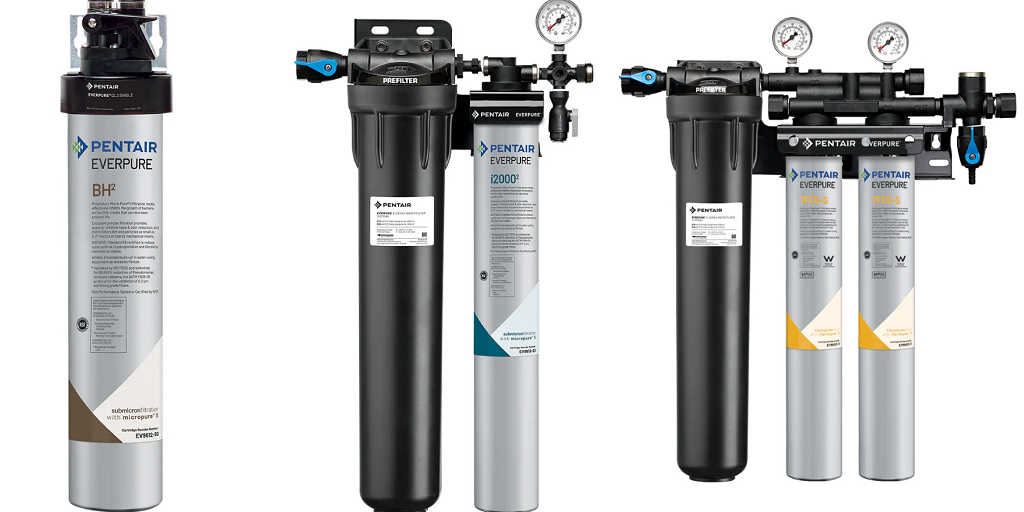
Water safety is a very important responsibility in any food service business. You need a commercial water filter for restaurant use, because the quality of your water affects everything from beverages and food preparation to ice production and equipment performance. Many operators and even clientele assume that boiling water is enough to make it safe. While boiling can kill many microorganisms, it does not remove other forms of contaminants that may still be present. A commercial water filter is an essential part of maintaining high standards for both safety and customer satisfaction.
Boiling and Purification
Boiling water has long been used as a simple method of disinfection. When water reaches a rolling boil, many harmful bacteria, viruses, and parasites are destroyed. This can help reduce the risk of waterborne illnesses during emergencies or when water quality is uncertain. But boiling only addresses biological contaminants. It does not remove many of the substances that can affect water quality in a commercial setting.
One serious concern is heavy metals. Lead, copper, arsenic, and other metals can enter water supplies through aging infrastructure, plumbing systems, or environmental sources. These contaminants do not disappear when water is boiled. In fact, because some of the water evaporates during boiling, the concentration of these substances can actually increase in the remaining water. A restaurant serving beverages, soups, sauces, or ice made from contaminated water may unknowingly expose customers to these unwanted materials.
Chemical contaminants could also remain even after boiling water. Pesticides from agricultural runoff, industrial chemicals, pharmaceutical residues, and PFAS (Per- and Polyfluoroalkyl Substances) compounds often survive the boiling process completely unchanged. These substances may be invisible, odorless, and tasteless, yet they remain in the water. For a commercial kitchen that uses large volumes of water every day, relying on boiling alone leaves these contaminants untouched.
Presentation Alone Isn't Enough
Many restaurant owners also focus on taste and presentation. Chlorine may partially dissipate during boiling, but many of the compounds that affect flavor and odor remain. Water quality directly impacts coffee, tea, fountain drinks, soups, sauces, and ice. Even premium ingredients can be compromised by poor-quality water. Customers notice when beverages taste clean and refreshing, and they also notice when they do not.
Ice is also often viewed as a food product because customers consume it directly. If contaminants remain in the water used to create ice, those contaminants become part of the finished product. Clean-looking ice is not necessarily pure ice. Filtration helps ensure that water used for ice production meets higher quality standards.
Using a Commercial Water Filter For Restaurant Use is the Answer
A quality filtration system works differently from boiling. Instead of simply killing microorganisms, filtration physically removes many contaminants before the water reaches taps, beverage stations, or ice makers. Depending on the system, filtration can reduce sediment, chlorine, heavy metals, chemical compounds, and other unwanted substances. Advanced filtration technologies can also improve water clarity, taste, and consistency throughout the establishment.
Water filtration also helps protect expensive equipment. Mineral deposits, sediment, and other impurities can shorten the lifespan of coffee machines, steamers, dishwashers, and ice makers. Cleaner water often means fewer maintenance issues and more reliable performance over time.
Restaurants are judged on every detail, including the quality of the water they serve. Customers expect safe beverages, clear ice, and food prepared with clean ingredients. Boiling water may help during specific situations, but it is not a complete solution for modern commercial operations. Investing in a commercial water filter for restaurant use from efilters helps address contaminants that boiling leaves behind, supports food safety goals, improves taste, protects equipment, and gives customers confidence that every glass of water and every cube of ice meets the highest standards.
For More Information About Everpure Water Filtration Systems and Everpure H104 Please Visit: Efilters.

 English
 Arabic
 French
 Spanish
 Portuguese
 Deutsch
 Turkish
 Dutch
 Italiano
 Romaian
 Portuguese (Brazil)
 Greek