


The Hidden Risks of Global Sourcing and How Manufacturing Inspections Prevent Quality Failures
Introduction: The Challenges Behind Global Sourcing Success
Global sourcing has become an important strategy for businesses looking to expand production, reduce costs, and access specialized manufacturing capabilities. Companies now work with suppliers across different countries to create products faster and reach international customers.
While global sourcing offers many advantages, it also introduces hidden risks that businesses must carefully manage. A supplier may offer attractive prices and impressive samples, but the real manufacturing process may involve challenges that are not visible from the beginning.
Issues such as inconsistent quality, production delays, poor communication, and supplier limitations can create serious problems for businesses.
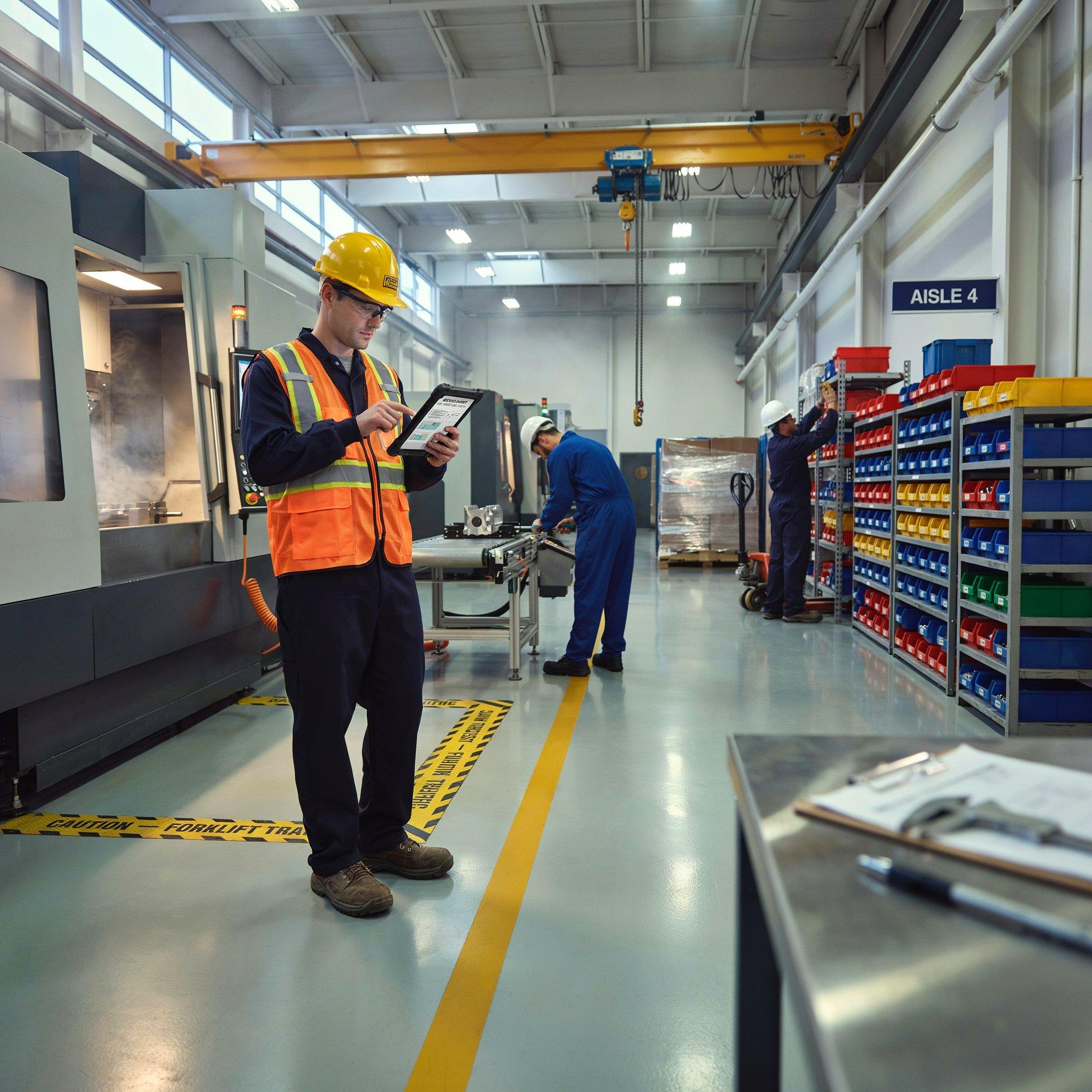
This is why Manufacturing Inspections have become a critical part of international sourcing. They help companies verify supplier capabilities, monitor production standards, and identify potential issues before products reach customers.
A successful sourcing strategy is not only about finding a supplier. It is about ensuring that the supplier can consistently deliver products that meet expectations.
Understanding the Hidden Risks of Global Sourcing
International manufacturing involves many moving parts. Buyers often work with factories located thousands of miles away, which makes direct visibility more difficult.
Without proper quality management, businesses may face unexpected problems that affect their operations.
Common global sourcing risks include:
-
Poor product quality
-
Supplier communication issues
-
Manufacturing delays
-
Incorrect materials
-
Compliance problems
-
Inconsistent production standards
-
Packaging mistakes
These challenges can become expensive if they are discovered after products have already been shipped.
The further products travel through the supply chain, the more difficult and costly corrections become.
Risk #1: Inconsistent Product Quality
One of the biggest concerns in global sourcing is receiving products that do not match approved samples.
A supplier may create a high-quality prototype, but maintaining the same standard during mass production can be challenging.
Quality variations can happen because of:
-
Different production methods
-
Changes in raw materials
-
Lack of worker training
-
Weak quality controls
-
Production pressure
For businesses selling branded products, inconsistent quality can damage customer trust.
A customer expects the same experience every time they purchase a product. When quality changes from one batch to another, it affects the entire brand reputation.
Risk #2: Communication Barriers With Suppliers
Communication is a major factor in successful international manufacturing.
Different languages, time zones, and business practices can create misunderstandings between buyers and suppliers.
These issues may result in:
-
Incorrect product specifications
-
Wrong packaging instructions
-
Missed deadlines
-
Production mistakes
Even a small misunderstanding can have a major impact when thousands of units are involved.
Businesses should create clear documentation, detailed product requirements, and regular communication processes to reduce confusion.
Risk #3: Limited Supplier Capabilities
Not every supplier has the same level of experience, equipment, or production capacity.
A manufacturer may accept an order without having enough resources to complete it properly.
This can lead to:
-
Delayed shipments
-
Reduced quality
-
Production errors
-
Poor customer experiences
Before choosing a supplier, businesses need to understand whether the factory can handle their requirements.
Important factors to evaluate include:
-
Manufacturing equipment
-
Production capacity
-
Workforce skills
-
Quality procedures
-
Previous experience
A supplier’s ability should always match the buyer’s expectations.
Risk #4: Material and Component Problems
The quality of materials directly affects the final product.
Using incorrect, low-quality, or unapproved materials can cause:
-
Product failures
-
Safety issues
-
Reduced durability
-
Customer complaints
Material problems may occur when suppliers:
-
Change materials without approval
-
Use different components
-
Store materials incorrectly
-
Work with unreliable sources
Controlling materials from the beginning of production helps prevent quality issues later.
Risk #5: Compliance and Regulatory Issues
Different markets have different product requirements.
A product that is acceptable in one region may not meet the regulations of another market.
Businesses may need to consider:
-
Safety standards
-
Industry requirements
-
Product labeling rules
-
Environmental regulations
Failure to meet these requirements can result in:
-
Shipment rejection
-
Legal issues
-
Additional costs
-
Loss of market opportunities
Quality verification helps businesses identify compliance concerns before products enter the supply chain.
How Inspections Reduce Global Sourcing Risks
Quality checks provide businesses with visibility into supplier operations.
They allow buyers to understand:
-
How products are being manufactured
-
Whether suppliers follow requirements
-
If production processes are reliable
-
Whether improvements are needed
These evaluations help prevent problems before they become larger issues.
Instead of discovering defects after delivery, companies can work with suppliers while solutions are still possible.
Different Stages of Manufacturing Quality Checks
Pre-Production Evaluation
Before manufacturing begins, businesses can confirm that suppliers are prepared.
This stage may include reviewing:
-
Raw materials
-
Production plans
-
Product specifications
-
Factory readiness
Pre-production checks help prevent mistakes before they enter the manufacturing process.
During Production Monitoring
Production-stage evaluations help identify problems while products are being created.
They can reveal:
-
Manufacturing errors
-
Process weaknesses
-
Quality inconsistencies
-
Production delays
Finding issues early reduces correction costs and prevents large-scale failures.
Final Product Verification
Before shipment, finished goods can be reviewed to confirm they meet requirements.
Final checks may include:
-
Product appearance
-
Function testing
-
Quantity verification
-
Packaging review
This gives businesses confidence before products leave the factory.
The Business Benefits of Better Quality Control
A strong quality strategy provides advantages beyond defect prevention.
Lower Operational Costs
Preventing problems reduces expenses related to:
-
Returns
-
Repairs
-
Replacements
-
Reproduction
Stronger Supplier Relationships
Clear expectations and regular evaluation encourage suppliers to improve performance.
Improved Customer Satisfaction
Reliable products create stronger customer loyalty and trust.
Better Business Decisions
Accurate information helps companies choose better suppliers and improve sourcing strategies.
Building a Reliable Global Sourcing Process
Successful sourcing requires planning and continuous improvement.
Businesses should focus on:
Selecting Suppliers Carefully
Supplier selection should consider:
-
Experience
-
Production capabilities
-
Quality systems
-
Reliability
Price should not be the only deciding factor.
Creating Clear Quality Standards
Manufacturers should receive detailed information about:
-
Product specifications
-
Materials
-
Packaging
-
Performance expectations
Clear standards reduce misunderstandings.
Monitoring Supplier Performance
Supplier relationships should be reviewed regularly.
Tracking performance helps businesses identify issues and encourage improvement.
The Future of Global Manufacturing Quality
As supply chains become more complex, quality management will become even more important.
Businesses are focusing on:
-
Greater transparency
-
Better supplier communication
-
Digital monitoring
-
Continuous improvement
Companies that manage quality effectively will be better prepared for global competition.
Quality is becoming a key factor that separates successful businesses from those facing constant production challenges.
Conclusion: Reducing Risk Through Better Quality Management
Global sourcing creates valuable opportunities, but it also requires careful risk management.
Manufacturing Inspections help businesses identify supplier weaknesses, prevent quality failures, and ensure products meet required standards before reaching customers.
They provide confidence by creating visibility throughout the manufacturing process.
A proactive approach allows businesses to avoid expensive mistakes, protect their reputation, and build stronger supply chains.
Companies that prioritize quality verification are better positioned to succeed in the competitive global marketplace.

 English
 Arabic
 French
 Spanish
 Portuguese
 Deutsch
 Turkish
 Dutch
Dutch
 Italiano
 Russian
 Romaian
 Greek
Greek
