


How Modern Orthopedic Care Is Helping People Stay Active Longer
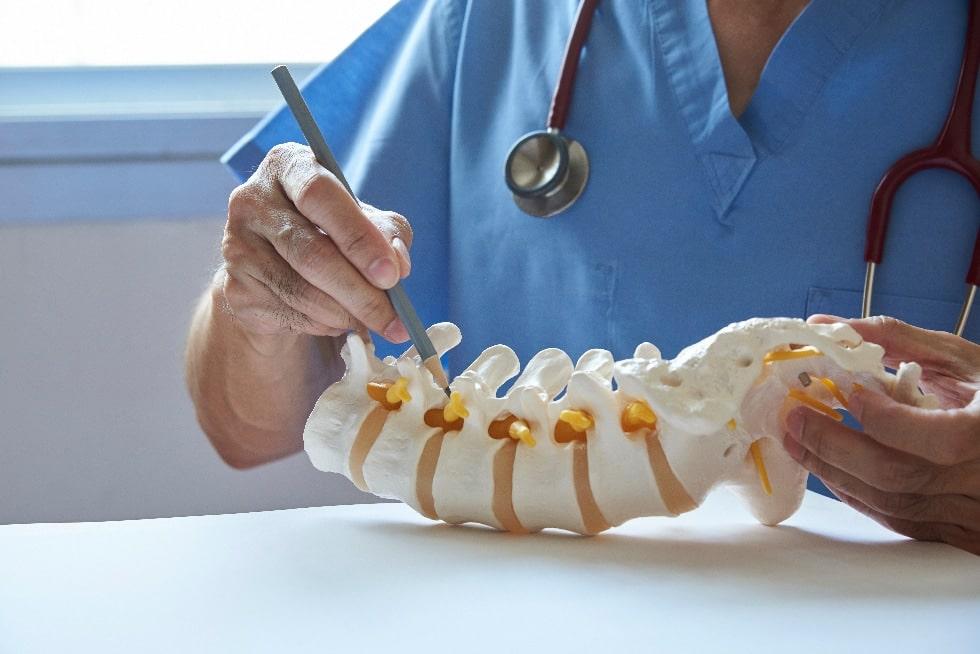
Maintaining mobility is one of the most important aspects of overall health and wellbeing. Whether someone enjoys sports, works in a physically demanding profession, or simply wants to remain independent as they age, healthy joints play a vital role in daily life. Unfortunately, musculoskeletal conditions continue to affect millions of people worldwide, leading to pain, stiffness, and limitations that interfere with normal activities.
Fortunately, advances in orthopedic medicine and regenerative healthcare are providing patients with more options than ever before. Today's treatment approaches focus not only on symptom management but also on supporting long-term function, recovery, and quality of life.
Understanding Joint Health
Joints are responsible for connecting bones and enabling movement throughout the body. Cartilage, tendons, ligaments, and muscles all contribute to proper joint function. When these structures become damaged through injury, overuse, or natural aging, discomfort often follows.
Joint pain can affect people of all ages. Athletes may experience sports-related injuries, while older adults commonly face age-related degeneration. Office workers can also develop musculoskeletal issues due to repetitive movements and prolonged sitting.
Regardless of the cause, addressing symptoms early often provides the best opportunity for maintaining long-term mobility.
The Growing Interest in Regenerative Medicine
In recent years, regenerative medicine has become an increasingly important area of orthopedic healthcare. These innovative approaches aim to support the body's natural healing processes and help patients recover more effectively.
One treatment that continues to attract attention is stem cell therapy. As scientific research advances, healthcare professionals continue exploring the potential role of regenerative techniques in supporting musculoskeletal health and improving patient outcomes.
Patients seeking alternatives to traditional treatment methods often explore regenerative medicine as part of a broader healthcare strategy focused on recovery and long-term wellness.
Knee Problems and Everyday Movement
The knee is one of the most frequently used joints in the body. It absorbs significant force during walking, running, climbing stairs, and athletic activities. Because of these demands, knee injuries and degenerative conditions are among the most common orthopedic concerns.
Many individuals seek KNEE JOINT TREATMENT when discomfort begins to interfere with daily life. Common causes of knee pain include ligament injuries, cartilage damage, osteoarthritis, and repetitive strain.
A comprehensive treatment plan may help patients improve mobility while supporting long-term joint function.
Supporting Healthy Hip Function
The hip joint is essential for balance, movement, and overall stability. Since it supports much of the body's weight, even minor issues can have a significant impact on mobility.
People experiencing persistent discomfort often investigate HIP JOINT TREATMENT options designed to improve comfort and maintain physical activity. Personalized care is important because treatment strategies should be tailored to each patient's specific condition and goals.
Strong hip function can contribute to better movement patterns and improved overall quality of life.
Shoulder Health and Physical Performance
The shoulder provides one of the greatest ranges of motion of any joint in the body. This flexibility allows individuals to perform countless daily activities but also increases susceptibility to injury.
Athletes, fitness enthusiasts, and workers who perform repetitive overhead movements often experience shoulder-related problems. Many seek SHOULDER AND ARM TREATMENT solutions that focus on restoring movement and improving function.
Early intervention and appropriate rehabilitation may help reduce downtime and support a successful recovery.
Hand and Wrist Conditions in Daily Life
Modern lifestyles place continuous demands on the hands and wrists. From typing on computers and smartphones to performing manual tasks, these structures are constantly active.
Over time, repetitive strain and overuse can contribute to discomfort and reduced function. Many individuals explore HAND AND WRIST TREATMENT options to improve flexibility, strength, and overall hand performance.
Maintaining proper ergonomics and addressing symptoms promptly can play an important role in long-term hand and wrist health.
Why Foot and Ankle Health Is Essential
The feet and ankles provide the foundation for movement. They absorb impact, maintain balance, and support body weight throughout daily activities.
Conditions affecting these structures can influence walking patterns and place additional stress on other joints. As a result, many people investigate FOOT AND ANKLE TREATMENT when mobility becomes limited or discomfort begins to affect daily life.
Proper foot and ankle function contributes to overall musculoskeletal health and helps support an active lifestyle.
Managing Elbow Problems Effectively
The elbow joint is involved in numerous daily movements, including lifting, carrying, gripping, and sports participation. Repetitive strain injuries and overuse conditions are common causes of elbow discomfort.
Individuals dealing with ongoing symptoms often seek TREATMENT OF THE ELBOW JOINT to improve movement and restore function. Professional assessment remains important for identifying underlying causes and developing an appropriate treatment plan.
Addressing elbow problems early can help prevent chronic limitations and improve overall recovery outcomes.
Building a Long-Term Joint Health Strategy
While medical treatment can be valuable, lifestyle choices also play a significant role in maintaining healthy joints. Regular exercise, proper nutrition, maintaining a healthy weight, and avoiding unnecessary strain can all contribute to better musculoskeletal health.
Combining healthy habits with professional guidance allows individuals to take a proactive approach toward preserving mobility and reducing the risk of future joint problems.
Conclusion
The future of orthopedic care continues to evolve as patients gain access to innovative treatment options and personalized healthcare strategies. Whether exploring stem cell therapy, seeking KNEE JOINT TREATMENT, considering HIP JOINT TREATMENT, evaluating SHOULDER AND ARM TREATMENT, researching HAND AND WRIST TREATMENT, learning about FOOT AND ANKLE TREATMENT, or investigating TREATMENT OF THE ELBOW JOINT, informed decision-making remains essential.
By understanding available options and working closely with qualified healthcare professionals, individuals can take meaningful steps toward maintaining mobility, supporting recovery, and enjoying a healthier, more active future.

 English
 Arabic
 Spanish
 Portuguese
 Deutsch
 Turkish
 Dutch
Dutch
 Italiano
 Russian
 Romaian
 Portuguese (Brazil)
 Greek
Greek
