


Complex PTSD and Long-Term Health: What Everyone Should Know
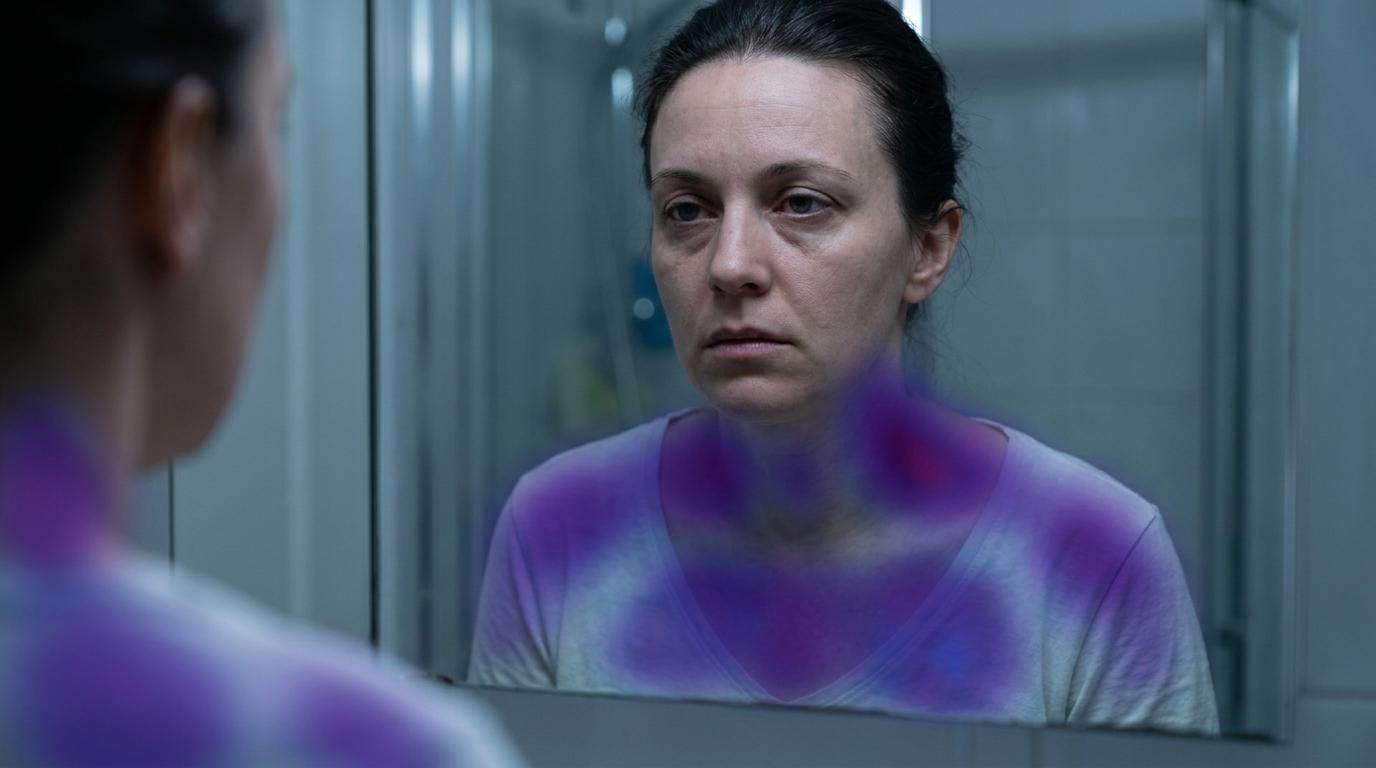
Complex Post-Traumatic Stress Disorder (C-PTSD) develops after prolonged or repeated exposure to traumatic experiences. Unlike PTSD, which often follows a single traumatic event, C-PTSD is commonly associated with ongoing situations such as childhood abuse, domestic violence, long-term neglect, human trafficking, or repeated exposure to violence.
While much of the discussion around C-PTSD focuses on emotional healing, researchers are also studying how long-term trauma may influence physical health. Many people wonder whether living with C-PTSD can affect life expectancy. Although there is no simple answer, understanding the relationship between trauma and overall health can help individuals make informed decisions about treatment and self-care.
Trauma Affects More Than Mental Health
Trauma doesn't only impact emotions; it can influence the entire body.
When someone experiences chronic stress over months or years, the body's stress-response system may remain activated for extended periods. This ongoing release of stress hormones can affect sleep, immune function, cardiovascular health, and digestive processes.
Some people living with C-PTSD may experience:
-
Chronic fatigue
-
Sleep disturbances
-
Digestive issues
-
Increased anxiety
-
Depression
-
Difficulty managing stress
-
Persistent muscle tension
These symptoms vary from person to person, and not everyone with C-PTSD will experience the same health challenges.
Can C-PTSD Affect Life Expectancy?
Researchers continue to investigate how prolonged trauma influences long-term health.
Current evidence suggests that chronic trauma and PTSD may contribute to biological changes associated with accelerated aging and an increased risk of certain chronic illnesses. However, this does not mean that C-PTSD determines how long someone will live. Many other factors, including access to healthcare, lifestyle, genetics, and treatment, play an important role.
The encouraging news is that effective treatment and healthy lifestyle changes may reduce many of the long-term effects associated with chronic stress.
Why Early Treatment Matters
Seeking support early can improve both emotional and physical well-being.
Treatment often includes:
-
Trauma-informed psychotherapy
-
Stress management techniques
-
Medication when appropriate
-
Healthy sleep habits
-
Regular physical activity
-
Building supportive relationships
These approaches not only help manage emotional symptoms but may also improve overall quality of life.
If you'd like a deeper explanation of current research, health considerations, and recovery strategies, this comprehensive guide on complex PTSD life expectancy explores the topic in greater detail while addressing common misconceptions.
Everyday Habits That Support Recovery
Healing from complex trauma usually happens gradually rather than all at once.
Many mental health professionals encourage individuals to focus on sustainable habits such as:
-
Maintaining a regular sleep schedule
-
Eating balanced meals
-
Limiting alcohol and substance use
-
Practicing mindfulness or relaxation exercises
-
Staying connected with trusted family members or friends
-
Attending therapy consistently
Even small improvements in daily routines can positively affect both mental and physical health over time.
The Importance of Social Support
Recovery rarely happens in isolation.
People who have supportive relationships often find it easier to manage stress and remain engaged in treatment. Whether support comes from family, close friends, peer groups, or mental health professionals, feeling understood can make a meaningful difference during recovery.
Building trust after prolonged trauma may take time, but healthy relationships are an important part of long-term healing.
Looking Beyond the Diagnosis
Receiving a diagnosis of C-PTSD does not define a person's future.
Many individuals successfully manage symptoms, develop healthier coping strategies, and build fulfilling lives with appropriate care. Recovery does not necessarily mean forgetting traumatic experiences; it often means learning new ways to respond to them while improving emotional resilience and overall well-being.
Progress may be gradual, but meaningful improvement is possible with consistent support and evidence-based treatment.
Conclusion
Complex PTSD is a serious mental health condition that can influence both emotional and physical health. Although researchers continue to study its relationship with long-term health outcomes, there is no evidence that a diagnosis alone determines life expectancy. Instead, long-term wellness is shaped by many factors, including access to treatment, healthy lifestyle choices, supportive relationships, and ongoing medical care.
By recognizing symptoms early, seeking professional help, and prioritizing both mental and physical health, individuals living with C-PTSD can take important steps toward recovery and a healthier future.

 Arabic
 French
 Spanish
 Portuguese
 Deutsch
 Turkish
 Dutch
Dutch
 Italiano
 Russian
 Romaian
 Portuguese (Brazil)
 Greek
Greek
