


Kunliwelding Solutions for Subzero Welding Challenges
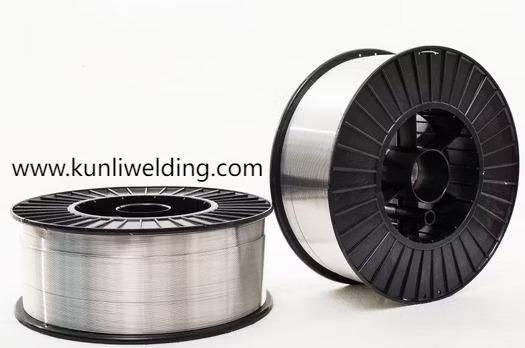
When temperatures plunge far below the freezing point of water, materials behave in ways that surprise even experienced fabricators and engineers. The challenge of working with metals in cryogenic conditions demands careful selection of components that maintain their essential properties despite the harsh environment. Aluminum Welding Wire ER5183 has emerged as a reliable choice for applications requiring resilience at extremely low temperatures, but understanding why this particular alloy succeeds where others fail requires examining the fundamental nature of metal behavior in cold conditions.
What Happens to Metals at Subzero Temperatures
Most materials contract as they cool, and metals follow this pattern with varying degrees of intensity. This contraction affects more than just dimensions. The atomic structure of metals becomes less flexible as thermal energy decreases, which can lead to brittleness in many common alloys. Welds that appear sound at room temperature may develop cracks or fractures when subjected to the thermal stress of rapid cooling or prolonged exposure to freezing conditions.
The crystal structure within metallic materials determines how they respond to temperature changes. Face centered cubic structures, which characterize certain aluminum alloys, tend to maintain their ductility even as temperatures drop significantly. This structural advantage explains why some aluminum compositions continue performing reliably in environments where steel and other metals become dangerously brittle.
Why Material Selection Matters for Cold Applications
Industries that handle liquefied gases, operate refrigeration systems, or work in naturally cold climates cannot afford material failures. A crack in a storage tank or pipeline carrying cryogenic fluids creates immediate safety hazards and costly operational disruptions. The consequences extend beyond simple repair expenses, potentially affecting entire production schedules and supply chains.
Choosing appropriate filler materials for welding these critical structures requires understanding which alloys maintain their mechanical properties across the full range of operating temperatures. The magnesium content in certain aluminum alloys provides enhanced strength while preserving the low temperature ductility that prevents catastrophic failures. This balance between strength and flexibility becomes essential when materials must withstand both the stress of normal operations and the additional challenges of extreme cold.
How Aluminum Responds Differently Than Other Metals
Unlike iron based alloys that undergo ductile to brittle transition at specific temperature thresholds, aluminum alloys retain their fundamental toughness across a much wider temperature range. This characteristic makes aluminum compositions particularly valuable for cryogenic applications. The absence of a sharp transition point means that aluminum structures maintain predictable behavior even as temperatures fluctuate during operation.
The thermal conductivity of aluminum also plays a significant role in cryogenic performance. Rapid heat transfer helps equalize temperatures throughout a structure, reducing the localized thermal stresses that can initiate cracks in less conductive materials. This property becomes especially important in welded joints, where the heat affected zone represents a potential weak point in the overall structure.
Practical Considerations for Cold Environment Welding
Welding itself generates intense heat, creating dramatic temperature gradients within the workpiece. When the finished weldment must then operate at cryogenic temperatures, the material experiences significant thermal cycling. Filler materials must accommodate this stress without developing internal flaws that compromise the joint integrity.
The solidification characteristics of the weld pool influence the final microstructure and mechanical properties of the joint. Compositions that solidify with minimal segregation of alloying elements produce more homogeneous welds with consistent properties throughout. This uniformity becomes crucial when every portion of the weld must perform equally well under extreme thermal stress.
Proper welding technique combines with appropriate filler selection to achieve reliable results. Clean base materials, controlled heat input, and suitable shielding gas coverage all contribute to weld quality. However, even perfect technique cannot compensate for inappropriate filler material selection when the application demands cryogenic performance.
Understanding Magnesium's Role in Low Temperature Performance
Magnesium additions to aluminum alloys provide solid solution strengthening, increasing the overall strength of the material without sacrificing ductility. This alloying strategy proves particularly effective for applications requiring both structural integrity and resistance to brittle fracture. The magnesium content must be carefully balanced, as excessive amounts can lead to hot cracking during welding, while insufficient quantities fail to provide adequate strength.
The specific composition determines how the alloy responds to thermal cycling and mechanical stress. Formulations designed for cryogenic service incorporate magnesium levels that optimize the balance between weldability and service performance. This careful engineering allows the material to meet the demanding requirements of low temperature applications while remaining practical to use in production welding operations.
Applications Where Cold Performance Becomes Critical
Liquefied natural gas facilities require extensive networks of pipelines, storage tanks, and processing equipment that continuously operate at temperatures far below zero. The materials used in these systems must maintain structural integrity year after year without developing the fatigue cracks or brittle fractures that would compromise safety and efficiency.
Aerospace applications present similar challenges, with fuel tanks and structural components experiencing rapid temperature changes during flight. The materials must accommodate these thermal cycles without degradation, maintaining their protective function throughout the vehicle's service life. Marine vessels operating in polar regions face comparable demands, requiring hull materials and welded joints that resist the embrittlement effects of icy seawater.
Chemical processing facilities that handle refrigerated gases or produce cryogenic products depend on reliable containment systems. The consequences of material failure in these environments extend beyond simple economic losses, potentially creating environmental hazards and safety risks for personnel. Material selection becomes a critical factor in facility design and long term operational success.
Evaluating Joint Performance in Service Conditions
The true test of any welding filler material comes during actual service rather than in controlled laboratory conditions. Welds must withstand not only the design temperature extremes but also the cumulative effects of repeated thermal cycling, mechanical loading, and exposure to process chemicals or environmental conditions. A material that appears adequate based on single test results may prove inadequate when subjected to the complex stresses of real world operation.
Long term performance depends on the material's resistance to common failure mechanisms including fatigue crack propagation, stress corrosion cracking, and gradual property degradation over time. Aluminum Welding Wire ER5183 demonstrates reliability in these areas through its stable microstructure and resistance to the environmental factors that challenge other materials. The alloy's proven track record in demanding applications provides confidence for designers and operators selecting materials for new cryogenic systems.
Matching Materials to Operating Environments
Every application presents unique requirements based on the specific temperatures encountered, mechanical loads imposed, and environmental conditions present. A thorough understanding of these factors guides appropriate material selection and welding procedure development. The flexibility to handle a wide range of conditions makes certain alloy compositions valuable across diverse industries and applications.
Proper documentation of welding procedures and material certifications ensures consistency across production runs and facilitates troubleshooting if service issues arise. This systematic approach to material management and quality control helps maintain the reliability that cryogenic applications demand. Working with experienced suppliers who understand these requirements provides valuable support throughout the material selection and implementation process.
For comprehensive information about aluminum welding solutions designed for demanding applications including cryogenic service, visit https://www.kunliwelding.com/ to explore available products and technical resources that support successful project completion across diverse industrial environments.

 English
 Arabic
 French
 Portuguese
 Deutsch
 Turkish
 Dutch
Dutch
 Italiano
 Russian
 Romaian
 Portuguese (Brazil)
 Greek
Greek
