


Cotton Fabric vs Linen Fabric: Which Is Better for Your Collection?
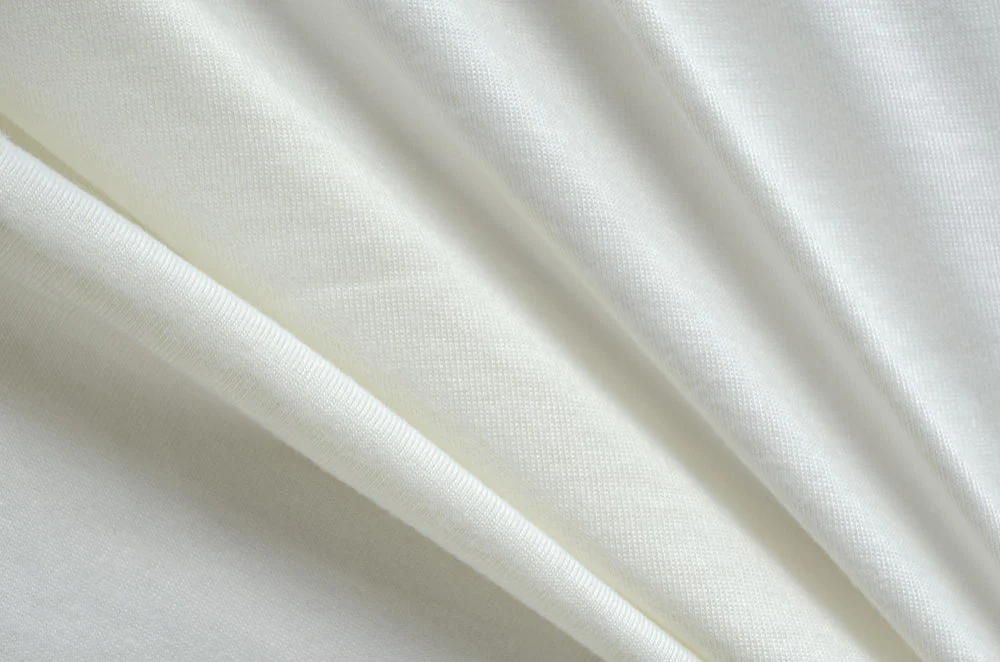
Cotton and linen are both strong, breathable natural fabrics—but they serve different purposes. Cotton offers softness, versatility, and lower costs, making it ideal for everyday wear. Linen delivers superior durability, thermoregulation, and eco-credentials, making it a go-to for summer and tailored collections.
Choosing the right fabric can make or break a collection. Cotton and linen are two of the most widely used natural fabrics in fashion—and for good reason. Both are breathable, absorbent, and versatile. But they come with distinct differences that matter when you're building a cohesive, purposeful line.
This post breaks down the key properties, advantages, and trade-offs of cotton and linen fabric, so you can make smarter sourcing decisions—whether you're designing casual basics or premium summer wear.
Cotton Fabric: What You Need to Know
How Cotton Is Sourced and Produced
Cotton comes from the seed fibers of the Gossypium plant, grown primarily in India, the United States, and China. After harvesting, the fibers are ginned, spun, and woven or knitted into fabric. It's one of the most widely produced natural fibers in the world, which directly impacts its availability and pricing.
Key Properties of Cotton Fabric
- Soft texture: Cotton is naturally soft against the skin, making it one of the most comfortable fabrics for everyday wear.
- Breathability: The open weave structure allows air circulation, keeping the body cool.
- High absorbency: Cotton absorbs moisture effectively, making it suitable for activewear and undergarments.
- Dye retention: Cotton holds color well, giving designers broad creative freedom.
Advantages of Cotton for Your Collection
Cotton fabric is cost-effective, widely available, and easy to work with. When you buy fabric online or source cotton fabric wholesale, you'll find it's one of the most affordable natural options on the market. It's also beginner-friendly in terms of cutting, sewing, and finishing.
Disadvantages of Cotton
- Prone to shrinking if not pre-washed
- Wrinkles easily, requiring more care
- Can develop mildew in humid storage conditions
- Less durable than linen over repeated washes
Best Uses in Fashion
Cotton fabric shines in:
- T-shirts and casual tops
- Denim and workwear
- Underwear and loungewear
- Activewear and athleisure
Linen Fabric: What You Need to Know
How Linen Is Sourced and Produced
Linen comes from the flax plant (Linum usitatissimum), grown mainly in Western Europe—particularly Belgium, France, and the Netherlands. The fibers are extracted through a process called retting, then spun and woven. Because flax requires fewer pesticides and less water than cotton, linen carries a stronger eco-friendly reputation.
Key Properties of Linen Fabric
- Strength: Linen fibers are significantly stronger than cotton, especially when wet.
- Breathability: Linen's loose weave structure makes it highly breathable—ideal for warm climates.
- Quick-drying: Linen releases moisture faster than cotton, keeping the wearer more comfortable in heat.
- Natural luster: Linen has a subtle sheen that gives garments a refined look without added finishes.
Advantages of Linen for Your Collection
Linen is hypoallergenic, naturally antibacterial, and thermoregulating—properties that justify its higher price point for premium collections. Its durability means garments last longer, which aligns well with slow fashion and sustainable design values. For designers building eco-conscious lines, linen is a strong contender.
Disadvantages of Linen
- Wrinkles heavily and requires careful pressing
- Less elastic, which can limit design flexibility
- Higher cost compared to most cotton fabric options
- Can feel stiff until broken in with repeated wear
Best Uses in Fashion
Linen works well for:
- Summer dresses, shirts, and trousers
- Tailored blazers and co-ord sets
- Accessories like scarves and tote bags
- Home textiles such as bedding and curtains
Cotton vs. Linen: A Side-by-Side Comparison
Comfort and Feel: Which Fabric Wins?
Cotton is softer out of the box. It feels gentle against the skin immediately, which is why it dominates casual and children's wear. Linen starts off slightly coarser but softens significantly with each wash. For long-term wearability, linen often ends up just as comfortable—if not more so.
Durability and Longevity
Both fabrics are durable, but linen has the edge here. Linen fibers are stronger than cotton fibers and resist wear better over time. For collections built to last, linen is the more reliable choice.
Breathability and Thermoregulation
Both fabrics breathe well. However, linen's superior moisture-wicking and quick-drying properties make it the preferred choice for hot and humid climates. If your collection targets summer or resort markets, linen should be on your radar.
Wrinkle Factor
Cotton wrinkles less than linen, making it easier to maintain. Linen wrinkles are part of its character—many designers and wearers embrace the relaxed, lived-in look. That said, for structured or tailored garments, cotton is easier to keep looking sharp.
Absorbency and Drying Time
Cotton absorbs more moisture, but linen dries faster. For sportswear and performance-focused collections, cotton's absorbency is useful. For travel or warm-weather wear, linen's quick-dry properties are a practical advantage.
Environmental Impact
Linen wins on sustainability. Flax plants require less water and fewer chemicals to grow compared to conventional cotton. However, organic cotton fabric narrows this gap considerably. If sustainability is a priority in your brand values, look for certified organic options for both fabrics.
Cost Comparison
Cotton fabric—especially when purchased as cotton fabric wholesale—is generally more affordable than linen. Linen commands a higher price due to its more labor-intensive production process. The cost difference varies by weight, weave, and finish, but budget-conscious collections typically lean on cotton as a foundation.
|
Feature |
Cotton |
Linen |
|---|---|---|
|
Softness |
High from the start |
Softens over time |
|
Durability |
Good |
Excellent |
|
Breathability |
Good |
Excellent |
|
Wrinkle Resistance |
Better |
Lower |
|
Eco-Friendliness |
Moderate (organic = better) |
High |
|
Cost |
Lower |
Higher |
Cotton-Linen Blends: The Best of Both?
Cotton-linen blends combine the softness of cotton with the strength and breathability of linen. These blends typically contain 45–55% of each fiber and are growing in popularity among designers who want the properties of both fabrics without the trade-offs of either.
Blends are particularly useful for tailored summer garments, where structure and comfort both matter. They also tend to wrinkle less than pure linen while maintaining better breathability than 100% cotton.
New fabric treatments—such as mercerization for cotton and enzyme washing for linen—further improve the performance and feel of both materials, expanding their applications in modern collections.
Where to Source Cotton and Linen Fabric
Sourcing quality fabric at the right price point is just as important as the design itself. Fabriclore Pvt Ltd is one of the leading fabric suppliers available both locally and online, offering a wide range of cotton fabric, linen, and blended options. Whether you're looking to buy fabric online in small quantities or source cotton fabric wholesale for a large production run, Fabriclore provides customized solutions at competitive pricing—trusted by 400+ private labels globally.
Choosing the Right Fabric for Your Collection
There's no single right answer between cotton and linen. The better choice depends on your collection's purpose, target market, and price positioning.
- Choose cotton for everyday basics, budget-friendly lines, or collections focused on softness and dye versatility.
- Choose linen for premium summer collections, sustainable fashion lines, or tailored garments where durability and breathability are priorities.
- Choose a blend when you need a balance of comfort, structure, and performance—especially for warm-weather tailoring.
Fabric selection is a foundational design decision. Getting it right means your garments perform as well as they look—and that's what keeps customers coming back.
Frequently Asked Questions
What is the main difference between cotton fabric and linen fabric?
Cotton is softer and more affordable, while linen is stronger, more breathable, and more eco-friendly. Cotton is better for everyday casual wear; linen excels in hot climates and premium summer collections.
Is linen more durable than cotton?
Yes. Linen fibers are stronger than cotton fibers and hold up better over time with repeated washing. For long-lasting garments, linen generally outperforms cotton.
Which fabric is better for summer collections—cotton or linen?
Linen is typically the better choice for summer collections. Its superior breathability, moisture-wicking properties, and quick-drying nature make it more comfortable in heat and humidity.
Where can I buy cotton fabric wholesale or online?
Fabriclore Pvt Ltd offers both local and online fabric sourcing, including cotton fabric wholesale options. They supply customized fabrics at competitive prices, with low minimum order quantities suitable for growing fashion brands.
Are cotton-linen blends worth using in a collection?
Yes. Cotton-linen blends offer improved softness over pure linen and better breathability than pure cotton. They're a practical choice for tailored summer garments and collections that require both comfort and structure.
Which fabric is more sustainable—cotton or linen?
Linen has a smaller environmental footprint due to lower water and pesticide requirements. Organic cotton reduces this gap, but conventional cotton is generally less eco-friendly than linen.

 English
 Arabic
 French
 Spanish
 Portuguese
 Deutsch
 Turkish
 Dutch
Dutch
 Italiano
 Russian
 Portuguese (Brazil)
 Greek
Greek
