


The Complete Guide to Understanding What White Gold Is Made Of and Why It Is So Popular
Beyond the Shine: Why This Precious Metal Continues to Win Hearts
Jewelry trends may come and go, but certain materials continue to stand the test of time. Among them, one bright, sophisticated metal has maintained its reputation for elegance, durability, and versatility. Its clean appearance complements everything from minimalist everyday accessories to luxurious engagement rings, making it a preferred option for people with different tastes and lifestyles.
Unlike traditional yellow gold, this brilliant metal offers a contemporary look that pairs beautifully with diamonds and colored gemstones alike. It provides the luxurious appeal of gold while delivering a sleek finish that suits modern fashion. As jewelry buyers become more informed about quality and long-term value, understanding the composition and characteristics of different precious metals has become increasingly important.
Whether you're selecting an engagement ring, upgrading your jewelry collection, or simply exploring different metal options, knowing how this material is created can help you make a confident decision. Beyond its attractive appearance, its unique blend of strength, durability, and style has made it one of the most sought-after choices in fine jewelry.
The Composition Behind Its Bright Appearance
Many people assume this precious metal exists naturally in the same form as yellow gold, but that's not the case. Pure gold is naturally yellow and relatively soft, making it unsuitable for everyday jewelry without additional strengthening.
To improve both durability and appearance, pure gold is carefully combined with selected white-colored metals through an alloying process. These additional metals not only enhance strength but also transform the naturally yellow color into a lighter shade with a refined finish.
Depending on the desired quality and characteristics, manufacturers may use metals such as palladium, silver, nickel, or zinc. Each alloy creates slightly different properties, including hardness, color tone, and resistance to scratches.
The purity level is usually expressed in karats, just like traditional gold. For example:
-
18K contains approximately 75% pure gold.
-
14K contains about 58.5% pure gold.
-
10K contains around 41.7% pure gold.
Higher-karat jewelry contains more gold and offers greater intrinsic value, while lower-karat options generally provide increased durability for daily wear.
Although the alloy itself appears lighter than yellow gold, most jewelry pieces receive an additional rhodium plating. This premium coating enhances brightness, improves scratch resistance, and gives the metal its signature mirror-like finish. Over time, regular wear may gradually reduce the rhodium layer, but professional replating can restore its original brilliance.
Why It Has Become a Favorite for Modern Jewelry
Popularity is rarely driven by appearance alone. This metal has earned widespread appreciation because it successfully balances beauty, practicality, and long-term performance.
One of its greatest advantages is versatility. Its neutral color complements virtually every gemstone. While diamonds appear exceptionally bright against its reflective surface, sapphires, emeralds, rubies, and other colorful stones also stand out beautifully.
Another reason many buyers choose this material is its contemporary aesthetic. The cool tone feels sophisticated without appearing overly flashy, making it suitable for both formal occasions and everyday wear.
Durability also plays an important role. Because of its alloy composition, it generally resists bending and everyday damage better than pure gold. Rings, bracelets, and necklaces made from this metal are designed to withstand years of regular use with proper care.
Fashion trends have also contributed to its popularity. Modern jewelry collections increasingly feature clean lines and minimalist designs, both of which pair naturally with lighter-colored precious metals. As a result, this option continues to remain relevant across changing styles and generations.
Understanding Its Strength, Maintenance, and Long-Term Value
Every precious metal requires some level of maintenance, and this one is no exception. Fortunately, caring for it is relatively straightforward.
Routine cleaning with mild soap, warm water, and a soft cloth is often enough to remove oils and everyday dirt. Gentle brushing can help clean intricate settings without damaging the surface.
Because of the protective rhodium coating, the jewelry maintains its brilliant shine for an extended period. However, depending on how frequently it is worn, this coating may eventually wear away. Replating restores the bright finish and helps preserve its elegant appearance for many more years.
Storage is equally important. Keeping jewelry in separate soft pouches or lined compartments helps minimize scratches caused by contact with harder metals or gemstones.
While discussing jewelry materials, many shoppers often read more about What Is White Gold Made Of before making a purchase. Understanding the alloy composition, purity levels, and protective finishes allows buyers to compare different options with greater confidence rather than relying solely on appearance.
In terms of investment, the value depends on several factors beyond gold content alone. Craftsmanship, gemstone quality, design complexity, brand reputation, and overall condition all contribute to the final worth of a jewelry piece.
For engagement rings and frequently worn accessories, many buyers appreciate the balance this material offers between luxury and everyday practicality.
Comparing It with Other Popular Precious Metals
Choosing the right metal often comes down to personal preference, budget, and lifestyle. Understanding the differences between commonly available options makes the selection process much easier.
Yellow gold remains a timeless classic. Its warm color has been admired for centuries and works especially well in vintage-inspired designs. However, its softer composition in higher karats may require slightly more care for pieces worn daily.
Rose gold has grown increasingly popular because of its romantic pink hue. The addition of copper creates both its distinctive color and increased durability. It appeals to those looking for something unique while maintaining the luxury associated with gold jewelry.
Platinum is another premium option frequently compared with this bright-colored metal. Platinum is naturally white and denser than gold, making it highly durable. It does not require rhodium plating, although it generally comes with a significantly higher price tag due to its rarity and weight.
Sterling silver offers an affordable alternative with a similar appearance. However, it tarnishes more easily and typically requires more frequent cleaning to maintain its shine.
Each metal offers unique advantages, and there is no universally perfect choice. The ideal selection depends on individual preferences, intended use, maintenance expectations, and available budget.
Choosing Quality Jewelry from a Trusted Source
Purchasing fine jewelry involves more than selecting an attractive design. Quality craftsmanship, ethical sourcing, and transparency all contribute to a satisfying buying experience.
Reputable jewelers clearly specify karat purity, alloy composition, certification details, and gemstone grading where applicable. This information helps buyers understand exactly what they are purchasing and ensures long-term confidence in their investment.
Attention to craftsmanship is equally important. Well-finished settings, secure prongs, balanced proportions, and carefully polished surfaces significantly improve both durability and visual appeal.
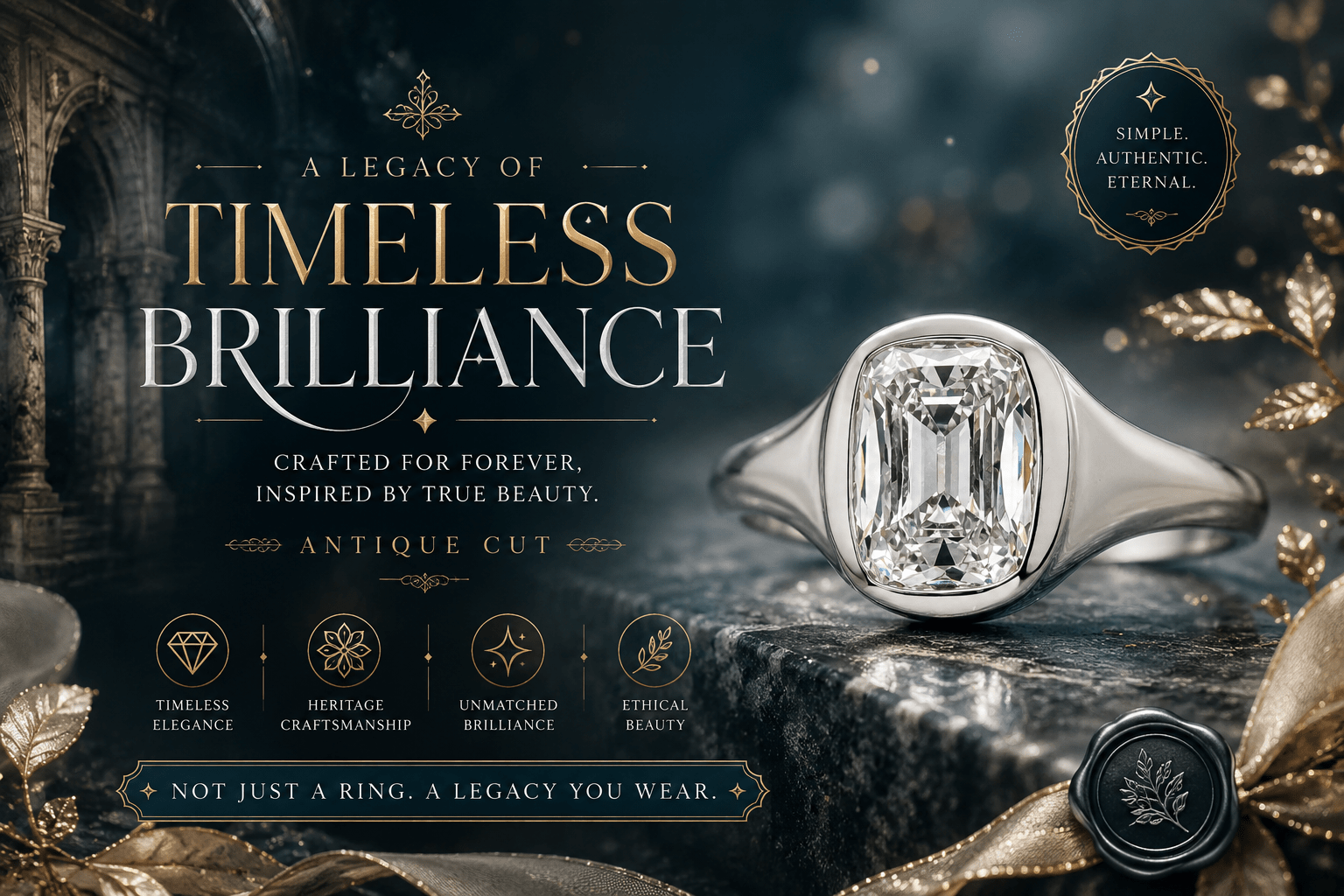
For those seeking beautifully crafted fine jewelry, Antiquecut emphasizes quality workmanship, carefully selected materials, and timeless designs that blend traditional artistry with modern elegance. Choosing a trusted jeweler ensures that every piece is created with attention to detail while maintaining high standards of authenticity and craftsmanship.
Conclusion
The enduring popularity of this bright precious metal comes from far more than its attractive appearance. Its carefully engineered alloy combines the beauty of gold with enhanced durability, making it suitable for everything from engagement rings to everyday jewelry. The addition of protective rhodium plating further enhances its shine while providing extra resistance to daily wear.
Its ability to complement nearly every gemstone, adapt to changing fashion trends, and deliver lasting elegance has helped maintain its position as one of the most desirable choices in fine jewelry. While every precious metal has its own strengths, this option offers an exceptional balance of sophistication, practicality, and long-term value.
Taking the time to understand how different jewelry metals are made allows buyers to make informed decisions based on quality rather than appearance alone. Whether purchasing a meaningful gift or investing in a timeless piece for yourself, selecting well-crafted jewelry ensures lasting beauty for years to come.

 English
 Arabic
 French
 Spanish
 Portuguese
 Turkish
 Dutch
Dutch
 Italiano
 Russian
 Romaian
 Portuguese (Brazil)
 Greek
Greek
