


Behind the Child's Smile: Pediatric Behavior Management in the Dental Chair
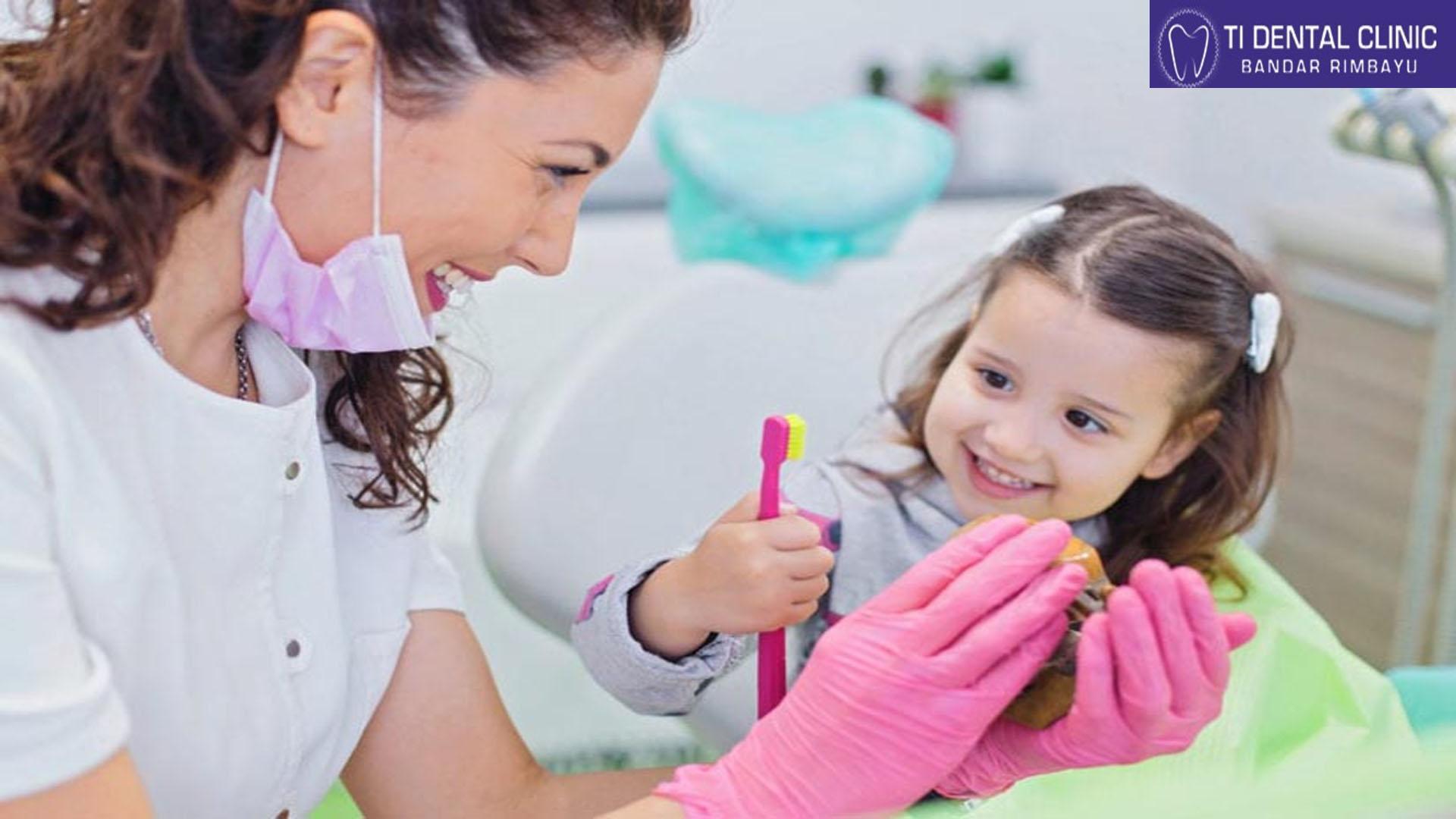
The Psychology of Pediatric Dental Anxiety
For a young child, a dental paediatrician can feel overwhelming. The sights, sounds, and sensations—the high-pitched hum of a dental handpiece, the bright overhead operating lamps, and unfamiliar adults placing metallic instruments into their mouth—can easily trigger a child's natural defense mechanism: the fight-or-flight response.
When a child screams, cries, or refuses to open their mouth in the chair, it is rarely an act of defiance. Instead, it is typically an expression of profound, unmanaged fear. Managing this anxiety is a core skill for pediatric dental specialists. This article explores the psychology of childhood dental fear, outlines the evidence-based behavior management techniques used by specialists, and explains the safe sedation options available to ensure a positive clinical outcome.
1. Deconstructing the Roots of Childhood Dental Fear
To effectively manage a child's fear, a pediatric dentist must first understand its source. Childhood anxiety in the dental setting typically stems from three distinct psychological triggers:
-
Fear of the Unknown: Children rely heavily on predictable routines to feel secure. Stepping into an unfamiliar clinical environment shatters that sense of predictability.
-
Perceived Loss of Control: Lying completely flat on a dental chair while an adult leans over them can make a child feel trapped and helpless.
-
Sensory Overload: The intense combination of bright lights, strong vibrations, and unusual chemical tastes can overwhelm a developing nervous system.
Additionally, children are highly perceptive and can easily pick up on transferred parental anxiety. If a parent regularly speaks about their own dental fears or uses threatening language (e.g., "If you don't brush, the dentist is going to stick a huge needle in your mouth"), the child internalizes that anxiety long before their appointment even begins.
2. Pharmacological Behavior Guidance: A Spectrum of Patient Safety
When non-pharmacological communication strategies (like the "Tell-Show-Do" method) are not enough to calm a highly anxious child, or when a patient needs extensive dental restorations, pediatric dentists can utilize a carefully calibrated spectrum of sedation techniques. These modalities are tailored to match the child's age, medical history, behavioral needs, and the complexity of the treatment.
[Level 1: Nitrous Oxide] -> [Level 2: Oral Conscious Sedation] -> [Level 3: General Anesthesia]
    (Mildly Anxiolytic,           (Drowsy, Diminished Reflexes,         (Unconscious, Hospital/Surgical
     100% Rapid Flush)             Requires Vital Monitoring)            Setting, Fully Monitored)
Modality 1: Nitrous Oxide / Oxygen Inhalation (Laughing Gas)
Nitrous oxide is the most common and mildest form of sedation used in pediatric dentistry. Administered through a small, scented nose mask, this gas blend induces a mild state of relaxation and euphoria while ensuring the child remains fully conscious, responsive, and capable of following simple directions.
-
Mechanism of Action: It raises the patient’s pain threshold and reduces an overactive gag reflex.
-
Safety Profile: Nitrous oxide is exceptionally safe because it does not bind to the bloodstream. Once the dental procedure is finished, the dentist switches off the nitrous oxide and administers 100% pure oxygen for five minutes. This completely flushes the gas from the child’s respiratory system, allowing them to leave the office with zero lingering side effects.
Modality 2: Oral Conscious Sedation (Minimal to Moderate Sedation)
For children with heightened anxiety or very young toddlers who require multiple fillings, oral conscious sedation may be recommended. This involves administering a liquid medication (such as midazolam or hydroxyzine) ahead of the procedure.
-
The Experience: The child becomes drowsy, relaxed, and less aware of the clinical surroundings, yet they remain awake and able to breathe on their own. It frequently produces an amnestic effect, meaning the child will likely have little to no memory of the actual procedure.
-
Safety Standards: This approach requires continuous physiological monitoring. The pediatric dental team attaches a pulse oximeter to track the child's heart rate and blood oxygen saturation levels, keeping a detailed log throughout the visit.
Modality 3: Deep Sedation and General Anesthesia
When a child has severe developmental delays, extreme dental phobias, or requires complex oral surgery (such as treating full-mouth rampant decay), general anesthesia is often the safest option. This treatment is performed either in a specialized surgical suite or a hospital operating room.
-
The Process: A board-certified anesthesiologist administers intravenous medications to place the child into a deep, controlled braces for kids. This completely eliminates any risk of movement during precise procedures and protects the child from psychological trauma.
-
Post-Operative Recovery: The child is monitored in a dedicated recovery room until the anesthesia fully wears off, ensuring a smooth, safe return to a normal, alert state.
3. The Power of "Peer Modeling" and Group Dynamics
A highly effective, non-chemical behavior modification tool leverages social learning theory through a process called peer modeling. Children learn a great deal by watching how their peers react to the world around them.
[Anxious Child Observes] ----> [Calm Older Sibling/Peer] ----> [Anxiety Levels Drop]
                               (Receives Positive Praise)      (Cooperates with Treatment)
By utilizing an open-treatment area for routine cleanings, pediatric practices allow anxious patients to observe older siblings or cooperative peers navigating their appointments successfully. When a fearful child watches another child laughing with the hygienist and picking out a prize from the toy chest, it challenges their fears and builds confidence. This social reassurance can often achieve cooperation where verbal explanations fall short.
4. How Parents Can Prepare Their Child at Home
A successful visit to a kids dentist begins well before you arrive at the clinic. Parents play a foundational role in shaping their child’s initial expectations and attitudes.
Conclusion: A Lifelong Gift of Confidence
Navigating pediatric behavior kids dentist requires a balance of psychology, clinical skill, and empathy. When a pediatric dentist successfully guides an anxious child through a treatment appointment, the benefit goes far beyond simply repairing a damaged tooth. The real achievement is helping the child realize they are strong enough to overcome their fears. This builds a foundation of confidence and trust that supports a lifetime of positive oral health habits

 English
 Arabic
 French
 Spanish
 Portuguese
 Deutsch
 Turkish
 Italiano
 Russian
 Romaian
 Portuguese (Brazil)
 Greek
Greek
