


Building Inspection: Complete Guide for Property Safety
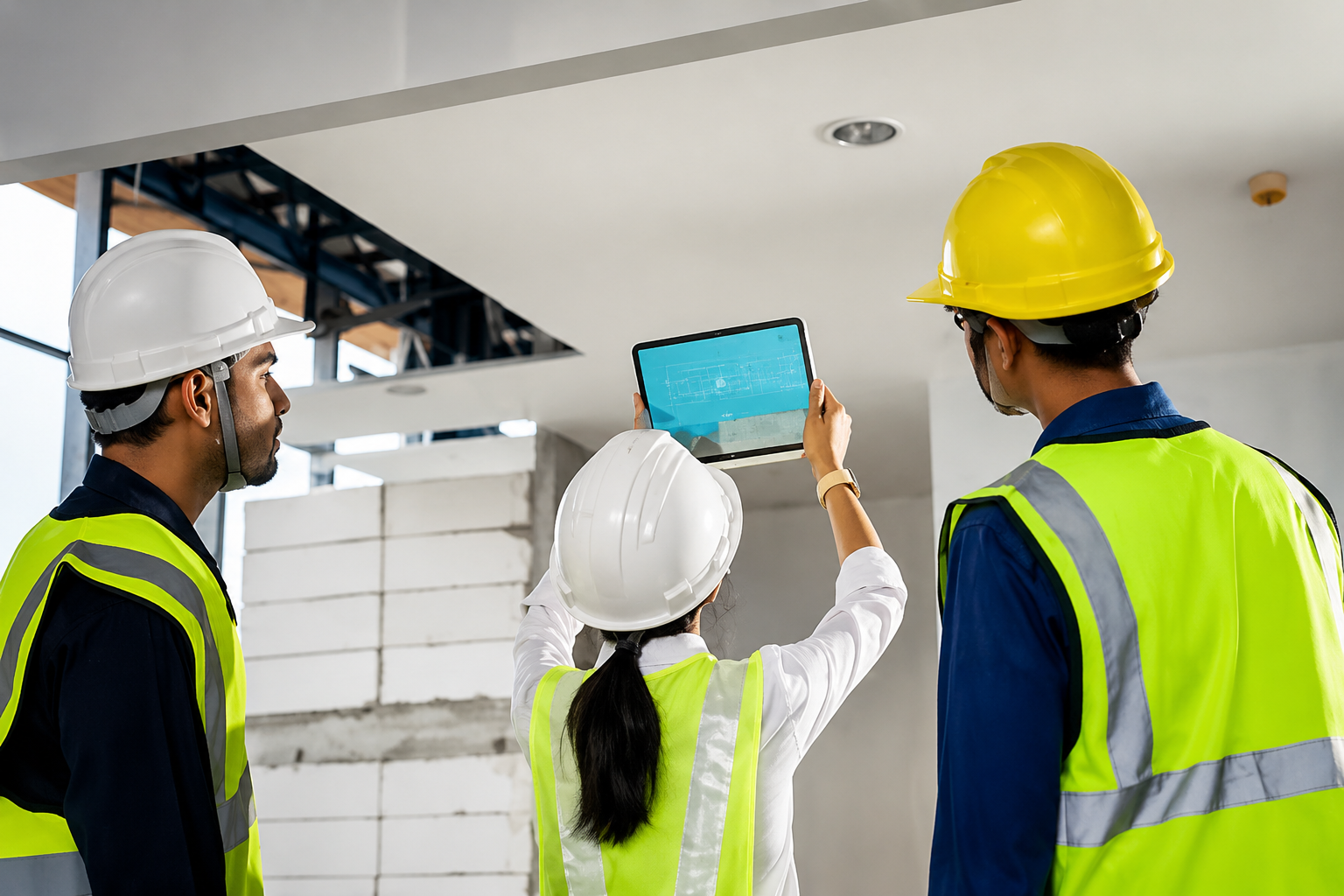
A building inspection is one of the most important steps in ensuring the safety, quality, and value of any residential, commercial, or industrial property. Whether you are purchasing a new home, constructing a commercial building, or maintaining an existing structure, a professional inspection helps identify hidden defects, structural issues, and safety hazards before they become expensive problems. Building inspections provide peace of mind for buyers, property owners, investors, and developers by offering a detailed assessment of the property's condition. From evaluating the foundation and roofing to checking electrical systems and plumbing, inspectors examine every major component to ensure compliance with building standards. In today's competitive real estate market, investing in a comprehensive building inspection is a smart decision that protects both your finances and your long-term investment.
What Is a Building Inspection?
A building inspection is a systematic evaluation of a property's structural integrity, safety, and overall condition conducted by a qualified inspector. The purpose of the inspection is to identify visible defects, maintenance concerns, construction issues, and potential safety risks that could affect the property's value or usability. During the inspection, professionals assess important areas such as foundations, walls, roofs, ceilings, doors, windows, electrical systems, plumbing, insulation, ventilation, and drainage. The inspector then prepares a detailed report outlining any defects, recommended repairs, and maintenance suggestions. This report helps buyers, sellers, builders, and property owners make informed decisions before completing a purchase or renovation project.
Why Building Inspection Is Important
Building inspection plays a vital role in protecting property owners from unexpected repair costs and hidden structural problems. A thorough inspection can uncover issues that are not visible during a casual walkthrough, such as water damage, termite infestations, roof leaks, electrical hazards, or foundation movement. Identifying these problems early allows property owners to address them before they become more serious and expensive. In addition, inspections help ensure compliance with local building regulations and safety standards, reducing legal risks and improving occupant safety. For buyers, a building inspection provides confidence that the property is worth the investment and free from major defects.
Types of Building Inspections
There are several types of building inspections designed to meet different needs throughout a property's lifecycle. Pre-purchase inspections help buyers assess a property's condition before buying. Pre-handover inspections identify construction defects before a newly built property is delivered to the owner. Structural inspections focus specifically on load-bearing components such as foundations and beams. Pest inspections examine properties for termites and other wood-destroying insects. Maintenance inspections help property owners monitor wear and tear over time, while commercial building inspections evaluate offices, warehouses, retail stores, and industrial facilities for safety and compliance. Each inspection serves a unique purpose and contributes to better property management.
What Inspectors Check During a Building Inspection
Professional building inspectors examine numerous components to provide a complete evaluation of the property. They inspect the foundation for cracks or settlement, assess walls and ceilings for moisture damage, evaluate roofing materials for leaks or deterioration, and examine windows and doors for proper operation. Electrical systems are checked for outdated wiring, overloaded circuits, and safety hazards, while plumbing systems are inspected for leaks, corrosion, and water pressure issues. Heating, ventilation, and air conditioning systems are also evaluated to ensure efficient performance. Exterior features such as drainage, landscaping, driveways, and retaining walls are included because they can impact the property's long-term condition and structural stability.
Structural Inspection Explained
A structural inspection focuses on the building's primary support system, including foundations, columns, beams, load-bearing walls, and roof framing. Structural issues can compromise the safety and durability of a building if left unresolved. Inspectors look for signs of movement, cracking, uneven floors, sagging roofs, and water damage that may indicate structural weakness. Early detection allows engineers or contractors to recommend appropriate repairs before problems become severe. Structural inspections are particularly important for older buildings, properties in earthquake-prone regions, or homes showing visible signs of movement or settlement.
Building Inspection for Home Buyers
For home buyers, a building inspection is one of the most valuable investments during the purchasing process. A property may appear attractive on the surface while hiding expensive issues behind walls, under floors, or inside the roof space. A professional inspection reveals these hidden defects, allowing buyers to negotiate repairs, request price reductions, or reconsider the purchase if major problems are discovered. The inspection report also helps buyers understand future maintenance requirements, making budgeting easier after moving into the property. Purchasing without an inspection increases the risk of unexpected repair expenses and financial stress.
Building Inspection for Sellers
Sellers also benefit from obtaining a building inspection before listing their property. A pre-sale inspection identifies maintenance issues that can be repaired before buyers view the property, improving its market appeal and increasing buyer confidence. Addressing defects in advance often leads to smoother negotiations and faster sales because buyers feel more secure about the property's condition. Transparency through a professional inspection report also reduces the likelihood of disputes after the transaction is completed and demonstrates the seller's commitment to honesty and quality.
Common Problems Found During Building Inspections
Building inspections frequently uncover a range of defects that vary in severity depending on the age, construction quality, and maintenance history of the property. Common findings include roof leaks, damaged gutters, cracked foundations, moisture intrusion, mold growth, poor drainage, faulty electrical wiring, plumbing leaks, inadequate insulation, deteriorated exterior paint, termite damage, and ventilation problems. While many of these issues are repairable, identifying them early prevents additional damage and helps property owners prioritize maintenance based on urgency and cost.
The Building Inspection Process
The building inspection process begins with scheduling an appointment and discussing the property's details with the inspector. During the on-site inspection, the professional carefully examines all accessible areas using specialized tools and visual assessment techniques. Photographs and notes are taken to document defects, safety concerns, and maintenance recommendations. After completing the inspection, the inspector prepares a comprehensive report describing each finding, including photographs, severity ratings, and suggested corrective actions. Clients can then use the report to make informed decisions regarding repairs, negotiations, or future maintenance planning.
Benefits of Professional Building Inspection
Hiring a professional building inspector offers numerous advantages beyond identifying defects. Qualified inspectors possess the experience, training, and technical knowledge required to recognize subtle signs of structural damage, moisture intrusion, and safety hazards that inexperienced individuals may overlook. Professional reports provide reliable documentation that can support insurance claims, property negotiations, renovation planning, and legal compliance. Investing in a thorough inspection also reduces financial risk by preventing costly surprises after purchasing or occupying a building.
How Often Should a Building Inspection Be Conducted?
Regular building inspections help maintain a property's safety, functionality, and long-term value. Homeowners should consider inspections every few years or after severe weather events such as storms, floods, or earthquakes. Commercial properties often require more frequent inspections due to higher occupancy levels and regulatory requirements. Newly constructed buildings should undergo inspections before handover, while older buildings benefit from periodic assessments to identify age-related deterioration. Routine inspections enable property owners to address maintenance issues proactively rather than waiting for expensive failures to occur.
Choosing the Right Building Inspector
Selecting a qualified building inspector is essential for receiving accurate and reliable information about a property's condition. Look for inspectors with relevant certifications, industry experience, professional insurance, and positive client reviews. Experienced inspectors use modern equipment and follow recognized inspection standards to ensure comprehensive evaluations. Before hiring, ask about the scope of the inspection, reporting format, turnaround time, and whether photographs and repair recommendations are included. Choosing a reputable professional increases confidence in the inspection results and supports better property decisions.
Conclusion
A building inspection is an essential investment for anyone buying, selling, constructing, or maintaining a property. It provides valuable insights into the condition of the building, identifies hidden defects, and helps prevent costly repairs in the future. Professional inspections improve safety, support informed decision-making, and ensure compliance with building standards. Whether you own a family home, manage a commercial property, or invest in real estate, regular building inspections contribute to preserving your property's value and protecting your financial investment. By working with experienced inspectors and addressing issues promptly, property owners can enjoy greater peace of mind, safer buildings, and stronger long-term returns.

 English
 French
 Spanish
 Portuguese
 Deutsch
 Turkish
 Dutch
Dutch
 Italiano
 Russian
 Romaian
 Portuguese (Brazil)
 Greek
Greek
