


How to Know If Your Dentures Need an Adjustment or Replacement
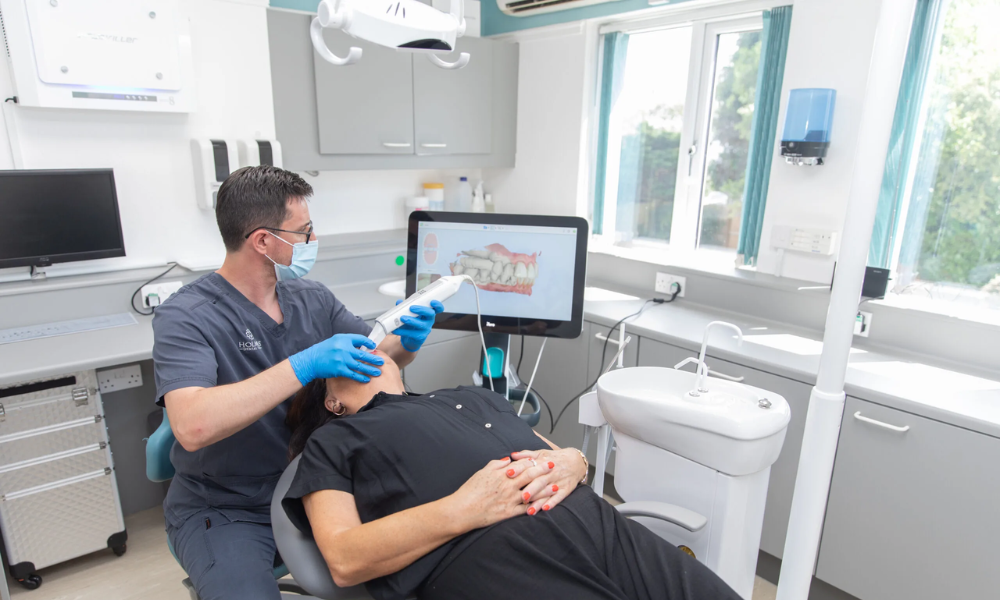
Dentures are a reliable solution for replacing missing teeth, helping millions of people restore their ability to eat, speak, and smile with confidence. Modern dentures are designed for durability and comfort, but they are not meant to last forever without maintenance. As your mouth naturally changes over time, your dentures may begin to fit differently or show signs of wear.
Knowing when your dentures need a simple adjustment and when they should be completely replaced is essential for maintaining good oral health and overall comfort. Ignoring these signs can lead to gum irritation, difficulty eating, changes in speech, and even long-term damage to your oral tissues.
In this guide, we'll explore the common signs that indicate it's time to visit your denture professional and understand whether an adjustment or a replacement is the best solution.
Why Dentures Change Over Time
Even if your dentures were a perfect fit when you first received them, your mouth continues to change after tooth loss. Without natural tooth roots stimulating the jawbone, gradual bone resorption occurs, causing the shape of your gums and jaw to change.
These natural changes can affect how securely your dentures fit, making them feel loose or uncomfortable over time. Visiting a trusted denture clinic for routine assessments ensures these changes are monitored and addressed before they affect your comfort or oral health.
Other factors that contribute to denture wear include:
-
Daily chewing pressure
-
Natural aging of denture materials
-
Accidental drops or damage
-
Changes in oral tissues
-
Normal wear of artificial teeth
Regular dental check-ups at a professional denture clinic help identify these issues early, allowing for timely adjustments, relines, or repairs that keep your dentures fitting comfortably and functioning effectively.
Signs Your Dentures May Only Need an Adjustment
Not every denture problem requires a completely new set. In many cases, a professional adjustment can restore comfort and improve function.
Minor Sore Spots
If you notice small areas of irritation after wearing your dentures, they may simply need slight modifications to relieve pressure on your gums.
Never attempt to adjust dentures yourself, as even small changes can affect the overall fit.
Slight Looseness
If your dentures move a little while eating or speaking but are otherwise in good condition, your dental professional may recommend an adjustment or reline rather than a replacement.
Difficulty Chewing Certain Foods
When chewing becomes less comfortable, the issue may be related to bite alignment rather than worn-out dentures.
A professional can evaluate your bite and make precise corrections that improve chewing efficiency.
Minor Speech Changes
If you begin noticing slight changes in pronunciation, especially after years of wearing dentures comfortably, an adjustment may improve stability and speech clarity.
When a Denture Reline May Be Enough
As your jawbone changes shape, the inner surface of your dentures may no longer fit your gums properly.
A denture reline involves adding new material to the inside of the denture to match the current shape of your mouth.
A reline may be appropriate if:
-
Dentures feel loose
-
The denture itself remains in good condition
-
Teeth are not excessively worn
-
There are no major cracks or fractures
Relining often restores comfort without the expense of completely replacing the dentures.
Signs Your Dentures May Need Replacement
Although adjustments and relines can solve many issues, there comes a point when replacement becomes the better option.
Frequent Slipping
If your dentures regularly slip while eating, laughing, or talking despite previous adjustments, they may no longer fit your mouth properly.
Excessive movement can cause sore spots and make daily activities uncomfortable.
Visible Wear on the Teeth
Artificial teeth gradually wear down after years of chewing.
Excessive wear may lead to:
-
Reduced chewing efficiency
-
Changes in bite alignment
-
Facial appearance changes
-
Increased strain on the jaw
Replacing worn dentures restores proper function and appearance.
Cracks or Fractures
Small cracks can weaken the denture structure and increase the risk of complete breakage.
Although some damage can be repaired, multiple fractures or significant structural damage often indicate it's time for replacement.
Persistent Gum Irritation
If sore spots continue despite adjustments, your dentures may no longer match the shape of your gums.
Long-term irritation increases the risk of inflammation and infection, making professional evaluation important.
Changes in Facial Appearance
Poorly fitting dentures may no longer support your lips and cheeks effectively.
This can cause:
-
A sunken facial appearance
-
More noticeable wrinkles around the mouth
-
Reduced lip support
-
An aged appearance
New dentures can restore facial balance and improve overall appearance.
Difficulty Speaking
Persistent clicking, slipping, or changes in speech that do not improve with adjustments may indicate that the dentures have become unstable due to changes in your mouth.
How Long Do Dentures Usually Last?
Although every patient is different, most conventional dentures typically last between 5 and 10 years before replacement becomes necessary.
The exact lifespan depends on factors such as:
-
Quality of materials
-
Daily care
-
Frequency of use
-
Changes in your jawbone
-
Overall oral health
Even if dentures appear undamaged, they may still require replacement if they no longer fit properly.
Why Regular Check-Ups Are Essential
Many denture problems develop gradually, making them difficult to notice at first.
Routine dental appointments allow professionals to monitor the following:
-
Denture fit
-
Gum health
-
Jawbone changes
-
Bite alignment
-
Wear on artificial teeth
-
Signs of oral disease
Early intervention often prevents more serious problems and extends the lifespan of your dentures.
Avoid DIY Denture Repairs
When dentures become uncomfortable, some people attempt to repair or adjust them at home using glue, files, or repair kits.
This can lead to:
-
Permanent damage
-
Poor fit
-
Increased gum irritation
-
Bite problems
-
More expensive professional repairs
Dentures should always be repaired or adjusted by qualified dental professionals using proper materials and equipment.
Caring for Your Dentures to Extend Their Lifespan
Good daily care helps keep dentures comfortable and functional for as long as possible.
Recommended practices include:
-
Clean dentures every day with a denture brush.
-
Rinse after meals.
-
Soak dentures overnight in a recommended cleaning solution.
-
Handle them carefully to prevent accidental drops.
-
Avoid very hot water, which may distort the material.
-
Visit your denture clinic regularly for professional evaluations.
Proper maintenance cannot prevent natural changes in your mouth, but it can significantly improve the longevity of your dentures.
Benefits of Replacing Worn Dentures
Replacing outdated dentures offers several important advantages:
-
Improved comfort
-
Better chewing ability
-
Enhanced speech
-
More natural appearance
-
Greater stability
-
Increased confidence
-
Better support for facial muscles
Modern denture materials and manufacturing techniques often provide a noticeably better experience compared to older dentures.
Conclusion
Dentures play an important role in restoring your smile and improving everyday life, but they require regular maintenance to continue performing at their best. Minor issues such as sore spots or slight looseness can often be corrected with professional adjustments or relining, while more significant wear, repeated slipping, or structural damage may indicate the need for replacement.
Paying attention to changes in comfort, fit, and function and scheduling regular visits with your denture professional can help ensure your dentures continue to support your oral health for years to come. By addressing problems early and avoiding do-it-yourself repairs, you can enjoy a comfortable fit, natural-looking smile, and the confidence that comes with properly functioning dentures.

 English
 Arabic
 Spanish
 Portuguese
 Deutsch
 Turkish
 Dutch
Dutch
 Italiano
 Russian
 Romaian
 Portuguese (Brazil)
 Greek
Greek
