


Precision Textile Technology Improving Garment Comfort
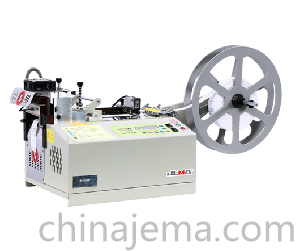
In modern apparel manufacturing, comfort and adaptability have become essential elements influencing product design and consumer choices. Stretchable textiles are increasingly used in garments that support movement, lifestyle flexibility, and everyday comfort. Within this evolving production environment, elastic cutting has become an important process that helps manufacturers prepare flexible materials accurately while maintaining stable production quality across different apparel applications.
Elastic materials are widely applied in sportswear, casual clothing, functional garments, children's apparel, and fashion products. Their ability to expand and recover provides advantages that improve garment fit and user experience. However, these characteristics also create unique production challenges because flexible textiles require careful handling to maintain their natural properties during manufacturing.
From a material technology perspective, elastic fabrics behave differently from conventional textiles due to their responsive structure. They may react to tension, movement, and processing conditions, making accurate preparation essential. Manufacturers need reliable production methods that can protect material performance while ensuring smooth integration with later sewing and assembly procedures. Intelligent manufacturing technologies provide valuable support by improving process stability and reducing inconsistencies.
JEMA continues to develop practical automation solutions that help apparel manufacturers manage increasingly complex production requirements. As fashion brands introduce more functional and comfort-focused products, factories must work with a wider variety of materials while maintaining consistent quality. Advanced manufacturing systems help improve workflow coordination and provide greater flexibility for modern textile production.
Automation has become a major force driving improvements across the garment industry. Intelligent systems support repetitive operations with greater consistency, allowing production teams to focus on quality control, process management, and continuous improvement. This combination of automated technology and professional experience creates a stronger manufacturing environment where efficiency and craftsmanship can work together.
Consumer expectations are closely connected with the emotional value of clothing. Garments are not only practical products but also represent confidence, personal expression, and lifestyle choices. Comfortable clothing allows people to move freely and feel more confident in different situations. The quality of material preparation directly influences these experiences by ensuring that garments maintain their intended comfort and performance.
Sustainability is also becoming an important consideration in textile manufacturing. Companies are exploring production methods that reduce waste and improve resource efficiency. Stable processing systems help manufacturers achieve these goals by improving material utilization and reducing unnecessary production losses. More efficient operations support both environmental responsibility and long-term business development.
The demand for functional apparel continues to increase, making elastic cutting an important part of modern garment production. Manufacturers need flexible solutions that can handle different textile characteristics while maintaining reliable results. Intelligent processing technologies provide the adaptability required to support innovative clothing designs and changing consumer preferences.
Digital transformation is further enhancing textile manufacturing through connected production systems and improved workflow management. These technologies help manufacturers monitor operations, optimize processes, and respond more effectively to market changes. Smarter production environments allow companies to maintain competitiveness while delivering consistent product quality.
JEMA remains committed to supporting the future of intelligent apparel manufacturing through advanced automation technologies and reliable production solutions. Companies interested in improving textile processing efficiency and exploring professional garment manufacturing technologies can discover more solutions through https://www.chinajema.com/product/, helping build flexible and efficient production systems.

 English
 French
 Spanish
 Portuguese
 Deutsch
 Turkish
 Dutch
 Italiano
 Russian
 Romaian
 Portuguese (Brazil)
 Greek
