


Edge Data Centers Supporting Scalable and Secure Connectivity
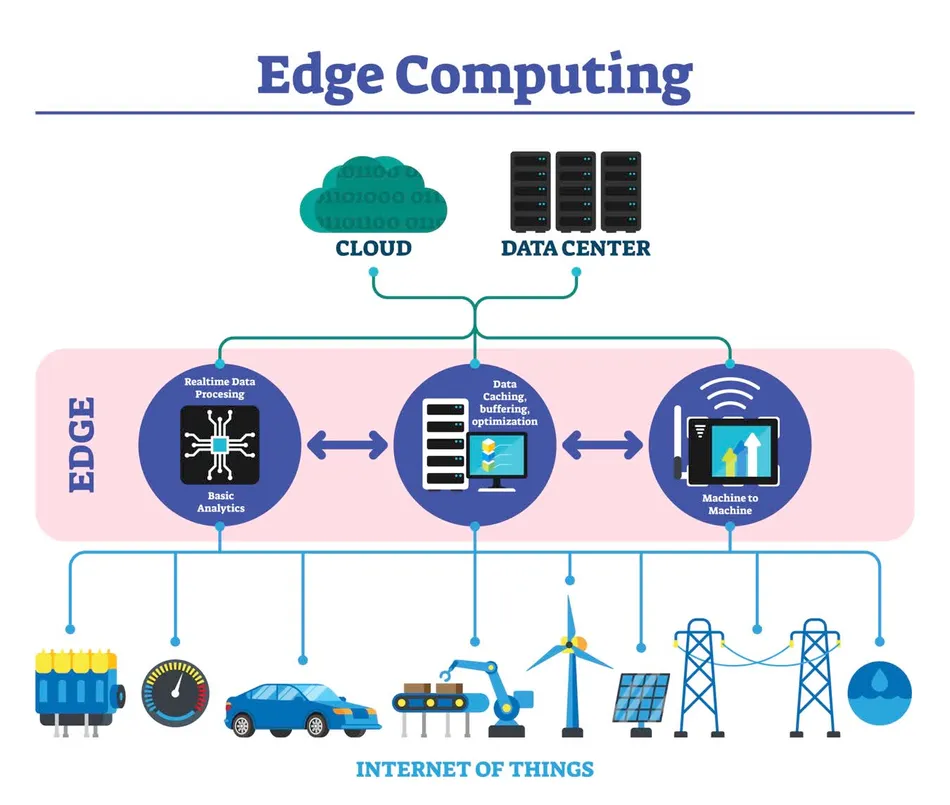
Edge data centers are becoming a critical part of modern digital infrastructure as organizations seek faster, more reliable, and more efficient ways to process data. Unlike traditional centralized data centers, edge data centers are located closer to end users, devices, or data sources. This proximity reduces latency, improves application performance, and supports real-time data processing. As technologies such as cloud computing, the Internet of Things, and advanced connectivity continue to evolve, edge data centers are playing an essential role in enabling responsive and resilient digital services across industries.
At their core, edge data centers are smaller-scale facilities designed to handle computing, storage, and networking closer to where data is generated. They typically integrate servers, storage systems, networking equipment, power management, and cooling solutions within compact and often modular designs. These facilities may be deployed in urban locations, industrial sites, telecom hubs, or remote areas. By decentralizing computing resources, edge data centers complement traditional cloud and hyperscale data centers rather than replacing them, creating a distributed architecture that balances performance, cost, and scalability.
The concept of edge computing is closely tied to edge data centers, as these facilities provide the physical foundation needed to run edge workloads. Core components often include virtualization platforms, container technologies, and intelligent management software that allow remote monitoring and automation. Security systems, both physical and digital, are also integral, ensuring data protection at sites that may be unmanned or geographically dispersed. Together, these components enable organizations to deploy applications closer to users while maintaining centralized control and governance.
Edge data centers are widely used across multiple industries due to their flexibility and performance benefits. In telecommunications, they support low-latency services such as video streaming, content delivery, and next-generation network applications. In manufacturing and industrial environments, edge data centers enable real-time analytics, predictive maintenance, and automation by processing sensor data locally. Retail businesses use edge infrastructure to support smart stores, digital payments, and personalized customer experiences, while healthcare providers rely on it for rapid data access, connected medical devices, and remote care solutions.
The growth of smart cities and connected infrastructure further highlights the importance of edge data centers. Traffic management systems, public safety applications, and energy management platforms depend on fast data processing to function effectively. Similarly, the media and entertainment industry uses edge data centers to deliver high-quality content with minimal delay, enhancing user experience. Across these use cases, the common requirement is low latency, high availability, and localized data processing, all of which are well served by edge data center deployments.
Several factors are driving the adoption of edge data centers and creating new opportunities for innovation. The rapid increase in connected devices and data-intensive applications has made centralized processing less efficient for certain workloads. Organizations are also seeking to improve user experience by reducing response times and ensuring consistent service quality. Additionally, regulatory and data sovereignty considerations are encouraging localized data processing, making edge data centers an attractive solution for compliance and governance needs.
Despite their advantages, edge data centers also face notable challenges and limitations. Managing a large number of distributed facilities can increase operational complexity, particularly in terms of maintenance, monitoring, and security. Ensuring consistent performance and uptime across diverse locations requires robust management tools and skilled resources. Physical security can be more difficult to enforce at remote sites, and limited space may restrict expansion or equipment upgrades. Energy efficiency and cooling can also be challenging, especially in harsh or constrained environments.
Emerging trends are shaping the future of edge data centers and addressing some of these challenges. Modular and prefabricated designs are gaining popularity, allowing faster deployment and easier scalability. Advances in remote management, automation, and artificial intelligence are improving operational efficiency and reducing the need for on-site personnel. Integration with cloud-native technologies is also strengthening, enabling seamless workload orchestration between edge and central data centers. Sustainability-focused innovations, such as energy-efficient hardware and advanced cooling methods, are becoming increasingly important as organizations prioritize environmental responsibility.
Regional and industry-specific factors influence how edge data centers are deployed and used. Urban areas often focus on supporting high-density digital services, while rural or remote regions benefit from improved connectivity and localized processing. Industries with strict latency or reliability requirements, such as healthcare, manufacturing, and finance, are among the earliest adopters. Meanwhile, developing digital ecosystems are leveraging edge data centers to expand access to modern applications and services without relying solely on large centralized facilities.
Edge data centers are expected to become an integral layer of the global digital infrastructure. As applications demand faster response times and greater resilience, the role of localized computing will continue to expand. Organizations that adopt edge data center strategies can gain a competitive advantage by delivering better performance, supporting innovation, and improving operational agility. In conclusion, edge data centers represent a practical and forward-looking approach to meeting the demands of a connected, data-driven world, bridging the gap between centralized cloud resources and the growing need for real-time, local processing.
Top Trending Reports -
South Korea Digital Advertising Market Trends

 English
 Arabic
 French
 Spanish
 Portuguese
 Deutsch
 Turkish
 Dutch
Dutch
 Italiano
 Romaian
 Portuguese (Brazil)
 Greek
Greek
