


Global Defence Spending and Its Impact on Stock Markets
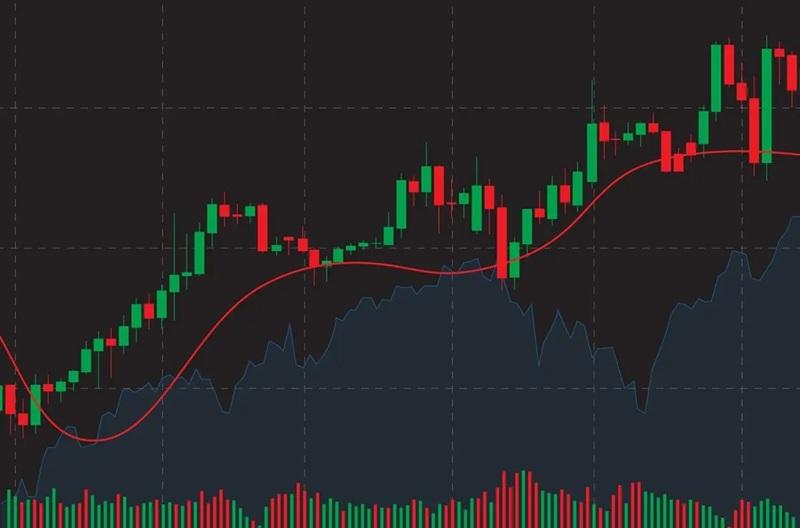
Global defence spending has increased significantly over the past decade as governments invest more in national security, military modernization, cybersecurity, and advanced technologies. Rising geopolitical tensions, regional conflicts, and evolving security threats have encouraged many countries to allocate larger budgets to strengthen their defence capabilities. As a result, investors have shown growing interest in the best defence stocks, hoping to benefit from long-term government spending trends.
While the defence industry can offer attractive investment opportunities, understanding how global defence spending affects stock markets is essential before making investment decisions.
Why Global Defence Spending Is Increasing
Governments around the world continue increasing defence budgets for several reasons. Modern military equipment requires constant upgrades, new technologies such as artificial intelligence and unmanned systems are changing the nature of warfare, and cybersecurity has become a national priority.
Many countries are also investing in missile defence systems, naval modernization, aerospace capabilities, satellite technologies, and intelligence infrastructure. These long-term investments often create stable business opportunities for companies operating in the defence sector.
Defence Budgets Drive Industry Growth
The primary source of revenue for defence companies comes from government contracts.
When governments announce higher defence budgets, companies involved in manufacturing military equipment, aircraft, naval systems, communication technologies, and defence electronics may receive additional contracts. Larger order books can improve future revenue visibility, strengthen earnings expectations, and increase investor confidence.
For this reason, announcements related to defence spending often influence the share prices of companies operating in the sector.
Long-Term Government Contracts Provide Stability
Unlike many industries that depend heavily on consumer demand, defence companies often operate under multi-year government agreements.
These long-term contracts provide predictable cash flows and greater financial stability. Investors generally value businesses with consistent revenue visibility because they reduce uncertainty during changing economic conditions.
This stability is one reason many long-term investors monitor the best defence stocks as part of a diversified portfolio.
Technological Innovation Creates New Opportunities
The defence industry has evolved far beyond traditional weapons manufacturing.
Today, companies invest heavily in artificial intelligence, autonomous systems, cybersecurity, space technology, drones, advanced communication networks, and electronic warfare. Innovation has become an important growth driver as governments seek modern defence capabilities.
Businesses that successfully develop next-generation technologies may benefit from increased demand and stronger competitive positions.
Geopolitical Events Influence Market Sentiment
Global events can have an immediate impact on defence stocks.
Rising geopolitical tensions, border disputes, international conflicts, or changes in national security policies often increase investor interest in defence companies. Markets may anticipate higher government spending, leading to stronger performance for stocks in the sector.
At the same time, improvements in geopolitical stability may reduce short-term investor enthusiasm, even though long-term defence spending often remains substantial.
Export Markets Support Revenue Growth
Many defence manufacturers supply equipment to multiple countries rather than relying solely on domestic contracts.
International exports help diversify revenue sources while expanding business opportunities across different regions. Companies with strong global customer bases may experience more stable long-term growth than businesses dependent on a single government.
Export capabilities are therefore an important consideration when evaluating investment opportunities.
Financial Performance Remains Important
Although defence spending creates opportunities, investors should never overlook company fundamentals.
Revenue growth, profitability, cash flow, debt levels, order backlog, operational efficiency, and management quality remain essential factors when evaluating investment potential.
The best defence stocks are typically companies that combine strong financial performance with sustainable long-term growth opportunities.
Government Policies Affect Business Prospects
The defence industry is closely connected to government policy.
Changes in procurement strategies, budget allocations, domestic manufacturing initiatives, export regulations, and international partnerships can significantly influence future business opportunities.
Investors should pay attention to policy developments because they often shape long-term industry growth.
Diversification Reduces Investment Risk
Although defence companies may benefit from increased government spending, concentrating an entire portfolio in one sector increases investment risk.
Economic conditions, policy changes, contract delays, regulatory decisions, or geopolitical developments can influence industry performance. Diversifying investments across multiple sectors helps reduce overall portfolio volatility while maintaining exposure to long-term growth opportunities.
A balanced investment approach often produces more consistent results over time.
Evaluating the Best Defence Stocks
Investors searching for the best defence stocks should look beyond recent share price performance.
A high-quality defence company often demonstrates strong order visibility, consistent earnings growth, healthy cash flow, manageable debt, technological leadership, diversified customer relationships, and the ability to secure long-term government contracts.
Evaluating these factors provides a more complete picture of a company's long-term investment potential than focusing solely on short-term market movements.
Long-Term Outlook for the Defence Sector
Global security challenges continue evolving, and governments are expected to maintain significant investments in military modernization, cybersecurity, and advanced defence technologies.
As innovation accelerates and defence priorities expand, companies capable of delivering advanced solutions may continue benefiting from long-term demand. While short-term market volatility remains inevitable, structural growth trends support continued investor interest in the sector.
Conclusion
Growing global defence spending has become an important driver of stock market activity, particularly for companies involved in aerospace, defence manufacturing, cybersecurity, and military technology. Higher government budgets, technological innovation, export opportunities, and long-term contracts all contribute to the growth potential of the industry.
For investors looking for the best defence stocks, success depends on evaluating more than just current market sentiment. Careful analysis of financial performance, competitive advantages, government relationships, innovation capabilities, and long-term growth prospects can help identify quality companies capable of delivering sustainable value over time.

 English
 Arabic
 Spanish
 Portuguese
 Deutsch
 Turkish
 Dutch
Dutch
 Italiano
 Russian
 Romaian
 Portuguese (Brazil)
 Greek
Greek
