


Clutch Master Cylinder For Smooth Operation
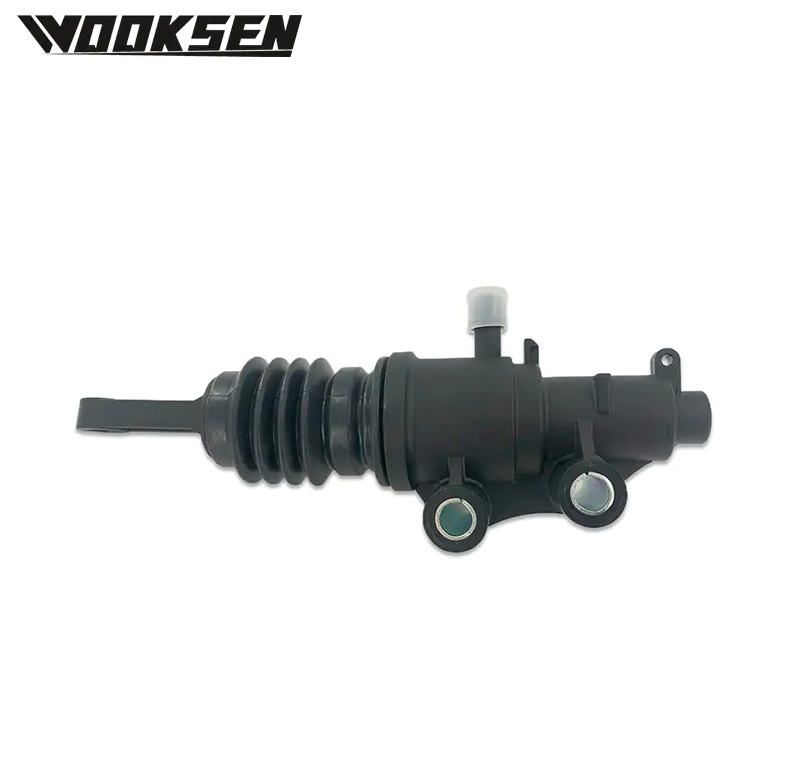
A clutch master cylinder is an important part of a hydraulic clutch system, helping drivers control gear changes with steady and responsive operation. It converts the force applied to the clutch pedal into hydraulic pressure, which moves the clutch mechanism and allows smooth separation between the engine and transmission.
The basic structure of a clutch master cylinder includes a cylinder body, piston, seal components, push rod, and fluid reservoir connection. When the driver presses the clutch pedal, the push rod moves the piston inside the cylinder. This action creates pressure in the hydraulic fluid, sending force toward the clutch actuator. The process allows the clutch system to respond quickly during gear shifting.
Material selection plays an important role in the production of a clutch master cylinder. Manufacturers usually consider factors such as strength, wear resistance, and compatibility with hydraulic fluid. Aluminum alloy and other durable materials are often used for cylinder bodies because they provide a balance between lightweight design and mechanical stability. Precision machining helps create smooth internal surfaces, supporting consistent piston movement.
A reliable clutch master cylinder design can improve driving comfort in different vehicle applications. Passenger cars, commercial vehicles, and specialized transportation equipment often require hydraulic clutch systems that deliver stable performance under various operating conditions. The component must maintain proper pressure control and support repeated pedal movement during daily use.
Modern production methods focus on accurate dimensions and strict process control. Computer-aided design technology helps engineers develop detailed structures, while automated equipment supports consistent manufacturing results. Testing procedures may include pressure checks, sealing inspections, and movement evaluations to confirm that each unit meets design requirements.
The clutch master cylinder also influences the overall feeling of the clutch pedal. A well-designed unit can provide balanced pedal response, making gear changes easier for drivers. Differences in cylinder size, piston design, and hydraulic characteristics can affect pedal feedback and system behavior.
For replacement markets and vehicle assembly projects, choosing a suitable clutch master cylinder requires attention to compatibility, specifications, and application conditions. Buyers often review factors such as mounting design, material quality, production standards, and supplier capability before making decisions.
As a key hydraulic component, the clutch master cylinder connects driver input with mechanical action. Its role in transmitting pressure makes it an essential part of clutch systems used in many vehicles. Understanding its structure and function helps users recognize how this small component contributes to smooth vehicle operation.

 Arabic
 French
 Spanish
 Portuguese
 Deutsch
 Turkish
 Dutch
Dutch
 Italiano
 Russian
 Romaian
 Portuguese (Brazil)
 Greek
Greek
