


A Beginner’s Guide to Preparing Art for Stitching
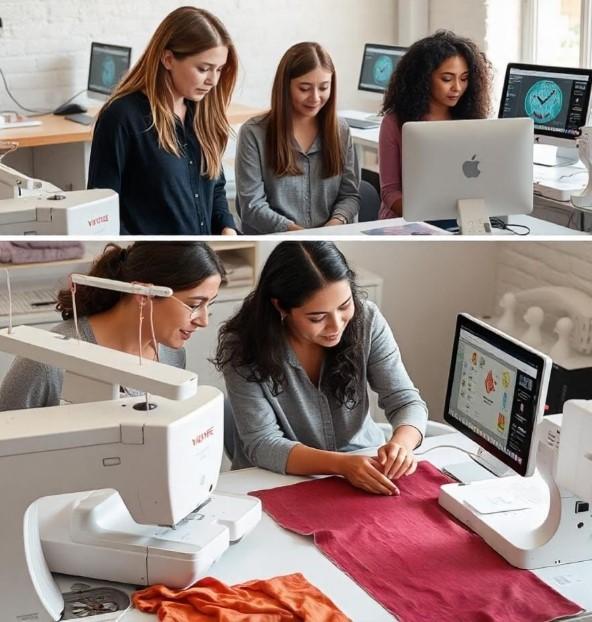
Preparing art for embroidery is not the same as saving a picture on a computer. Thread behaves in a physical way. It has weight. It pulls fabric. It shines under light. Because of this, artwork must be rebuilt with care before stitching begins. Beginners often skip this step and wonder why their design looks wrong.This is where Embroidery Digitizing becomes important. A design must be translated into stitch language that machines understand.
A picture alone is not enough. The machine needs clear instructions for every move. When art is prepared the right way, stitching looks smooth and strong. When it is rushed, the result looks messy.
I have worked with many first-time embroidery clients. Most of them believe their logo is ready to stitch. After testing, they see gaps, bunching, or broken text. These problems are common. They are not failures. They are signs that the art needs proper preparation.
At Embroidery Digitizing Services in USA - Digitizing Buddy, the first lesson we teach beginners is patience. Good embroidery starts before the machine runs. The artwork must be cleaned, simplified, and planned. This early work protects the final result.
Why Preparing Art Matters So Much
Embroidery is not printing. Ink sits flat. Thread builds layers. That difference changes everything.
Thread Changes Shape
Thread pulls fabric inward. It also pushes outward. This motion changes the size of shapes.
Without preparation, circles stretch. Letters close. Lines twist. Clean art planning fixes this before stitching.
Machines Need Exact Paths
Embroidery machines follow math. They do not guess. Every stitch must have a path.
If the art is unclear, the machine cannot make smart choices. Preparation removes confusion.
Starting With the Right Artwork
Not every image is ready for embroidery. Some files work better than others.
Vector Files Are Stronger
Vector art uses clean lines. It scales without losing quality. This makes digitizing easier.
Blurry images force guesswork. Guesswork creates weak stitching.
High Contrast Designs Help
Strong contrast makes shapes clear. Light shadows and soft fades get lost in thread.
Beginners should choose bold artwork. Simple shapes stitch better.
Cleaning the Artwork First
Most designs need cleanup before digitizing starts.
Removing Tiny Details
Very small dots break during stitching. Thin lines disappear.
Experts remove these parts or enlarge them slightly. This keeps the design readable.
Strengthening Edges
Weak borders fray over time. Strong edges hold thread firmly.
Digitizers thicken lines just enough to protect durability.
Simplifying Without Losing Identity
Beginners fear simplification. They think detail equals quality. In embroidery, clarity wins.
Focus on Main Shapes
The eye reads big shapes first. Small decoration is often unnecessary.
Clean shapes keep the logo strong at a distance.
Reducing Color Overload
Too many thread colors create clutter. They also increase production time.
Smart color limits improve readability.
Choosing the Right Stitch Types
Each part of a design needs a stitch that fits its job.
Running Stitch for Fine Detail
Running stitches are light. They outline small features.
They add detail without heavy bulk.
Satin Stitch for Text and Borders
Satin stitches shine. They create smooth edges.
They must be angled carefully to avoid twisting.
Fill Stitch for Large Areas
Fill stitches cover big shapes. They need balanced density.
Too tight feels stiff. Too loose looks empty.
Stitch Direction Shapes the Look
Direction controls both beauty and structure.
Creating Depth With Angles
Thread reflects light differently based on angle. Changing direction adds texture.
This gives designs a lively look.
Preventing Fabric Wrinkles
Poor direction pulls cloth unevenly. This causes puckering.
Smart planning spreads tension evenly.
Fabric Choice Changes Everything
The same design behaves differently on each fabric.
Soft Fabrics Stretch More
T-shirts move easily. Jackets resist movement.
Digitizers adjust stitch spacing to match the material.
Stabilizer Is a Hidden Helper
Stabilizer supports the fabric during stitching.
Light fabric needs soft backing. Thick fabric needs firm support.
Wrong stabilizer ruins clean results.
The Importance of Underlay
Underlay is the hidden base layer beneath visible stitches.
Why Underlay Exists
It locks fabric in place. It builds a platform for top stitches.
Without it, designs sink into cloth.
Types of Underlay
Edge underlay supports borders.
Center underlay supports fills.
Zigzag underlay adds strength.
Experts combine these types for balance.
Testing Before Final Stitching
Testing is where real truth appears.
Sample Stitch Outs
A test sample shows hidden flaws. Letters may close. Curves may warp.
This is normal. Testing exists to catch these issues.
Making Adjustments
Density changes. Angles shift. Underlay improves.
Testing is not wasted time. It protects quality.
At Embroidery Digitizing Services in USA - Digitizing Buddy, testing is part of every serious project. Beginners quickly learn why this step matters.
Learning Through Experience
Software teaches tools. Experience teaches judgment.
Each Design Adds Knowledge
Small text teaches control. Thick fabric teaches strength balance.
Experts build a mental library of solutions.
Knowing When to Stop Adding Detail
Beginners add more stitches to fix problems. Experts remove clutter.
Clean designs stitch better than crowded ones.
Protecting Durability Over Time
Embroidery must survive washing and daily wear.
Balanced Density Prevents Damage
Too many stitches stress fabric. Balanced stitching spreads tension.
This protects both thread and cloth.
Locking Shapes in Place
Good preparation anchors stitches. Shapes stay stable after washing.
Durability proves smart planning.
Human Judgment Still Leads the Machine
Machines are fast. Humans guide intelligence.
Visual Balance Checks
A computer cannot judge beauty alone. A trained eye adjusts spacing.
Experts trust experience as much as software.
Craft Meets Technology
Old sewing knowledge still matters. Understanding thread behavior improves planning.
Technology speeds work. Skill protects quality.
At Embroidery Digitizing Services in USA - Digitizing Buddy, this blend of craft and modern tools defines daily workflow.
Common Beginner Mistakes
Mistakes are part of learning. Knowing them early saves time.
Overcrowded Designs
Too much detail blurs shapes. Thread clumps hide clarity.
Bold designs stitch better.
Ignoring Fabric Type
A plan for cotton may fail on nylon.
Each material needs its own strategy.
Skipping Testing
Skipping tests risks full production failure.
Professionals never rush approval.
Building Confidence as a Beginner
Embroidery preparation improves with practice.
Start With Simple Logos
Clean shapes teach faster than complex art.
Confidence grows with early success.
Study Finished Samples
Looking at real stitched work teaches what survives fabric stress.
Observation builds skill.
Why Proper Preparation Builds Trust
Embroidery represents a brand in public.
First Impressions Matter
A clean logo shows care. A messy logo hurts reputation.
People notice details.
Long-Term Savings
Good preparation reduces errors. Fewer mistakes mean faster production.
Quality upfront saves money later.
Final Thoughts
Preparing art for stitching is careful work. It blends creativity and engineering. Every stitch must serve a purpose. Every choice must respect fabric behavior.
Great embroidery starts long before the needle moves. It begins with planning, cleanup, and testing. Beginners who learn this early avoid frustration later.
When art is prepared with discipline, embroidery looks sharp and strong. Colors stay clear. Shapes hold their form. Fabric stays protected.
That hidden preparation is what turns simple thread into lasting impact. It shows skill you may not see, but you can always feel.

 English
 Arabic
 French
 Spanish
 Portuguese
 Deutsch
 Turkish
 Dutch
Dutch
 Italiano
 Russian
 Romaian
 Portuguese (Brazil)
