


Advanced Cryogenic Valve Engineering for Low Temperature Systems
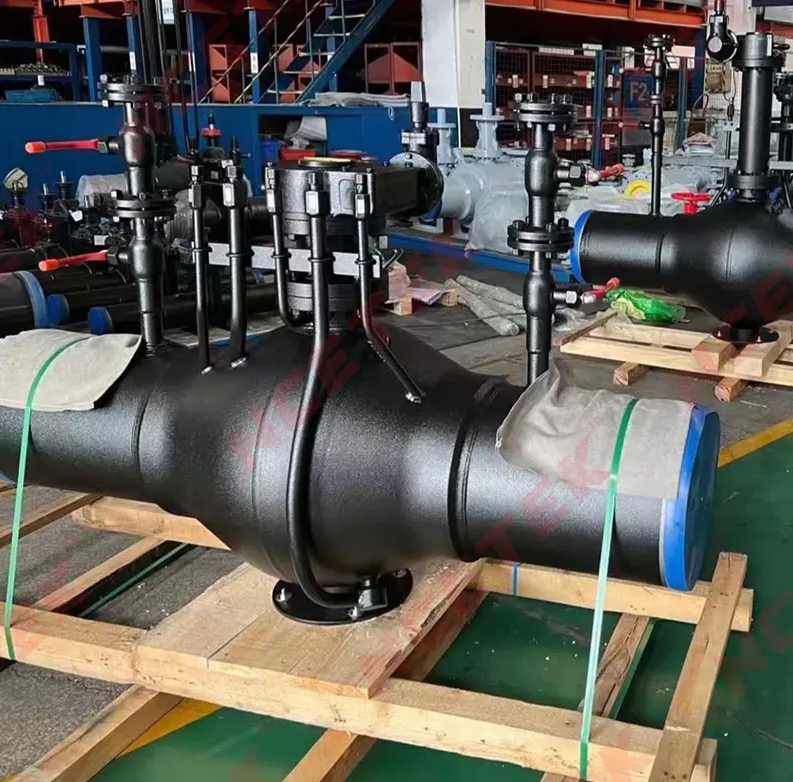
Industrial systems transporting low-temperature media require carefully engineered equipment capable of maintaining stable performance under challenging thermal conditions. LNG facilities, industrial gas plants, hydrogen energy projects, petrochemical systems, and specialized manufacturing environments all depend on reliable valves to maintain safe and efficient process operations. A professional Cryogenic Ball Valve Design approach helps ensure structural stability, effective sealing, and dependable flow control when equipment operates in extreme temperature environments.
Cryogenic applications create unique technical challenges because materials, seals, and mechanical components respond differently when exposed to very low temperatures. Thermal contraction, changes in material toughness, and variations in sealing behavior must all be considered during product development. Engineers analyze these factors carefully to create valve structures capable of maintaining reliable performance throughout cooling, operation, and temperature recovery cycles.
Material selection is a fundamental part of cryogenic valve engineering. Stainless steel materials are commonly selected because they maintain strong mechanical properties and excellent toughness under low-temperature conditions. For more demanding applications, specialized alloys may be considered to provide enhanced corrosion resistance and structural stability. Proper material selection helps prevent performance degradation and supports long service life.
Thermal expansion management is another important design consideration. Different valve components may contract at different rates during temperature changes, potentially affecting internal clearances and sealing interfaces. Engineers optimize component dimensions, structural arrangements, and assembly methods to accommodate thermal movement while preserving smooth operation and reliable isolation performance.
Sealing technology is especially critical in cryogenic environments. Low-temperature fluids require effective containment to prevent leakage and maintain process efficiency. Advanced sealing structures are designed to provide stable contact pressure despite temperature fluctuations, helping maintain dependable shut-off capability during continuous operation.
Precision manufacturing technology contributes significantly to cryogenic valve quality. Modern production facilities use advanced CNC machining equipment to manufacture valve bodies, balls, stems, seats, and sealing components with accurate dimensions. High machining precision improves component compatibility, reduces operating resistance, and supports consistent performance throughout repeated valve cycles.
Flow performance is also an essential factor in low-temperature pipeline systems. Optimized internal passages allow cryogenic media to move smoothly while minimizing turbulence and unnecessary pressure loss. Efficient flow characteristics help improve system stability and support better energy utilization across industrial facilities.
Cryogenic valves often operate under repeated thermal cycling, pressure variations, vibration, and continuous service conditions. Durable structural design combined with high-quality manufacturing improves resistance against thermal stress, mechanical fatigue, and deformation. These advantages help reduce maintenance requirements and extend equipment service life.
Operational reliability is particularly important in facilities where equipment accessibility may be limited. High-quality valve construction reduces the possibility of unexpected failures and allows operators to maintain stable production schedules. Improved reliability contributes to safer operations and better management of critical industrial assets.
Cryogenic valve technology is widely used in LNG transportation, industrial gas production, hydrogen infrastructure, aerospace systems, pharmaceutical manufacturing, chemical processing, and research facilities. Each application requires equipment capable of maintaining precise control and dependable performance under strict operating conditions.
Automation integration continues to enhance cryogenic system management. Electric, pneumatic, and hydraulic actuators allow accurate remote operation, while intelligent monitoring systems provide operational data for predictive maintenance. These technologies help improve safety, efficiency, and equipment visibility in complex industrial environments.
Environmental considerations are also influencing modern valve development. Reliable sealing systems help reduce process losses, while durable construction lowers replacement frequency and resource consumption. Long service life and efficient operation support more sustainable industrial practices.
Professional manufacturers with strong engineering capabilities can provide customized valve solutions according to project requirements. Materials, connection designs, sealing structures, actuator configurations, and other features can be optimized to match different industrial applications and operating conditions.
Companies requiring dependable Cryogenic Ball Valve Design solutions can rely on Zhejiang Naishi Valve Co., Ltd. and the NCETEK brand for advanced engineering, precision manufacturing, and professional industrial valve expertise. The company provides reliable flow control products for global energy and industrial projects, with further product information available through https://www.ncevalve.com/product/.

 Arabic
 French
 Spanish
 Portuguese
 Deutsch
 Turkish
 Dutch
Dutch
 Italiano
 Russian
 Romaian
 Portuguese (Brazil)
 Greek
Greek
