


HIV Blood Test in Dubai: How It Works
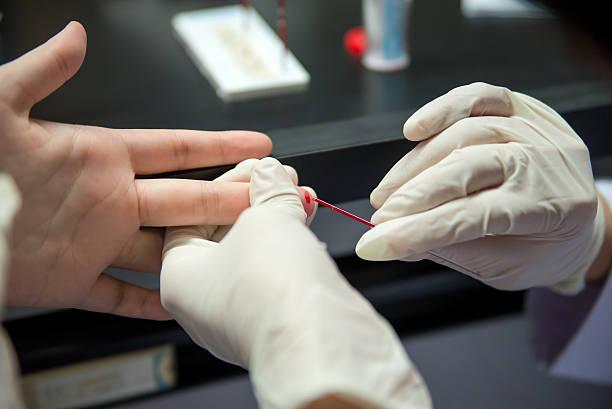
Understanding the testing process can make healthcare decisions easier. An HIV Blood Test in Dubai examines a blood sample for markers associated with HIV infection. A Blood Test in Dubai can also be used for other health investigations when recommended by a healthcare professional.
The testing process is generally straightforward, but factors such as the type of test and timing after potential exposure can affect how results are interpreted.
What Does an HIV Blood Test Look For?
HIV tests can identify different markers of infection. Depending on the laboratory method, testing may look for antibodies produced by the immune system, an HIV antigen, or viral genetic material.
Different methods have different detection periods, so the appropriate test can depend on the individual's circumstances.
Step 1: Discussing Your Testing Needs
Before sample collection, a healthcare professional may ask about your reason for testing and, when relevant, the timing of a potential exposure.
This information can help determine whether a particular test is appropriate and whether follow-up testing may be needed.
You can also ask questions about preparation, privacy, turnaround time, and how the results will be communicated.
Step 2: Providing a Blood Sample
A trained healthcare professional collects a small blood sample using standard clinical procedures. The sample is labeled appropriately before being prepared for laboratory analysis.
The collection itself is usually brief. If you have concerns about blood collection, you can discuss them with the healthcare professional beforehand.
Step 3: Laboratory Analysis
The collected sample is examined using the selected HIV testing method. Depending on the test, the laboratory may look for HIV antibodies, an antigen, or genetic material.
Laboratory procedures are designed to identify relevant markers as accurately as possible when testing is performed at an appropriate time.
Step 4: Receiving the Result
After laboratory processing is complete, the result is provided through the healthcare provider's reporting system.
The time required varies according to the laboratory and testing method. Before testing, you can ask about the expected turnaround time.
Why Test Timing Matters
An important part of HIV screening is understanding the window period. This is the period after potential infection during which a particular test may not yet be able to detect the infection reliably.
Testing too soon can therefore result in a negative finding even if infection has occurred.
Testing After a Recent Exposure
If you believe you may have been exposed to HIV recently, seek professional medical advice promptly. The healthcare professional can consider the timing and circumstances of the event when recommending testing.
In some situations, repeat testing may be appropriate.
Do HIV Blood Tests Require Fasting?
Most HIV-specific blood tests do not require fasting. However, if your appointment includes other blood investigations, those tests may have separate preparation requirements.
Follow the instructions given by your healthcare provider to ensure that all requested tests are performed correctly.
How Are HIV Results Interpreted?
Test reports may use terms such as reactive, non-reactive, positive, or negative depending on the testing system.
A non-reactive result generally indicates that the test did not detect the markers it was designed to identify at the time of testing.
A reactive screening result means that further evaluation is needed and does not automatically establish a confirmed HIV diagnosis.
Understanding a Non-Reactive Result
A non-reactive result can provide reassurance when the test was performed at an appropriate time.
If testing occurred shortly after a potential exposure, your healthcare professional may recommend additional testing because the infection may still be within the window period.
Understanding a Reactive Result
A reactive result requires appropriate follow-up and confirmatory testing. Only after the recommended confirmation process can a diagnosis be established.
If HIV infection is confirmed, healthcare professionals can discuss available treatment and ongoing care.
Is the Testing Process Confidential?
Privacy is an important consideration when seeking HIV screening. Before selecting a provider, ask how patient information, blood samples, and laboratory reports are handled.
You can also ask how your result will be communicated and what professional support is available if you have questions.
What Happens After a Confirmed Diagnosis?
If follow-up testing confirms HIV infection, healthcare professionals can discuss appropriate treatment and monitoring.
Modern HIV care can help people manage the condition effectively. Your healthcare team can also provide guidance about prevention, general health, and ongoing medical appointments.
Choosing a Testing Provider in Dubai
When selecting a testing provider, consider whether qualified healthcare professionals are available and whether the facility follows appropriate laboratory and privacy procedures.
Clear communication about testing methods, result timing, and follow-up services can also help you choose a provider that meets your needs.
Final Thoughts
An HIV Blood Test in Dubai works by analyzing a blood sample for specific markers associated with HIV infection. The process usually involves consultation, sample collection, laboratory analysis, and result reporting.
If you are concerned about a possible exposure, the timing of testing is particularly important. Speak with a qualified healthcare professional to determine the most appropriate test and follow-up schedule for your circumstances.

 English
 Arabic
 French
 Spanish
 Portuguese
 Deutsch
 Dutch
Dutch
 Italiano
 Russian
 Romaian
 Portuguese (Brazil)
 Greek
Greek
