


Teeth Cleaning in Dubai: Signs You Need a Cleaning
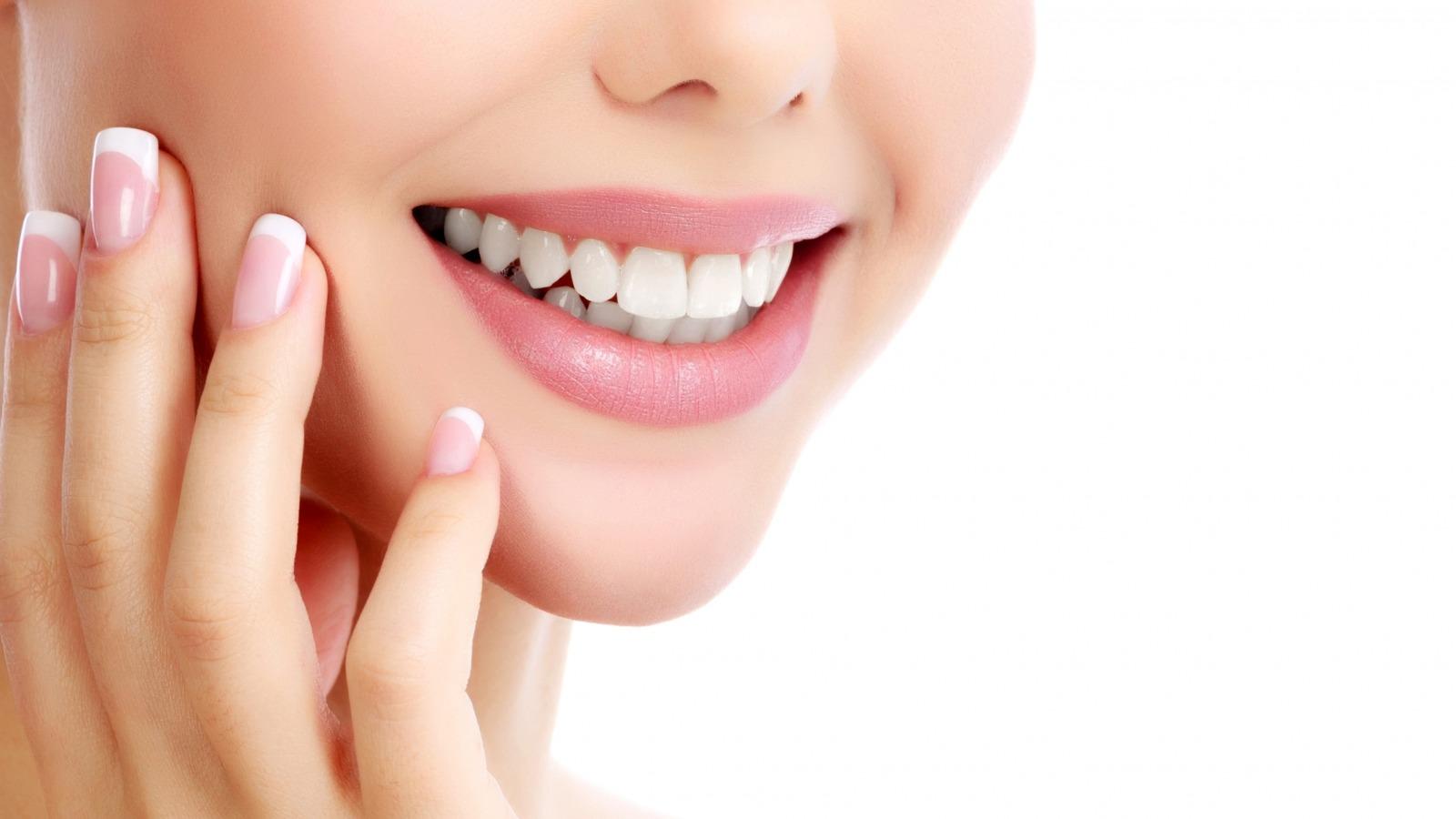
Regular oral hygiene helps keep your teeth and gums healthy, but some deposits can remain even with consistent brushing and flossing. Recognizing the signs that you may need professional care can help you address dental hygiene concerns before they become more complicated. Teeth Cleaning in Dubai can remove plaque, tartar, and certain surface stains while supporting better gum health. A qualified dental clinic in dubai can examine your mouth and determine whether routine cleaning or additional dental treatment is appropriate.
Why Is Professional Teeth Cleaning Important?
Plaque is a soft bacterial film that forms continuously on tooth surfaces. Brushing and cleaning between teeth can remove much of it, but some areas can be difficult to reach.
If plaque remains for too long, it can harden into tartar. Unlike plaque, tartar cannot normally be removed with a toothbrush.
Professional cleaning helps remove these deposits and allows the dental team to assess the condition of your teeth and gums.
Sign 1: Visible Tartar Buildup
One of the clearest signs that you may need professional cleaning is visible tartar.
Tartar can appear as yellow, brown, or hardened deposits around the gumline or between teeth. It may create a rough texture that remains even after brushing.
Once tartar has formed, professional scaling is generally required to remove it safely.
Sign 2: Persistent Bad Breath
Bad breath that continues despite regular brushing may be associated with plaque, tartar, food particles, or gum problems.
Professional cleaning can remove accumulated deposits that contribute to oral odor. However, persistent bad breath can have several causes, so a dental examination is important if the problem does not improve.
Your dentist can identify whether an oral health issue is contributing to the condition.
Sign 3: Bleeding Gums
Healthy gums generally should not bleed regularly during brushing or cleaning between teeth.
Bleeding may occur because of gum inflammation caused by plaque buildup. It can also have other causes that require professional assessment.
If your gums frequently bleed, schedule a dental examination rather than simply avoiding the area when brushing.
Sign 4: Swollen or Red Gums
Red, swollen, or tender gums can indicate inflammation.
Plaque and tartar around the gumline can irritate the tissues and contribute to gum problems. Professional cleaning may help remove the deposits involved, but advanced inflammation may require additional periodontal treatment.
Early evaluation can help determine the appropriate care.
Sign 5: Rough Teeth
If your teeth feel rough or uneven when you run your tongue over them, tartar or other deposits may be present.
Professional scaling can remove hardened deposits and leave the tooth surfaces feeling smoother.
A rough sensation that continues after cleaning may require further examination to identify the cause.
Sign 6: Increasing Surface Stains
Coffee, tea, tobacco, and strongly pigmented foods can contribute to external tooth staining.
Professional cleaning and polishing can remove some surface discoloration. However, deeper stains may not respond to routine cleaning and may require cosmetic treatment.
Your dentist can determine whether cleaning, whitening, or another approach is suitable.
Sign 7: Plaque Around the Gumline
Plaque can accumulate around the edges of the gums, particularly when brushing technique or access is limited.
If you regularly notice a sticky film around your gumline, it may be useful to have your oral hygiene assessed.
A dental professional can remove hardened deposits and show you techniques for improving daily plaque control.
Sign 8: Food Frequently Gets Stuck
Food becoming trapped between teeth can happen for several reasons, including tooth alignment, spaces between teeth, gum changes, or dental restorations.
If food regularly becomes stuck in the same areas, professional assessment can help identify the reason.
Cleaning between teeth with floss or interdental brushes can also help reduce trapped food and plaque.
Sign 9: You Have Not Had a Cleaning Recently
Some patients wait until they notice a problem before scheduling professional cleaning.
However, preventive dental care is not only for people with visible symptoms. Tartar can accumulate without causing noticeable discomfort.
Regular examinations and professional cleaning can help identify and manage buildup before it becomes more difficult to control.
Sign 10: You Have Braces
Orthodontic appliances can make plaque removal more challenging.
Brackets and wires create additional surfaces where food particles and plaque can collect. Professional cleaning may therefore be particularly useful during orthodontic treatment.
Your dentist or orthodontist can recommend how frequently you should receive professional cleaning.
Sign 11: You Smoke or Use Tobacco
Tobacco can contribute to tooth staining and increase the risk of gum problems.
People who smoke may develop more visible deposits and may require closer monitoring of their oral health.
Professional cleaning can remove some external stains and tartar, but it cannot eliminate the health effects associated with tobacco use.
Sign 12: Your Gums Are Receding
Gum recession can expose parts of the tooth that are normally covered by gum tissue.
Exposed areas may be more sensitive and can be more difficult to keep clean. Gum recession can have several causes, including gum disease and aggressive brushing.
If you notice changes in your gumline, a dentist should evaluate the area.
What Happens During a Professional Cleaning?
A routine cleaning usually begins with an examination of your teeth and gums.
The dental professional identifies plaque, tartar, staining, and other concerns. Scaling is then used to remove hardened deposits, while polishing may help reduce certain surface stains.
The dentist may also provide advice about brushing, interdental cleaning, and future appointments.
Is Teeth Cleaning Painful?
Most routine professional cleanings are well tolerated.
Some patients may experience temporary sensitivity, especially when heavy tartar is removed or when the gums are inflamed or receded.
Tell your dental professional about sensitivity before treatment so the procedure can be adjusted when appropriate.
How Often Should You Get Your Teeth Cleaned?
Cleaning frequency depends on individual oral health.
Patients with healthy gums and effective home care may require routine professional cleaning at intervals recommended by their dentist. Those with gum disease, heavy tartar buildup, braces, or other risk factors may need more frequent appointments.
A dental examination is the best way to determine your personal schedule.
Can Home Care Replace Professional Cleaning?
Daily oral hygiene is essential, but it does not always replace professional cleaning.
Brushing and interdental cleaning help control plaque, while professional scaling removes hardened tartar that cannot usually be brushed away.
Both professional and home care work together to support long-term oral health.
How to Prevent Excessive Plaque Buildup
Brush twice daily with fluoride toothpaste and clean between your teeth every day.
Use a suitable toothbrush and avoid brushing with excessive pressure. Limit frequent sugary foods and drinks and maintain regular dental examinations.
Your dentist can also recommend specific cleaning tools if you have braces, dental restorations, crowded teeth, or gum concerns.
Choosing a Dental Clinic in Dubai
When searching for Teeth Cleaning in Dubai, consider the clinic's professional qualifications, hygiene standards, equipment, experience, and approach to preventive dentistry.
A good dental provider should examine your teeth and gums before recommending treatment and explain whether routine cleaning is sufficient.
You can also ask about cleaning frequency, gum health, sensitivity, and personalized home-care recommendations.
Conclusion
Visible tartar, persistent bad breath, bleeding or swollen gums, rough tooth surfaces, staining, plaque buildup, and difficulty maintaining clean teeth can all be reasons to schedule a professional dental assessment. Even without noticeable symptoms, routine preventive care can help manage deposits and monitor your oral health.
If you are considering Teeth Cleaning in Dubai, a qualified dental clinic in dubai can evaluate your teeth and gums and recommend the appropriate cleaning plan. Combining professional care with consistent brushing, interdental cleaning, and regular dental checkups can help maintain healthier teeth and gums.

 English
 Arabic
 French
 Spanish
 Portuguese
 Deutsch
 Turkish
 Dutch
Dutch
 Italiano
 Russian
 Romaian
 Portuguese (Brazil)
