


Root Canal Treatment in Dubai: When Is It Needed?
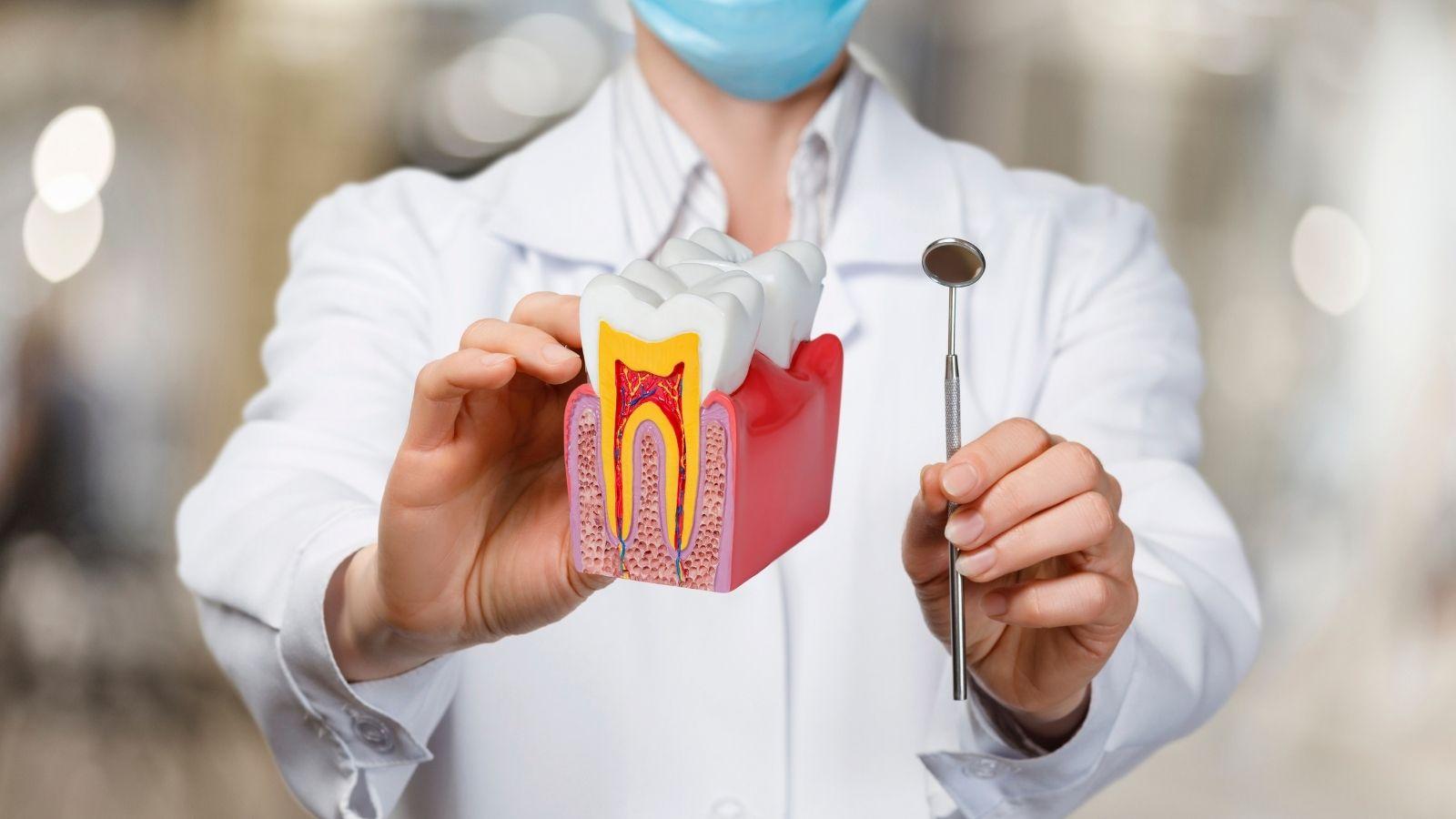
A tooth can sometimes develop problems deep inside before the damage becomes obvious. Root Canal Treatment in Dubai may be recommended when the pulp becomes severely inflamed or infected and the natural tooth can still be restored. A qualified dental clinic in dubai can examine your symptoms, perform diagnostic tests, and determine whether root canal therapy is appropriate for your condition.
What Is Root Canal Treatment?
Root canal treatment is an endodontic procedure that treats the inside of an affected tooth.
The dental pulp contains nerves and blood vessels. When bacteria enter through deep decay, cracks, fractures, or trauma, the pulp can become inflamed or infected.
During treatment, the damaged pulp is removed, the root canals are cleaned and shaped, and the canals are sealed before the tooth receives an appropriate restoration.
When Is Root Canal Treatment Needed?
A dentist may recommend root canal therapy when the pulp is no longer able to recover naturally.
The decision is based on clinical findings, symptoms, diagnostic tests, and the condition of the tooth.
Treatment is generally considered when the tooth can be adequately cleaned and restored after the infected pulp is removed.
Persistent Tooth Pain
Ongoing toothache is one of the symptoms that can lead to a root canal evaluation.
Pain may occur spontaneously, become worse when chewing, or continue for an extended period.
Tooth pain can have many causes, however, so a professional examination is needed before deciding on treatment.
Prolonged Temperature Sensitivity
Sensitivity to hot or cold can occur for different reasons.
When discomfort continues after the hot or cold stimulus has been removed, it may indicate inflammation affecting the pulp.
The dentist may perform sensitivity tests and imaging to determine whether the pulp is still healthy.
Pain While Biting
Pain when chewing or applying pressure to a tooth may be associated with pulp inflammation, infection, a crack, or inflammation around the root.
The dentist evaluates the tooth and surrounding tissues to identify the cause.
Root canal treatment may be recommended when the symptoms and diagnostic findings indicate that the pulp is infected or irreversibly damaged.
Swelling Around the Tooth
Swelling near a tooth can indicate that infection has spread into surrounding tissues.
A dental abscess may develop when bacteria move beyond the root.
Swelling should be assessed promptly because dental infections can sometimes become more extensive if left untreated.
Deep Tooth Decay
A cavity that reaches the inner part of the tooth can damage the pulp.
In early stages, decay may be treated with a filling or other conservative restoration. Once the pulp becomes severely infected or inflamed, root canal therapy may be necessary.
Early treatment of cavities can therefore help reduce the risk of extensive pulp damage.
Cracked or Fractured Teeth
A crack can provide bacteria with access to the inner structures of a tooth.
Depending on the location and severity of the crack, treatment may involve a restoration, root canal therapy, or extraction.
The dentist needs to assess whether the tooth remains structurally suitable for preservation.
Dental Trauma
An injury can damage the pulp even if the tooth does not immediately become painful.
Some trauma-related pulp problems develop gradually. Tooth discoloration, persistent sensitivity, or later discomfort should be evaluated.
Early monitoring can help identify changes in the tooth's condition.
Tooth Discoloration
A tooth that becomes darker than neighboring teeth can sometimes indicate previous trauma or pulp damage.
Discoloration alone does not prove that root canal treatment is required.
The dentist will determine the cause and evaluate the health of the pulp before recommending treatment.
Can a Tooth Need a Root Canal Without Pain?
Yes. Some infected teeth cause few noticeable symptoms.
The pulp may lose vitality without producing significant pain, while infection continues around the root.
Routine examinations and dental imaging can sometimes identify these problems before severe symptoms develop.
How Does a Dentist Diagnose the Problem?
The dentist reviews your symptoms and examines the affected tooth.
Depending on the case, X-rays and other diagnostic tests may be used to assess the roots, surrounding bone, and pulp response.
This information helps distinguish pulp infection from other causes of tooth pain.
What Happens During Treatment?
The dentist first numbs the area with local anesthesia.
An access opening is created to reach the pulp chamber. The infected or inflamed tissue is removed, and the root canals are cleaned and shaped.
The canals are then filled and sealed before the tooth is restored.
Is Root Canal Treatment Painful?
Local anesthesia is used to make the procedure comfortable.
Most patients should not experience significant pain during treatment, although pressure or vibration may be noticeable.
Some tenderness can occur afterward while the surrounding tissues recover.
How Long Does Treatment Take?
Treatment time varies depending on the tooth's anatomy and the complexity of the infection.
Some cases can be completed in one appointment, while complex teeth may require additional visits.
The dentist can provide a more accurate timeline after examining the tooth.
Why Is a Crown Sometimes Needed?
A tooth requiring root canal therapy may already have significant structural damage from decay, cracks, or previous restorations.
A crown can provide additional protection for certain teeth and restore their function.
The dentist considers the tooth's remaining structure, location, bite, and overall condition before recommending a crown.
Root Canal Treatment or Extraction?
Root canal therapy aims to preserve the natural tooth.
Extraction may be necessary when the tooth is severely fractured, cannot be restored, or has other structural problems that make successful treatment unlikely.
When both options are possible, your dentist can explain the advantages, limitations, and long-term considerations of each.
What Happens After Treatment?
Temporary tenderness is possible after root canal therapy.
Follow the dentist's instructions about oral hygiene, eating, medication, and follow-up appointments.
If a permanent crown or restoration is recommended, complete it within the advised timeframe to help protect the tooth.
What If Treatment Is Delayed?
An untreated pulp infection can potentially spread to surrounding tissues.
The condition may lead to swelling, an abscess, or other complications.
Pain can sometimes disappear when the pulp loses vitality, but this does not mean the infection has resolved.
How Can You Prevent Root Canal Problems?
Good preventive dental care can reduce the risk of deep decay and pulp damage.
Brush twice daily with fluoride toothpaste, clean between your teeth, limit frequent sugary foods and drinks, and attend regular dental examinations.
Protective mouthguards can also reduce the risk of dental injuries during contact sports.
Choosing a Dental Clinic in Dubai
When considering Root Canal Treatment in Dubai, look for a qualified dentist with relevant experience, appropriate diagnostic equipment, good hygiene standards, and a clear treatment-planning process.
Ask about the diagnosis, available alternatives, expected number of appointments, final restoration, aftercare, and total treatment cost.
A detailed consultation can help you understand whether root canal treatment is the right option.
Conclusion
Root canal treatment may be needed when deep decay, infection, trauma, cracks, or other damage causes severe inflammation or infection inside a tooth. Symptoms such as persistent pain, prolonged sensitivity, swelling, pain when biting, and tooth discoloration should be professionally evaluated.
If you are experiencing dental symptoms and considering Root Canal Treatment in Dubai, a qualified dental clinic in dubai can assess the affected tooth and recommend an appropriate treatment plan. Timely diagnosis and proper restoration can help preserve the natural tooth and support long-term oral health.

 English
 Arabic
 French
 Spanish
 Portuguese
 Deutsch
 Turkish
 Italiano
 Russian
 Romaian
 Portuguese (Brazil)
 Greek
Greek
