A natural-looking smile is about more than having bright teeth. The shape, shade, size, and proportions of each tooth all contribute to the overall appearance. Veneers can help improve these features when they are carefully planned and customized. Visiting an experienced dental clinic can help you understand which veneer option is suitable for your teeth and how a balanced result can be achieved.
Dental veneers are thin restorations designed to cover the visible surfaces of teeth. They can improve cosmetic concerns such as discoloration, minor chips, uneven edges, and small gaps while maintaining a harmonious appearance.
What Makes Veneers Look Natural?
Natural-looking veneers should complement the patient's existing facial features rather than appear noticeably artificial. Dentists consider several factors when designing the restorations, including tooth proportions, facial symmetry, gum visibility, and the appearance of neighboring teeth.
The shade also plays an important role. Extremely white teeth may not always produce the most natural result. A carefully selected shade can create brightness while maintaining a realistic appearance.
Choosing the Right Tooth Shape
Tooth shape can significantly influence the appearance of a smile. Some people may prefer softer, rounded edges, while others may benefit from a more defined shape.
The dentist considers the patient's existing teeth and facial characteristics when designing veneers. Proper proportions help ensure that the restorations look balanced with the rest of the smile.
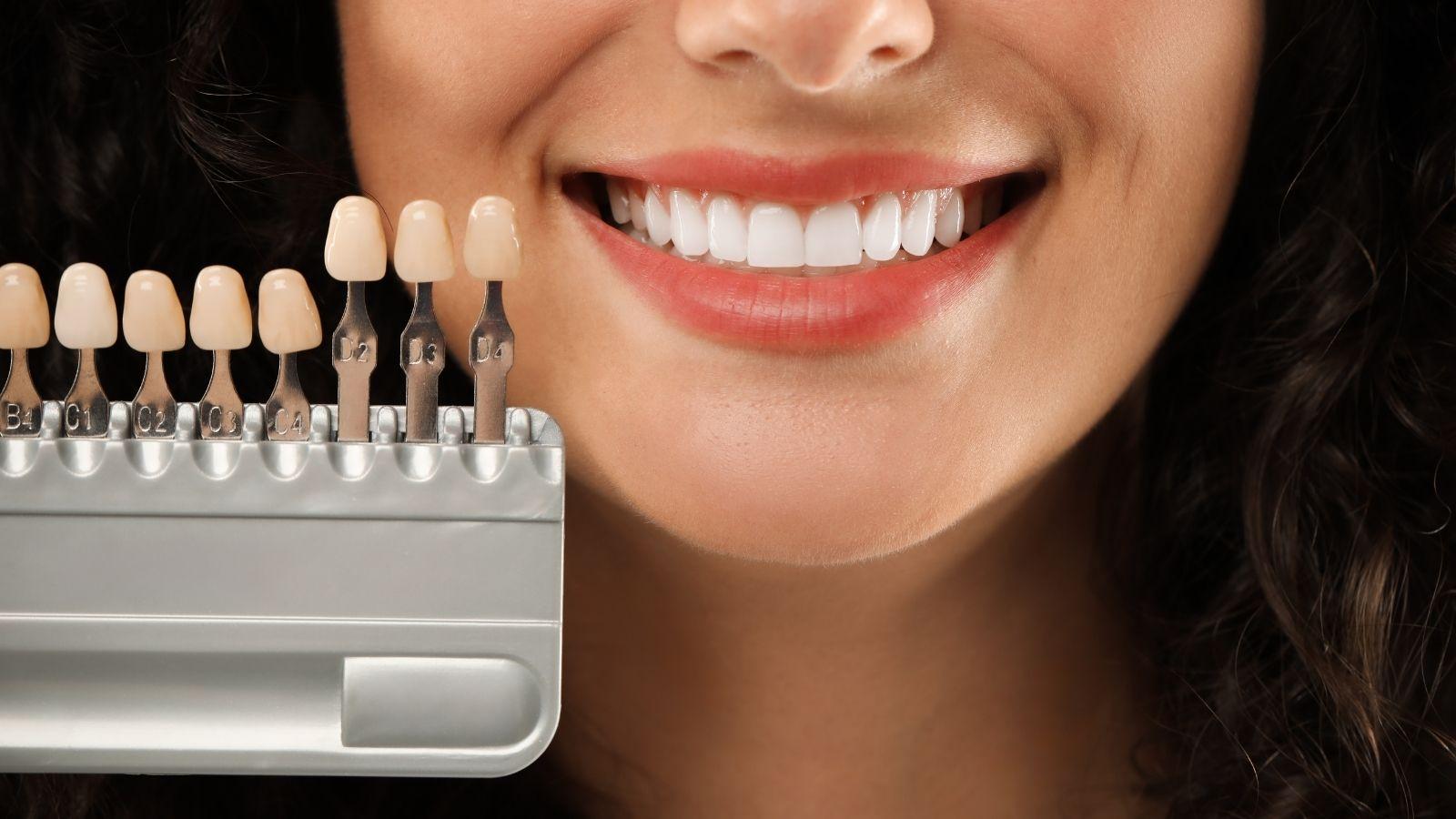
Selecting the Right Shade
The shade of veneers should be selected carefully during treatment planning. Factors such as natural tooth color, skin tone, age, facial features, and the patient's cosmetic preferences may influence the final choice.
Porcelain can provide a translucent appearance that resembles natural enamel. Composite materials can also be customized to achieve an appropriate shade when used correctly.
Porcelain vs Composite Veneers
Porcelain Veneers
Porcelain veneers are commonly chosen for their natural appearance and smooth ceramic surface. They can closely mimic the way natural enamel reflects light and are generally resistant to surface staining.
Because they are individually fabricated, the dentist and dental laboratory can carefully control their shape and appearance.
Composite Veneers
Composite veneers are created directly on the teeth using tooth-colored resin. They can offer a suitable solution for selected cosmetic concerns and may involve less preparation.
The material can be more susceptible to staining and wear, so regular maintenance is important for preserving the appearance.
How Treatment Planning Affects Results
Detailed treatment planning is one of the most important factors in achieving natural-looking veneers. Your dentist may use photographs, digital scans, impressions, or other tools to evaluate your smile.
These records can help determine the appropriate size, shape, and alignment of the restorations. The goal is to create veneers that work naturally with your existing teeth.
Can Veneers Look Too Artificial?
Veneers can sometimes appear artificial when their color, size, or shape is not properly matched to the patient. Choosing an excessively bright shade or unrealistic tooth proportions may make the restorations stand out.
Professional planning helps minimize these concerns. A dentist experienced in cosmetic dentistry can balance aesthetic improvements with natural-looking proportions.
Who Is Suitable for Natural-Looking Veneers?
Patients with healthy teeth and gums are generally better candidates for cosmetic veneer treatment. Existing cavities, gum disease, or significant structural problems may need to be addressed first.
People who grind or clench their teeth should discuss this with their dentist because excessive pressure can affect the longevity of veneers.
A dental examination is essential before treatment to determine the most appropriate approach.
Caring for Your Veneers
Good oral hygiene helps protect both veneers and the natural teeth underneath them. Regular brushing and interdental cleaning should remain part of your daily routine.
Avoid biting hard objects or using your teeth to open packaging. If you have a habit of grinding your teeth, your dentist may recommend a protective night guard.
Routine dental visits also allow your dentist to check the condition of your restorations and surrounding tissues.
How Long Do Natural-Looking Veneers Last?
The lifespan of veneers depends on the material, oral hygiene, biting habits, and professional maintenance. Proper care can help preserve their appearance and function for an extended period.
Regular examinations are useful for detecting wear, damage, or other dental concerns before they become more serious.
Final Thoughts
Veneers can provide natural-looking smile improvements when their shade, shape, size, and proportions are carefully customized. The objective should be to enhance the smile while maintaining harmony with the patient's facial features and natural teeth.
Before treatment, consult an experienced cosmetic dentist who can assess your oral health, discuss your expectations, and create a personalized plan for achieving a balanced and realistic smile.




 English
 Arabic
 Spanish
 Portuguese
 Deutsch
 Turkish
 Dutch
Dutch
 Italiano
 Russian
 Romaian
 Portuguese (Brazil)
 Greek
Greek
