


Skin Treatment Myths vs. Facts: What Should You Actually Believe?
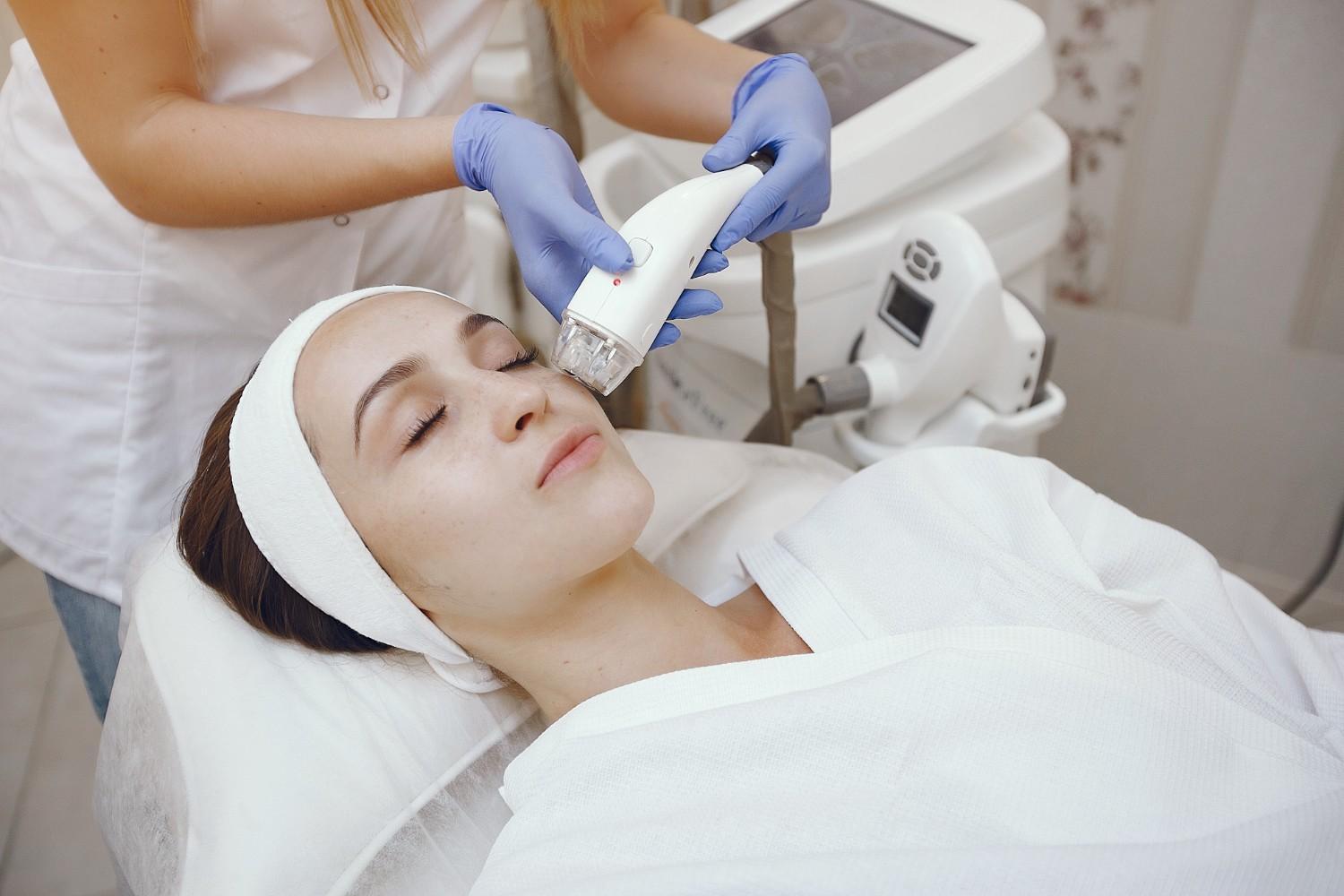
What if some of the skincare advice you have followed for years is simply wrong? From the belief that stronger treatments always work better to the idea that oily skin does not need moisturizer, skincare is surrounded by assumptions that sound convincing but can lead to poor decisions.
Understanding what is fact and what is fiction can make professional skincare much easier to navigate. A suitable skin treatment should be selected according to your skin condition, concerns, tolerance, and goals rather than social media trends or exaggerated promises.
Myth: Professional Skin Care Is Only for Serious Skin Problems
Many people associate professional care with severe acne, major pigmentation, or advanced signs of aging. In reality, people may seek professional advice for a wide range of concerns.
Someone might want help managing occasional congestion, persistent dullness, uneven texture, dehydration, or early signs of skin aging. Others may simply want guidance on building a more appropriate skincare routine.
Professional evaluation does not automatically mean undergoing an intensive procedure. Sometimes the most useful recommendation may involve simplifying your routine or improving daily skin protection.
The purpose of skin treatment should be based on the individual's needs rather than the assumption that professional care is only appropriate when a problem becomes severe.
Myth: More Intense Treatments Always Produce Better Results
It is easy to assume that a stronger peel, deeper exfoliation, or more intensive procedure must produce superior results. However, skin does not necessarily respond better to greater intensity.
Every complexion has a different tolerance. Excessive treatment can cause redness, dryness, irritation, or disruption of the skin barrier. These effects may make the original concern even harder to manage.
A well-selected skin treatment balances effectiveness with safety and recovery. The ideal approach is not the most aggressive option available but the one that appropriately addresses the concern without unnecessary stress on the skin.
Myth: Oily Skin Does Not Need Moisturizer
Shiny skin can create the impression that adding moisture is unnecessary. However, oil and hydration are not the same thing.
Oily skin can still become dehydrated, especially after excessive cleansing or the use of harsh products. When the skin feels stripped, people may respond by using even stronger oil-control products, potentially creating more discomfort.
A suitable moisturizer can support the skin barrier without necessarily making oily skin feel greasy. Lightweight and non-comedogenic formulations may be more comfortable for people who are prone to clogged pores.
The goal is balance rather than removing every trace of natural oil.
Myth: Natural Ingredients Are Always Safer
The word "natural" can create a sense of security, but natural substances can still irritate the skin. Essential oils, botanical extracts, fragrances, and other plant-derived ingredients may cause sensitivity in some individuals.
Safety depends on the specific ingredient, concentration, formulation, skin condition, and individual response.
Similarly, synthetic ingredients are not automatically harmful simply because they are laboratory-made. Many skincare ingredients have been carefully formulated for specific purposes.
When choosing a skin treatment, focus on suitability and evidence rather than assuming that natural or synthetic automatically means better.
Myth: You Should Feel Burning for a Treatment to Work
A burning sensation is sometimes mistaken for proof that an active ingredient or procedure is effective. This can encourage people to tolerate unnecessary discomfort.
Mild sensations may occur with certain products or procedures, but significant burning, persistent stinging, swelling, or severe redness should not automatically be considered a positive sign.
Pain or irritation does not prove that a treatment is producing better results. In some circumstances, it can indicate that the skin is reacting adversely.
Professional guidance is particularly valuable when using active ingredients or procedures that may affect sensitive skin.
Myth: One Treatment Can Fix Every Skin Concern
Modern skincare can offer many useful options, but no single procedure is guaranteed to address every concern at once.
Acne, pigmentation, dryness, scarring, uneven texture, and visible aging can have different causes and may require different approaches. Attempting to treat everything simultaneously can also increase irritation.
A personalized skin treatment plan prioritizes concerns according to their cause, severity, and the individual's goals.
Sometimes the best strategy involves addressing one issue first and introducing additional care later.
Myth: Results Should Be Visible Immediately
Quick results are attractive, especially when advertisements make dramatic promises. However, many skin changes occur gradually.
Some treatments may produce an immediate improvement in hydration or surface smoothness, while other outcomes depend on repeated sessions or gradual skin renewal.
The timeline can depend on age, skin type, concern, treatment method, lifestyle, and adherence to aftercare.
Expecting overnight transformation can encourage unnecessary treatment switching. A better approach is to understand the expected timeline before beginning any professional procedure.
Myth: Sunscreen Is Only Necessary on Sunny Days
Ultraviolet exposure is not limited to extremely bright summer days. Sun protection is an important part of everyday skin care because cumulative exposure can contribute to pigmentation and visible skin aging.
Cloudy conditions do not automatically eliminate ultraviolet exposure. People who spend time outdoors should consider appropriate broad-spectrum protection as part of their routine.
Sunscreen is especially important when managing pigmentation or following certain procedures that may temporarily make the skin more sensitive.
A professional skin treatment plan can provide improvement, but daily protection helps support those efforts.
Myth: Acne Treatments Should Make Your Skin Extremely Dry
The idea that dry, tight skin means acne treatment is working can lead people to overuse harsh products.
Acne-prone skin still needs an intact protective barrier. Excessive dryness and irritation can make the complexion uncomfortable and may encourage people to abandon treatment altogether.
A balanced approach can focus on managing breakouts while preserving adequate hydration. Gentle cleansing and appropriate moisturization can be valuable parts of an acne-focused routine.
If acne remains persistent or severe, professional evaluation can help determine whether a more targeted approach is needed.
Myth: Skin Care Is Only About Appearance
Skin care is often discussed in purely cosmetic terms, but the skin is also the body's largest organ and serves important protective functions.
Maintaining the skin barrier helps protect against environmental factors and reduce excessive moisture loss. Persistent irritation, severe inflammation, or unusual skin changes may also indicate a need for medical evaluation.
This is why professional skin treatment should not be viewed only as a way to improve appearance. In appropriate circumstances, it can also support better understanding and management of ongoing skin concerns.
Myth: You Can Copy Someone Else's Treatment Plan
A friend's glowing results or a social media influencer's routine can make a particular procedure seem universally effective. However, different skin types can respond differently to the same approach.
Age, sensitivity, pigmentation, acne history, medications, previous procedures, and lifestyle can all affect treatment suitability.
A routine that works for one person may cause irritation or produce little improvement in another.
Personalization is therefore one of the most important considerations when selecting professional care.
Myth: Expensive Skincare Automatically Means Better Skincare
Price alone does not determine whether a product is appropriate. An expensive product may still be unsuitable for your skin, while a simpler formulation may meet your needs effectively.
The same principle applies to professional procedures. Cost should not be the only factor used to judge quality or suitability.
Instead, consider what concern is being addressed, what results are realistic, what evidence supports the approach, and whether the procedure is appropriate for your skin.
Good skincare is about suitability, consistency, and informed decision-making rather than simply spending more.
Myth: Professional Care Eliminates the Need for Home Skincare
Even an effective procedure does not remove the need for daily skin maintenance.
Cleansing, moisturizing, sun protection, and appropriate products can help support the skin between professional appointments. Aftercare may be particularly important following certain procedures.
A professional skin treatment should ideally fit into a broader skincare strategy rather than being treated as a replacement for everyday care.
The exact home routine may need to change depending on the procedure, so following professional instructions is important.
Myth: Everyone Needs the Same Treatment Schedule
There is no universal calendar for professional skin care. Some people may benefit from occasional sessions, while others may need a structured series of treatments.
Frequency can depend on the procedure, skin sensitivity, concern being addressed, recovery time, and individual goals.
More frequent treatment is not automatically better. The skin needs sufficient time to recover from procedures that affect its surface or deeper layers.
A qualified professional can recommend a schedule based on your specific situation rather than a generic timetable.
Myth: Skincare Trends Are Always Based on Science
Viral skincare techniques can spread quickly, but popularity does not guarantee effectiveness or safety.
Some trends may be harmless, while others can encourage excessive exfoliation, inappropriate ingredient combinations, or unverified procedures.
Before adopting a new technique, consider whether there is credible evidence supporting it and whether it is suitable for your skin.
Professional guidance can be especially helpful when a trend involves strong active ingredients or procedures that may cause irritation.
Making Smarter Treatment Decisions
The best way to avoid skincare myths is to ask questions. Find out what a procedure is designed to accomplish, what results are realistic, how long improvement may take, and what risks or recovery requirements exist.
Be cautious about claims promising permanent perfection or dramatic results with no maintenance. Healthy skin naturally changes over time, and professional care has limitations.
A good skin treatment plan should be understandable and individualized. You should know why a particular option has been recommended and what role it plays in your overall skincare strategy.
When Professional Advice Becomes Especially Important
Some concerns should not be managed purely through cosmetic experimentation. Rapidly changing lesions, unexplained rashes, severe inflammation, painful acne, bleeding spots, or persistent symptoms may require medical assessment.
Trying multiple cosmetic products without understanding the underlying problem can delay appropriate care.
If a skin concern is new, worsening, painful, or unusual, seek evaluation from a qualified healthcare professional rather than assuming it is simply a cosmetic issue.
Conclusion
Skincare becomes less confusing when common myths are replaced with realistic expectations. Stronger does not always mean better, oily skin can still need hydration, natural ingredients are not automatically safer, and immediate results are not guaranteed.
The most appropriate skin treatment depends on individual skin type, concerns, tolerance, lifestyle, and goals. Professional guidance can help separate useful options from unnecessary trends while reducing the temptation to copy someone else's routine.
Instead of chasing dramatic promises, focus on evidence, consistency, sun protection, and personalized care. A thoughtful approach can help you make safer and more practical decisions about your skin.
FAQs
Does irritation mean a skincare product is working?
No. Irritation is not proof of effectiveness. Burning, persistent stinging, significant redness, or swelling may indicate that the product or procedure is unsuitable or being used incorrectly.
Are expensive professional treatments always more effective?
Not necessarily. Effectiveness depends on whether the approach is appropriate for the specific concern, skin condition, and individual goals. Price alone cannot determine suitability.
Can I use a friend's skincare routine if we have similar skin?
Having similar skin types does not guarantee identical treatment needs. Differences in sensitivity, acne history, pigmentation, medications, and lifestyle can affect how the skin responds.
Why is sun protection important after professional skin care?
Sun exposure can contribute to pigmentation and visible skin damage. Protecting the skin can help reduce additional environmental stress and support the maintenance of treatment results.

 English
 Arabic
 French
 Spanish
 Portuguese
 Deutsch
 Turkish
 Dutch
Dutch
 Italiano
 Russian
 Romaian
 Portuguese (Brazil)
