


Posterior Root Canal: Causes and Treatment Options
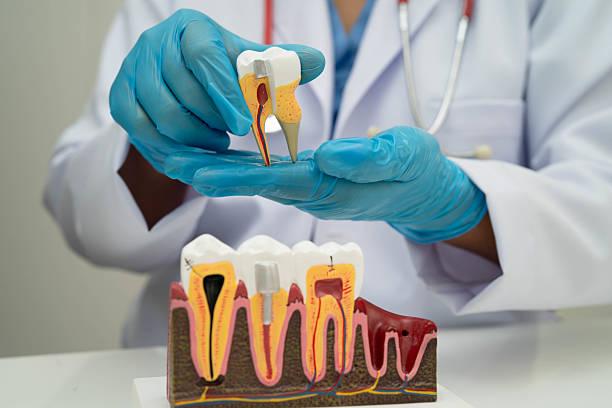
A Posterior Root Canal in Dubai may be recommended when infection or inflammation affects the inner pulp of a molar or premolar. Since back teeth handle substantial chewing pressure, timely treatment can help preserve the natural tooth and restore comfortable oral function.
What Causes Posterior Tooth Infection?
Several dental problems can allow bacteria to reach the pulp inside a posterior tooth. Identifying the underlying cause can help the dentist determine the appropriate treatment.
Deep Tooth Decay
Untreated cavities can gradually move through the outer layers of a tooth and eventually reach the pulp. Once bacteria enter the inner tissue, inflammation or infection may develop.
Cracked or Damaged Teeth
A crack can create an opening through which bacteria enter the deeper parts of the tooth. Depending on its severity, the damage may affect the pulp and surrounding tissues.
Dental Trauma
An injury to a tooth can damage the pulp even when there is no obvious external fracture. Symptoms may develop immediately or appear later.
Repeated Dental Procedures
A tooth that has undergone multiple restorations or other procedures may become more susceptible to pulp irritation or damage.
What Are the Warning Signs?
A posterior tooth requiring treatment may cause persistent toothache, sensitivity to hot or cold foods, discomfort when chewing, swelling around the gums, tenderness, or tooth discoloration.
Some infections may have few noticeable symptoms. Regular dental examinations can therefore be useful for identifying dental problems before they become more advanced.
If you experience persistent symptoms, visiting a trusted Dental Clinic in Dubai can help determine the cause through a professional examination and appropriate imaging.
What Treatment Options Are Available?
Root Canal Treatment
When the pulp is infected or severely inflamed but the tooth can still be restored, root canal therapy may be recommended. The dentist removes the affected pulp, cleans the canals, and seals them.
Dental Restoration
After root canal treatment, the tooth needs to be restored. Depending on the remaining structure, this may involve a filling or dental crown.
Tooth Extraction
If a tooth is severely fractured, extensively damaged, or cannot be predictably restored, extraction may sometimes be considered. Your dentist will assess the tooth before recommending this option.
How Does Posterior Root Canal Treatment Work?
The dentist first examines the tooth and may take X-rays to understand its root and canal structure. Local anesthesia is then used to keep the treatment area comfortable.
An opening is created in the tooth so the infected pulp can be removed. The root canals are cleaned, disinfected, and shaped before being filled and sealed. Finally, the tooth is restored to help protect it during normal chewing.
Benefits of Treating the Tooth Early
Early professional evaluation can help identify infection before it progresses further. When root canal therapy is suitable, it may allow the natural tooth to be preserved instead of extracted.
Keeping the natural tooth can help maintain chewing function and reduce changes to the surrounding teeth.
Is Posterior Root Canal Treatment Painful?
The procedure is generally performed under local anesthesia, which helps minimize discomfort during treatment. Mild tenderness or sensitivity may occur afterward as the surrounding tissues recover.
Following the dentist's aftercare instructions can support recovery. Severe or persistent symptoms should be evaluated by a dental professional.
What Happens After Treatment?
A posterior tooth may require additional protection after root canal therapy, particularly when significant tooth structure has been lost. A dental crown may be recommended to reduce the risk of fracture.
Patients should maintain good oral hygiene, avoid excessive pressure on the tooth until advised otherwise, and attend follow-up appointments as recommended.
How Can You Prevent Future Tooth Problems?
Regular dental examinations can help identify cavities and other concerns at an early stage. Brushing twice daily with fluoride toothpaste, cleaning between teeth, and limiting frequent sugary foods and drinks can support healthier teeth.
Seeking dental care when symptoms first appear can also help prevent minor problems from developing into more complicated conditions.
Final Thoughts
The causes of a Posterior Root Canal in Dubai can include deep decay, cracks, trauma, and repeated dental treatment. Depending on the condition of the tooth, root canal therapy, restoration, or other treatment may be considered. A professional dental examination is essential for determining the most appropriate option.

 English
 Arabic
 Spanish
 Portuguese
 Deutsch
 Turkish
 Dutch
Dutch
 Italiano
 Russian
 Romaian
 Portuguese (Brazil)
 Greek
Greek
