Hearing that you may need dental treatment can sometimes feel stressful, especially when you are unsure what will happen during the appointment. Root Canal Treatment is a common procedure used to treat infection or inflammation inside a tooth while helping preserve the natural tooth.
The treatment involves several stages, including diagnosis, removal of damaged pulp, cleaning of the root canals, sealing, and restoration. Knowing what happens at each stage can make the process easier to understand.
If you have persistent tooth pain, sensitivity, or swelling, visiting a professional dental clinic in Dubai can help identify the cause and determine whether root canal therapy is necessary.
What Happens Before Treatment?
Before starting treatment, your dentist examines the affected tooth and discusses your symptoms. You may be asked when the pain started, what triggers it, and whether you have noticed swelling or sensitivity.
Dental X-rays or other diagnostic tests may be used to evaluate the roots, surrounding bone, and internal condition of the tooth.
Understanding Your Diagnosis
Your dentist will explain whether the pulp is infected or severely inflamed and whether the tooth can be restored.
Not every toothache requires root canal therapy. Some symptoms can result from cavities, gum problems, cracks, or other dental conditions. Proper diagnosis helps ensure that you receive the appropriate treatment.
Preparing for the Procedure
Before treatment begins, the affected area is prepared and local anesthesia is administered. This numbs the tooth and surrounding tissues to help keep the procedure comfortable.
Your dentist will make sure the area is sufficiently numb before accessing the inside of the tooth.
Accessing the Tooth
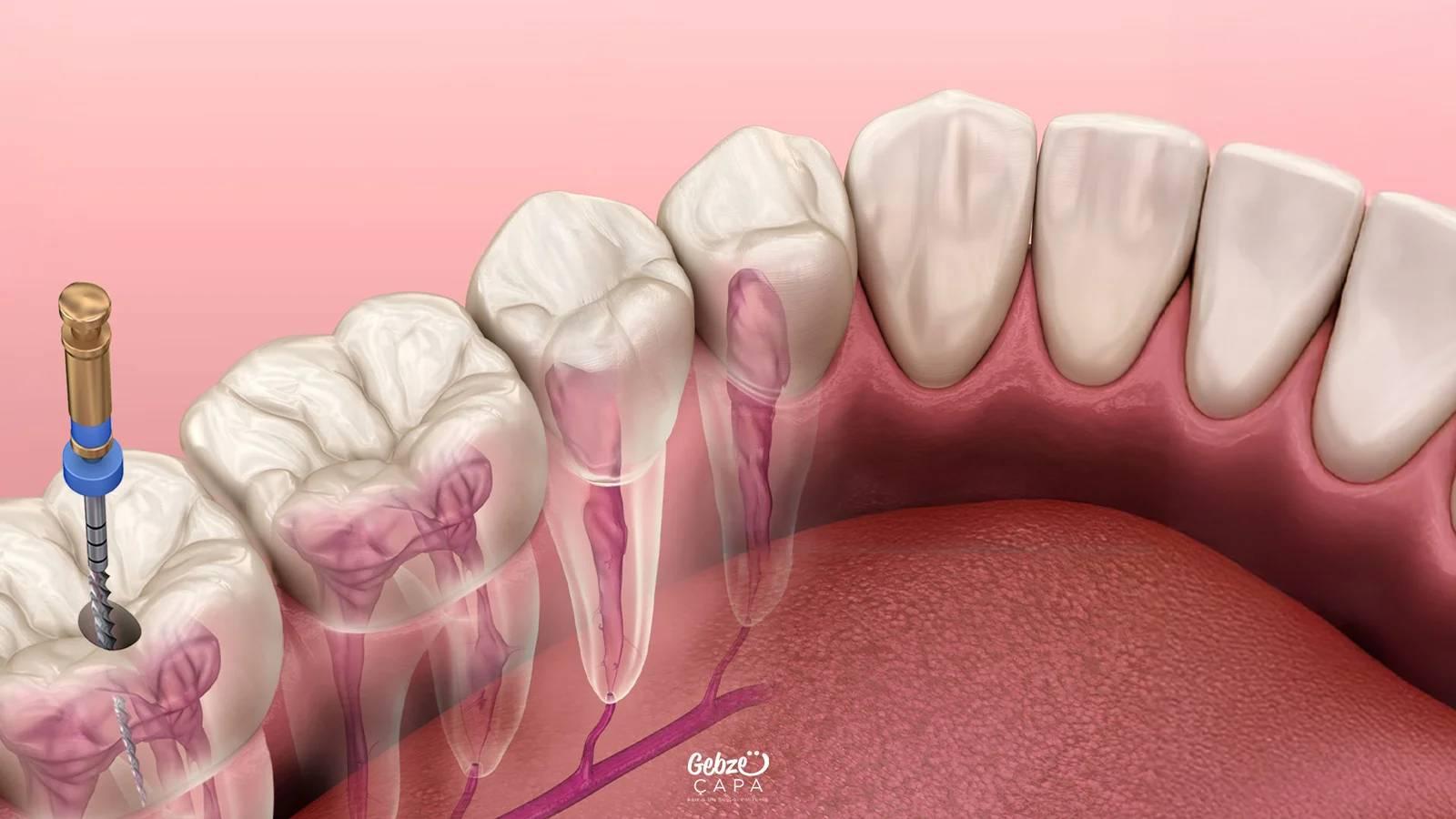
The dentist creates a small opening in the tooth to reach the pulp chamber and root canals.
This opening provides access to the infected or inflamed tissue and allows the dentist to begin cleaning the internal canal system.
Removing the Infected Pulp
The damaged pulp is carefully removed from inside the tooth. The pulp contains nerves and blood vessels, so removing infected tissue eliminates the primary source of inflammation.
The dentist then prepares the canals for thorough cleaning.
Cleaning the Root Canals
The root canals are cleaned and shaped to remove bacteria, infected tissue, and debris.
This step is important because the internal canal system must be properly prepared before it can be sealed.
Filling and Sealing the Canals
After the canals have been cleaned, they are filled with a specialized material and sealed.
The purpose of this step is to reduce the possibility of bacteria entering the treated canal system again.
Does Root Canal Treatment Hurt?
Modern root canal therapy is performed using local anesthesia, which helps minimize discomfort during the procedure.
Some patients experience pressure during treatment and mild tenderness afterward. If you feel pain during the procedure, inform your dentist so additional anesthesia can be considered.
How Long Is the Appointment?
Treatment time varies according to the type of tooth, number of canals, severity of infection, and complexity of the case.
Some root canal procedures can be completed in one visit, while others require multiple appointments.
What Happens After the Procedure?
The treated tooth may feel tender for a short period. Your dentist may recommend avoiding hard foods until the tooth receives its permanent restoration.
Continue following your dentist's instructions regarding oral hygiene, medication, eating, and follow-up visits.
Why Might You Need a Crown?
A tooth that has undergone root canal therapy may have lost significant structure because of decay or previous damage. A crown can provide additional protection against fractures in suitable cases.
Your dentist will assess the remaining tooth structure and recommend the most appropriate restoration.
What Should You Avoid After Treatment?
Avoid biting hard objects and putting excessive pressure on the treated tooth before the final restoration is completed.
Maintaining good oral hygiene remains important. Brush regularly and clean between your teeth while following any specific instructions from your dentist.
When Should You Contact Your Dentist?
Mild tenderness can occur after treatment, but severe or increasing pain, swelling, fever, or unusual symptoms should be reported.
Your dentist can determine whether the symptoms are part of normal recovery or whether further assessment is required.
Final Thoughts
Root Canal Treatment involves a structured process designed to remove infection, clean the internal canals, seal the tooth, and restore its function. Understanding what happens before, during, and after the procedure can help you feel more prepared.
If you have persistent dental pain or sensitivity, do not delay professional assessment. A qualified dentist can explain your diagnosis, treatment options, expected recovery, and restoration needs before beginning the procedure.




 English
 Arabic
 French
 Spanish
 Portuguese
 Deutsch
 Turkish
 Dutch
Dutch
 Italiano
 Romaian
 Portuguese (Brazil)
 Greek
Greek
