


How Much Does a Wooden Fence Cost to Install? Materials, Labor, and Extra Fees Explained
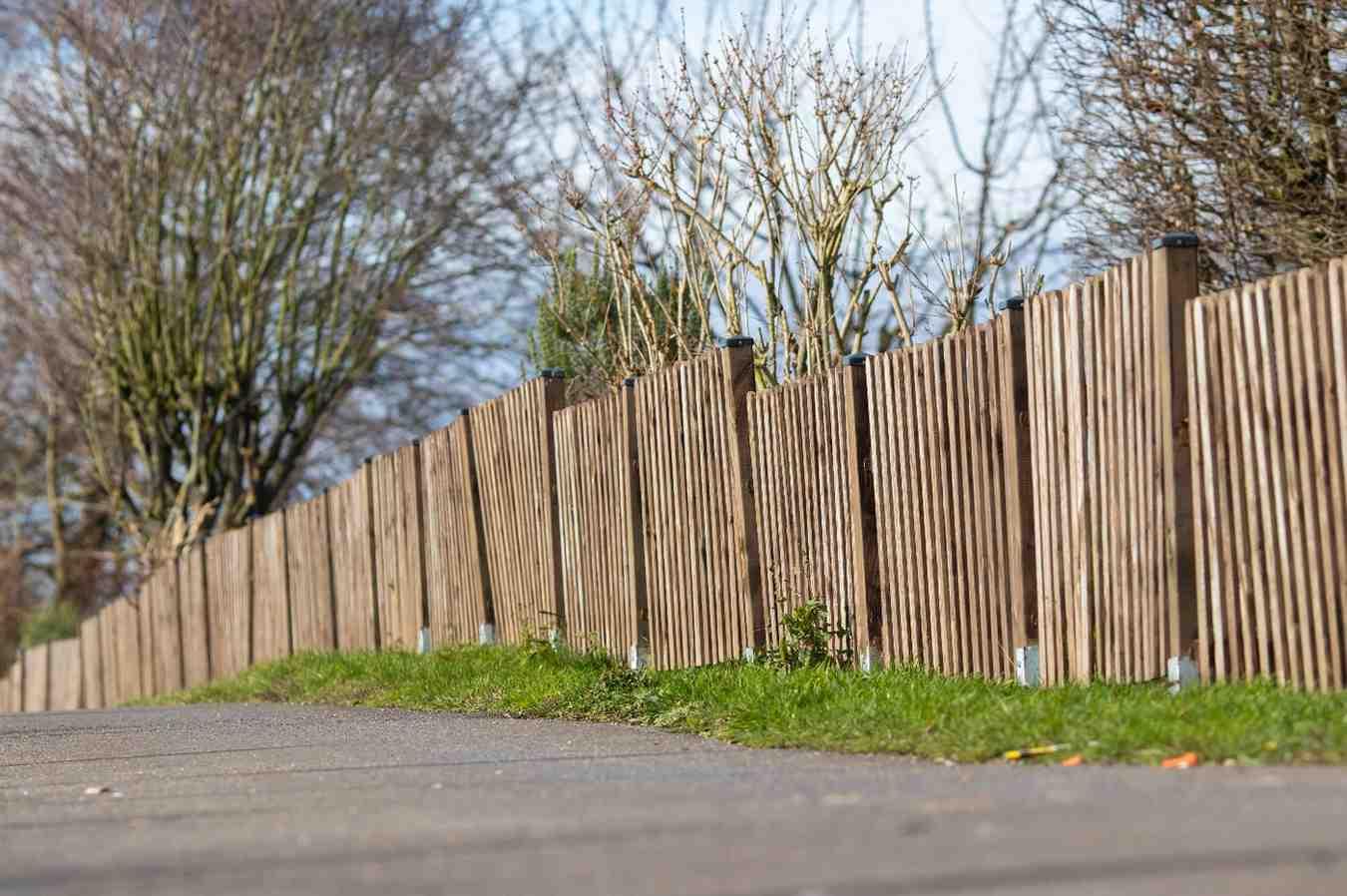
Installing a new fence is a significant home improvement project, and understanding the expenses beforehand can make budgeting much easier. While homeowners often begin by checking lumber prices, the final installation bill includes several other components.
The wooden fence cost depends on the size of the project, wood species, fence style, labor, gates, property conditions, and additional services. A simple installation on level ground can have very different expenses from a customized fence installed on a difficult property.
Understanding each part of the installation price can help you compare estimates and plan your project with greater confidence.
What Is Included in a Fence Installation?
A complete fencing project typically involves more than attaching boards to posts. Materials may include fence boards, posts, rails, fasteners, concrete or other post-setting materials, and gate hardware.
Labor covers measuring, marking, digging post holes, setting posts, installing rails and boards, fitting gates, and completing the final cleanup.
Some projects may also require fence removal, vegetation clearing, grading, staining, sealing, or other preparation work.
Before accepting an estimate, ask exactly what is included. This makes it easier to understand the complete wooden fence cost.
Material Expenses
The type and quantity of materials have a direct effect on the project price.
Pressure-treated pine may provide a more economical starting point, while cedar, redwood, and other premium wood species can increase material expenses.
Fence style also affects the amount of lumber required. A solid privacy fence typically uses more boards than an open picket design.
Posts, rails, fasteners, brackets, and other structural components should also be included in your calculation. Looking only at the visible fence boards can result in an unrealistic budget.
Labor and Installation Expenses
Professional installation can represent a substantial portion of the total project price.
Labor costs depend on the fence length, design, height, terrain, soil conditions, accessibility, and local rates. A straightforward installation can generally be completed more efficiently than a project involving slopes, rocks, roots, or complicated layouts.
Some contractors charge by linear foot, while others provide a complete project price.
When comparing estimates, focus on the total installed wooden fence cost rather than comparing labor rates separately.
How Fence Length Changes Installation Cost
The amount of fencing required has a direct relationship with both materials and labor.
A short fence may require fewer posts, boards, and installation hours. A larger project requires more of nearly every component.
Measure each section of the proposed fence line and add the lengths together. If you are replacing an existing fence, do not assume that the old fence dimensions automatically represent the new project requirements.
Accurate measurements can help you avoid purchasing unnecessary materials or receiving an estimate based on incorrect assumptions.
The Effect of Fence Height
Height affects material requirements and may also influence installation difficulty.
A taller privacy fence uses more boards and may require larger or stronger structural components. It can also take longer to install.
If privacy is your primary goal, the additional wooden fence cost may be justified. However, if you simply want to define a property boundary, a shorter design could provide the necessary function at a lower expense.
Check local regulations before finalizing the height because restrictions may apply in certain areas.
How Fence Style Affects Installation
Fence style can influence both materials and labor.
Traditional picket fences, privacy fences, horizontal board fences, shadow-box designs, and decorative structures all have different construction requirements.
A simple repetitive design may be quicker to install than a customized fence with decorative cuts, unusual spacing, or complex framing.
When requesting estimates, specify the exact style you want. This helps contractors provide comparable pricing and reduces the possibility of changes later.
Gates Can Increase the Project Total
Gates require additional materials and labor, so they should always be included in the initial budget.
A pedestrian gate may require posts, framing, hinges, and a latch. A wider access gate may require heavier construction and additional hardware.
The number of gates also matters. If you need multiple access points, your total wooden fence cost will increase accordingly.
Ask contractors to list gate expenses separately so you can understand their contribution to the overall project.
Removing an Existing Fence
If an old fence is already present, removal may be charged separately from installation.
The expense depends on the length and construction of the old fence, the condition of its posts, disposal requirements, and how easily workers can access the site.
Some contractors offer removal and installation as a combined service, while others itemize both tasks.
Always clarify whether old fence removal and debris disposal are included in the quoted wooden fence cost.
Site Preparation and Difficult Terrain
The condition of the property can have a major effect on installation expenses.
Rocky soil can make post-hole digging more difficult. Tree roots may need to be worked around or removed. Sloped terrain may require specialized construction techniques.
Dense vegetation, retaining walls, sheds, narrow side yards, and other obstacles can also increase installation time.
These conditions are difficult to account for using a simple per-foot estimate. A site inspection can provide a more realistic understanding of the work involved.
Staining and Sealing Expenses
Wood fencing may benefit from staining or sealing depending on the material, climate, and desired appearance.
Some homeowners choose to have the fence finished immediately after installation, while others complete the work later.
Finishing costs depend on the fence size, product selected, preparation requirements, and labor.
If staining or sealing is important to you, ask whether it is included in the estimate or charged separately. Otherwise, your final wooden fence cost may exceed your original budget.
Permits and Property Requirements
Depending on your location and project circumstances, permits or approvals may be required.
Rules can vary according to fence height, location, property boundaries, visibility, neighborhood requirements, and other factors.
Homeowners should determine applicable requirements before construction begins. If a contractor handles permit-related work, confirm whether associated fees are included in the project estimate.
Ignoring these requirements can create delays and unexpected expenses.
Why Professional Quotes Can Differ
It is common for different contractors to provide different prices for what appears to be the same fence.
Several factors can explain these differences. Contractors may use different wood grades, post specifications, installation methods, finishing products, or labor assumptions.
One quote may include removal, staining, and cleanup while another may exclude them.
Instead of automatically choosing the lowest wooden fence cost, compare what each proposal actually includes. A slightly higher quote may provide more complete service or better specifications.
How to Compare Installation Estimates
Ask each contractor to quote the same project specifications.
Provide the same fence length, height, wood species, style, number of gates, and finishing preferences.
Check whether each estimate includes:
-
Materials
-
Posts and rails
-
Hardware
-
Labor
-
Gate installation
-
Old fence removal
-
Disposal
-
Site preparation
-
Staining or sealing
-
Cleanup
Comparing equivalent estimates gives you a clearer picture of the actual project value.
Ways to Manage Installation Expenses
You can often control project expenses through careful planning.
Start by selecting a practical design rather than adding unnecessary decorative features. Consider whether every part of the property needs fencing.
Compare wood species and choose one that meets your appearance and durability requirements without exceeding your budget.
Scheduling the project when contractors are less busy may sometimes provide additional flexibility, although availability and pricing vary by location.
Most importantly, establish your complete budget before work begins and discuss potential additional charges with the installer.
What Should You Budget for Future Maintenance?
Installation is only the beginning of the ownership cost. Wood fences may require periodic cleaning, staining, sealing, and repairs.
The frequency depends on the wood species, climate, exposure, installation quality, and maintenance practices.
Budgeting for these tasks can help you protect your investment and keep the fence looking attractive.
When evaluating wooden fence cost, consider both the initial installation and the expenses that may occur throughout the fence's service life.
Conclusion
The total wooden fence cost includes much more than the price of lumber. Materials, labor, fence dimensions, design, gates, site conditions, removal, finishing, and other services can all affect the final installation bill.
The most reliable way to plan your project is to establish your fence specifications, measure the required area, identify potential site challenges, and obtain detailed estimates from qualified installers.
Do not compare quotes based solely on the final number. Review what each contractor includes, ask about potential additional charges, and consider future maintenance as part of your overall budget.
With careful planning and a clear understanding of installation expenses, you can choose a wood fence that meets your needs without creating unnecessary financial surprises.
Frequently Asked Questions
Does labor significantly affect wooden fence installation cost?
Yes. Labor can represent a substantial part of the total project, especially when the property has difficult terrain, complicated access, or a customized design.
Are gates included in most fence estimates?
They may be, but not always. Ask for gates to be listed separately so you know exactly how much they contribute to the total project.
Does removing an old fence cost extra?
It can. Some contractors include removal and disposal in their installation quote, while others charge separately.
Can difficult terrain increase installation expenses?
Yes. Rocky soil, tree roots, slopes, dense vegetation, and limited access can increase labor time and may require additional equipment or preparation.
How can I avoid unexpected installation charges?
Request a detailed written estimate and ask about every potential additional expense, including removal, site preparation, gates, finishing, permits, delivery, and cleanup.

 English
 Arabic
 French
 Spanish
 Portuguese
 Deutsch
 Turkish
 Dutch
Dutch
 Italiano
 Russian
 Romaian
 Greek
Greek
