


HIV Test: Complete Guide to the Testing Process
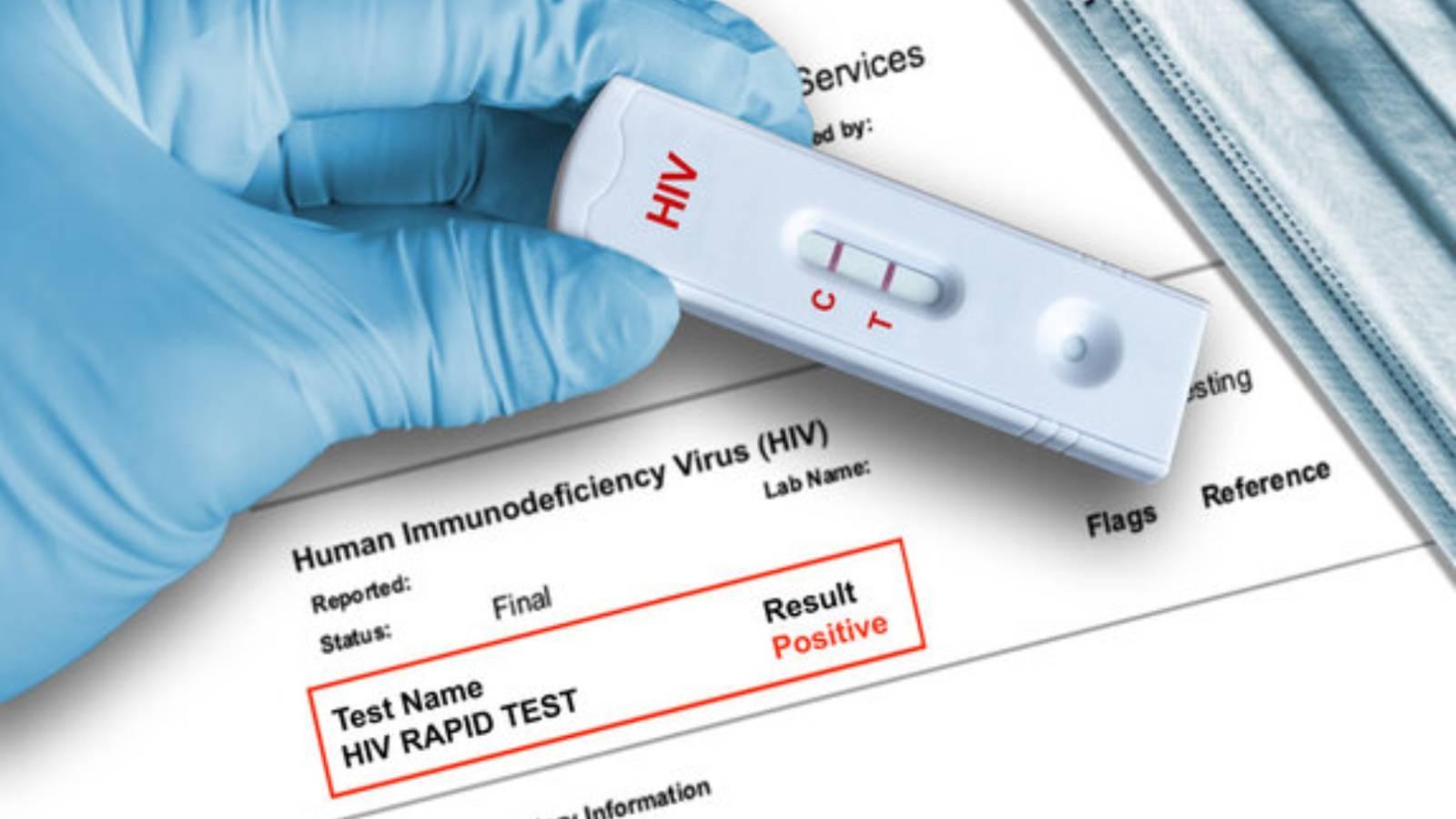
An HIV test is a screening procedure used to determine whether signs of human immunodeficiency virus are present in a person's sample. If you are considering an HIV Test in Dubai, understanding each stage of the testing process can make screening easier and less stressful.
The exact procedure depends on the test being used. Some tests detect HIV antibodies, while combination tests can detect both antibodies and the p24 antigen. Other specialized tests can identify HIV genetic material.
Why Is HIV Testing Important?
HIV can sometimes remain without obvious symptoms, meaning a person may not know they have an infection. Testing provides a way to determine HIV status rather than relying on symptoms alone.
Early detection can help people seek appropriate medical care and receive professional guidance about treatment and ongoing health management.
STD Test in Dubai and HIV Screening
An STD Test in Dubai may include screening for multiple sexually transmitted infections. HIV screening is a specific test and does not automatically identify other infections.
If there has been a possible sexual exposure, healthcare professionals may recommend HIV testing along with additional STI screening depending on symptoms, exposure history, and individual circumstances.
What Happens Before the Test?
Before testing, a healthcare professional may ask about the reason for screening and when a possible exposure occurred. This information can be useful when determining which testing method and timing may be appropriate.
In most cases, standard HIV blood testing does not require special preparation such as fasting.
HIV Sample Collection
For a laboratory HIV blood test, a healthcare professional usually collects a blood sample from a vein. The sample is then labeled and processed according to the laboratory's procedures.
Some rapid HIV screening methods use a finger-prick sample instead. The collection method depends on the type of test being performed.
Types of HIV Tests
Fourth-Generation HIV Test
A fourth-generation test detects both HIV antibodies and the p24 antigen. It is commonly used for laboratory screening and can detect many infections earlier than antibody-only tests.
Antibody HIV Test
An antibody test looks for antibodies produced by the immune system in response to HIV. Since antibody production takes time, testing too soon after exposure may not provide a conclusive result.
Nucleic Acid Test
A nucleic acid test looks for HIV genetic material. It may be considered in particular circumstances, especially when recent infection is suspected.
Understanding the HIV Window Period
The window period is the time between potential exposure and when a test can reliably detect HIV. Testing during this period can sometimes result in a negative finding even if infection has occurred.
The window period differs between testing methods. A healthcare professional can advise when testing or repeat testing may be most appropriate.
How Long Does HIV Testing Take?
The time required for testing depends on the method used and the testing facility. Rapid screening methods may provide results relatively quickly, while laboratory testing may require additional processing time.
Before testing, you can ask the healthcare provider about the expected turnaround time for your specific test.
How Are HIV Results Reported?
A negative result generally indicates that HIV was not detected by the test at the time of testing. However, if the test was performed during the window period, additional screening may be recommended.
A reactive screening result is not automatically a confirmed HIV diagnosis. Confirmatory testing is generally required before a final diagnosis is made.
What Happens After an HIV Test?
After receiving a negative result, a healthcare professional can advise whether any further testing is necessary based on the timing of the test and possible exposure.
If a screening result is reactive, follow-up testing should be completed as recommended. Professional guidance can help explain the result and the next steps.
When Should You Seek Medical Advice?
Anyone concerned about a possible HIV exposure should consider speaking with a qualified healthcare professional. Prompt advice can be especially important after recent exposure because some preventive options are time-sensitive.
A professional can also help determine whether additional sexual health screening is appropriate.
Final Thoughts
The HIV testing process is generally straightforward, but understanding the test type, sample collection, window period, and result interpretation is important. If you are considering an HIV Test in Dubai, professional guidance can help you choose an appropriate testing approach and understand what your results mean.

 English
 Arabic
 French
 Portuguese
 Deutsch
 Turkish
 Dutch
Dutch
 Italiano
 Russian
 Romaian
 Portuguese (Brazil)
 Greek
Greek
