


What Vancouver Homeowners Should Know Before Booking Junk Removal
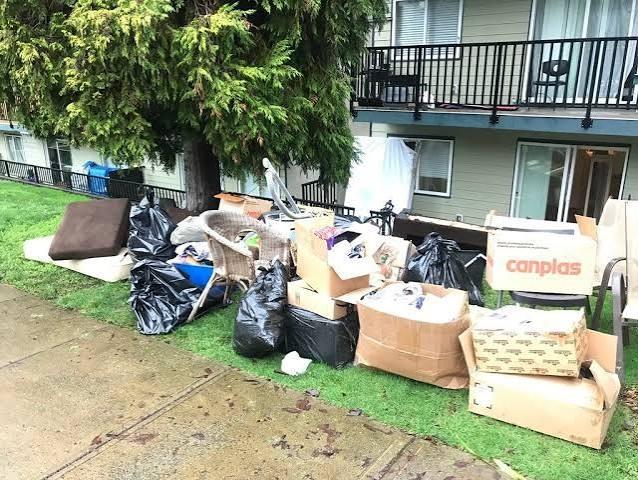
Clutter can build up surprisingly fast. An unused sofa sits in the basement, broken appliances take over the garage, and renovation leftovers get pushed into a corner until there is barely room to walk. For many homeowners, removing this material becomes difficult because regular household garbage collection is not designed for large or unusual loads.
Vancouver homes also face practical challenges such as limited storage, narrow driveways, apartment access, parking restrictions, and rainy weather. Knowing what to expect before arranging Junk Removal Vancouver can help homeowners avoid unexpected charges, delays, or problems with disposal. A little preparation can make the entire process faster and easier.
Why Vancouver Homeowners Need Junk Removal
The most common reason for hiring a removal service is simply that unwanted items have become too large, heavy, or numerous for normal garbage collection. Moving, downsizing, spring cleaning, estate cleanouts, and home improvement projects can all create more waste than a household can reasonably handle.
Renovation work is another major source of unwanted material. Old cabinets, flooring, drywall, fixtures, doors, and other debris can quickly fill a garage or driveway. Keeping this material around creates both a space problem and a safety concern.
Vancouver's housing types also affect how people deal with clutter. A detached home may have a garage or shed, while a condo may have very limited storage. Large furniture can be especially difficult to move through elevators, stairwells, hallways, and tight entrances.
Seasonal cleanouts can create another surge in demand. Homeowners often tackle garages, storage areas, yards, and basements during periods of better weather. Planning ahead can be useful because larger cleanouts require more preparation than removing one or two household items.
What Does the Removal Process Involve?
A professional removal job usually starts with an assessment of what needs to go. The homeowner should identify the furniture, appliances, construction debris, yard waste, boxes, or other unwanted materials before the crew arrives.
The next consideration is access. A crew may need to carry items down stairs, through hallways, across a yard, or from a basement. Parking distance can also affect the amount of labour involved.
Before the work begins, homeowners should confirm what the quoted price includes. Some companies charge according to truck space, while others consider the number and type of items, labour, disposal requirements, or a combination of factors.
A typical job may involve:
-
Reviewing the items and estimating the load
-
Confirming access and removal requirements
-
Protecting floors or surrounding areas when necessary
-
Carrying items from the property
-
Loading the truck efficiently
-
Sorting materials for appropriate disposal or recycling
-
Cleaning the immediate work area
-
Completing the disposal process
The actual timeline depends on the size and complexity of the job. A few bulky items may take much less time than a full garage or estate cleanout.
Homeowners should also separate anything they intend to keep before the crew arrives. Once items are loaded, it can be difficult to sort through them again.
How Much Do Junk Removal Services Cost in Vancouver?
There is no single price for every removal job. A small pickup containing several household items may cost a few hundred dollars, while a substantial property cleanout can reach several hundred dollars or more. Large construction-related loads may cost considerably more depending on weight, materials, labour, and disposal requirements.
For budgeting purposes, homeowners can generally expect smaller jobs to fall toward the lower end of the market and full cleanouts to require a significantly larger budget. These figures should be treated as broad planning ranges rather than guaranteed prices.
Several factors can change the final cost:
Volume: More material usually means more truck space and more handling.
Weight: Concrete, soil, tile, appliances, and other dense materials can increase disposal and transportation costs.
Labour: Heavy furniture or items located in basements and upper floors can require additional work.
Accessibility: Long carries, stairs, elevators, narrow entrances, and limited parking may increase labour requirements.
Material type: Certain materials require different handling or disposal methods.
Location: Travel distance and local operating conditions can affect pricing.
Preparation: A pile of ready-to-remove items is generally easier to handle than mixed clutter spread throughout a property.
A useful approach is to request a clear estimate before approving the work. Ask whether labour, transportation, loading, and disposal are included. Also ask about possible additional fees so there are fewer surprises when the job is finished.
What Should You Do Before the Crew Arrives?
Good preparation can make a removal appointment much more efficient.
Start by creating one designated area for everything that is leaving. If possible, move smaller items together and keep unwanted materials separate from belongings that are staying.
Take photographs of unusually large items when requesting an estimate. A photo can help a company understand the approximate size and quantity before arriving.
It is also useful to check whether any materials require special handling. Paint, chemicals, propane cylinders, certain electronics, and other restricted materials may not be accepted through standard removal services.
Before booking, ask:
-
What types of materials are accepted?
-
Is the quote based on volume, weight, labour, or a combination?
-
Are stairs or long carries included?
-
Are disposal and recycling fees included?
-
Is there a minimum charge?
-
What happens if the load is larger than expected?
-
Are there items the crew cannot take?
-
When is payment due?
These questions can save time and make estimates easier to compare.
Choosing Between Local Removal Companies
Not every removal company handles the same type of work. Some focus on household clutter, while others regularly deal with commercial properties, renovation debris, or large cleanouts.
A homeowner should look beyond the cheapest estimate. A very low quote may not include important charges that appear later.
For example, a homeowner might compare two estimates that look similar initially. One may include labour and disposal, while the other may charge separately for stairs, heavy materials, or additional truck space.
During your research, you may come across providers such as Trash Bandits Junk Removal Vancouver. The useful approach is to compare what each company actually includes rather than choosing based solely on a company name or advertised starting price.
Reviews can provide useful clues about punctuality, communication, care around property, and how accurately estimates match final charges. However, homeowners should still ask direct questions because individual jobs can vary considerably.
For larger projects, written estimates are especially helpful. They give both sides a clearer understanding of what is being removed and what the homeowner is paying for junk removal services.
What Materials Can Usually Be Removed?
Household removal services commonly handle many types of unwanted property, but acceptance policies vary.
Typical examples can include:
-
Old furniture
-
Mattresses
-
Household appliances
-
Cardboard and general clutter
-
Office furniture
-
Yard debris
-
Old cabinets
-
Renovation materials
-
Household fixtures
Some materials may have special disposal requirements. Hazardous chemicals, certain fuels, medical waste, and other restricted items should not simply be placed in a general junk pile.
Electronics can also require proper recycling rather than ordinary disposal. Before loading anything, confirm that the company accepts the specific material.
For renovation projects, separating reusable materials from true waste can also make sense. Some cabinets, fixtures, doors, or building materials may still have value and could be donated or reused instead of discarded.
Commercial Junk Removal Requires Different Planning
Businesses often generate a different type of waste than residential properties. Offices may need old desks, chairs, filing cabinets, electronics, and equipment removed during a move or renovation.
Retail stores, warehouses, property managers, contractors, and landlords may also need recurring cleanouts. In these situations, timing becomes particularly important because clutter can interfere with employees, customers, tenants, or ongoing construction.
Commercial jobs may involve larger volumes, multiple floors, loading areas, restricted access, or strict scheduling requirements. A business should explain these conditions before receiving an estimate.
Property managers should also consider whether unwanted materials are being removed from common areas, individual units, storage rooms, or outdoor spaces. Clear instructions help prevent useful property from being removed accidentally.
For businesses, disposal documentation may also be worth discussing when the type of material or company policy makes records important.
Warning Signs That You Should Clear the Clutter
Some junk is more than an eyesore. Excessive clutter can make parts of a property difficult to use and can create trip hazards.
Pay particular attention when:
-
Walkways or exits become blocked
-
Heavy items are stacked unsafely
-
Garages can no longer be used properly
-
Broken furniture creates sharp or unstable surfaces
-
Renovation debris is exposed to weather
-
Storage areas become difficult to access
-
Unwanted materials begin attracting pests
-
Water-sensitive materials are left outside
Moisture deserves particular attention in Vancouver's wet climate. Cardboard, untreated wood, drywall, and other absorbent materials can deteriorate when exposed to repeated moisture.
Removing clutter sooner can also make future maintenance easier. A clear basement, garage, or storage area gives homeowners better access to plumbing, electrical equipment, walls, floors, and other parts of the property that may need inspection.
DIY Junk Removal vs Hiring a Professional
DIY removal can make sense for small quantities. If you have a vehicle capable of safely transporting the material and access to an appropriate disposal facility, handling a few lightweight items yourself may be economical.
The main advantage is control over timing. You can remove items gradually instead of arranging a scheduled pickup.
The limitations become more obvious with bulky materials. Sofas, refrigerators, large cabinets, mattresses, and heavy renovation debris can be awkward and unsafe to move without suitable equipment and enough people.
A professional service can save time and physical effort. Crews are accustomed to lifting bulky objects, loading trucks efficiently, and handling larger cleanouts. This can be especially useful when stairs, narrow entrances, or large quantities are involved.
DIY makes more sense when:
-
The quantity is small
-
Items are lightweight
-
You have suitable transportation
-
Disposal arrangements are straightforward
-
You can move everything safely
Professional help becomes more practical when:
-
Items are heavy or oversized
-
There is a large volume of material
-
Access is difficult
-
A property needs a complete cleanout
-
Renovation debris has accumulated
-
You do not have suitable transportation
The cheapest option is not always the one with the lowest initial price. Consider your time, transportation, physical effort, disposal fees, and the risk of damaging walls, floors, vehicles, or belongings Commercial Junk Removal.
Final Thoughts for Vancouver Homeowners
Removing unwanted items is easier when homeowners understand the job before booking it. Start by sorting what needs to go, identifying restricted materials, checking access conditions, and asking for a clear estimate. These simple steps can prevent many common problems.
For larger cleanouts, the right service can also save considerable time and physical effort. A professional crew can handle the loading and transportation while the homeowner focuses on organizing the property and deciding what should stay.
If you're comparing junk removal in Vancouver, look for clear pricing, suitable disposal practices, reliable communication, and a service that matches the size and type of your project.
For safer handling and less hassle, choose experienced local junk removal professionals for larger or difficult cleanout projects.

 English
 Arabic
 French
 Spanish
 Portuguese
 Deutsch
 Turkish
 Dutch
Dutch
 Italiano
 Russian
 Romaian
 Portuguese (Brazil)
