


Potato Chips Market Size, Trends & Forecast 2035
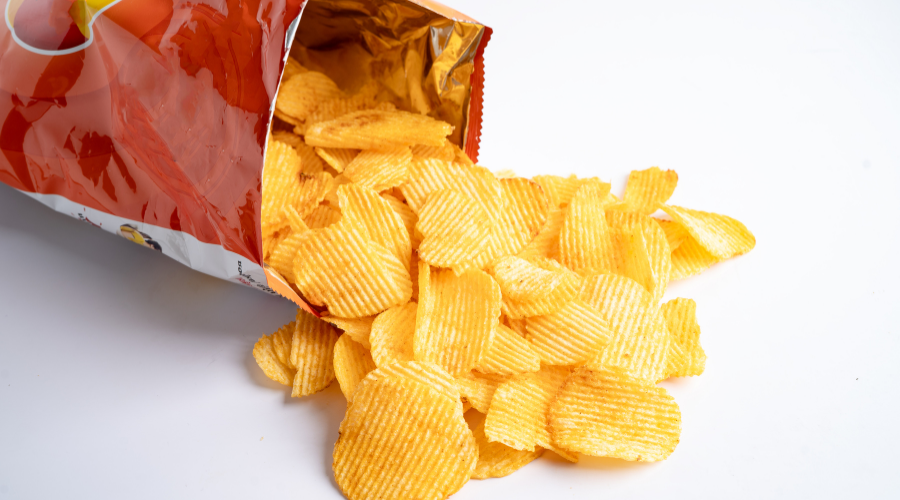
Potato chips have evolved from a simple fried snack into a highly competitive global food category shaped by convenience, flavour innovation, premiumisation, health-conscious consumption and changing retail habits. Their relatively long shelf life, portability and broad appeal make them one of the most established products in the packaged-snack industry, while constant experimentation keeps the category relevant across generations and markets.
According to Expert Market Research, the global potato chips market was valued at approximately USD 41.24 billion in 2025 and is projected to reach USD 62.23 billion by 2035, expanding at a CAGR of 4.20% between 2026 and 2035. Growth is being supported by increasing snack consumption in emerging economies, innovation in flavours and packaging, and the continued expansion of online food retail. North America remains the largest market by value, while Asia Pacific, particularly India and China, offers some of the strongest growth opportunities.
The category is also becoming more sophisticated. Manufacturers are investing in potato varieties, processing technology, seasoning systems, packaging formats and product positioning to address different consumer needs. At the same time, competition is moving beyond traditional fried chips as baked products and products marketed around simpler ingredients, lower-fat positioning or distinctive flavours gain visibility.
Potato Chips Market Growth and Industry Dynamics
The potato chips market is expanding because consumers continue to prioritise convenient, affordable and enjoyable snacks, while manufacturers have become increasingly effective at creating products for specific tastes, occasions and price points. Emerging markets are adding volume, whereas mature markets are supporting growth through premiumisation and product innovation.
Potato chips benefit from an unusually strong combination of convenience and sensory appeal. They require little preparation, can be consumed at home or outside the home, and are easily incorporated into social occasions, lunchboxes, travel and impulse purchases. Their relatively long shelf life also makes them well suited to modern retail distribution.
The availability of potatoes is another fundamental factor. Expert Market Research, citing FAO data, notes that global potato production reached nearly 375 million tonnes in 2022, with China and India among the world's largest producers. A large agricultural supply base provides manufacturers with access to the primary raw material needed for continued expansion.
However, producing a consistently high-quality chip is more complicated than simply slicing and frying a potato. Manufacturers need varieties with appropriate solids, moisture and sugar characteristics to achieve the desired texture, colour and flavour. PepsiCo says that more than 4,000 registered potato varieties exist globally but only around 10 meet the requirements for Lay's chips, illustrating how closely raw-material selection is connected to product quality.
The industry's growth therefore depends on an integrated supply chain involving farmers, processors, seasoning suppliers, packaging companies, distributors and retailers. Efficient sourcing becomes particularly important when weather conditions, agricultural costs or energy prices affect potato availability and production economics.
Product Types and the Shift Between Fried and Baked
Fried potato chips remain the dominant conventional format, but baked chips have created an important alternative for consumers looking for different textures and nutritional positioning. The distinction increasingly forms part of a broader conversation around indulgence, moderation and better-for-you snacking.
Traditional fried chips remain highly competitive because frying produces the crisp texture and flavour consumers associate with the category. Modern continuous frying systems allow manufacturers to process large volumes while maintaining tight control over temperature, cooking time and oil management.
Baked chips appeal to consumers who perceive baking as a lighter preparation method. They also allow manufacturers to develop products with different textures and formulations. While baked products do not automatically make a snack nutritionally superior, the format can support product positioning around reduced fat or alternative preparation methods.
This is important because consumers are not abandoning indulgent snacks; instead, many are balancing indulgence with health considerations. Manufacturers are responding by offering smaller portions, reduced-sodium options, alternative oils, baked products and formulations positioned around simpler or more recognisable ingredients.
The challenge is maintaining the sensory qualities that make potato chips attractive. A healthier positioning has limited commercial value if consumers consider the texture or flavour inferior. Consequently, food technologists are increasingly focused on improving the eating experience while modifying oil uptake, seasoning levels or ingredient profiles.
Processing technology is also becoming an important competitive advantage. Improvements in slicing, frying, oil filtration, seasoning application and quality control can reduce production losses and deliver more consistent chips. For large manufacturers, even small efficiency improvements can have a meaningful effect across millions of units.
Flavour Innovation Is Reshaping Consumer Demand
Flavour has become one of the industry's most effective tools for encouraging repeat purchases and attracting consumers to new products. Plain and salted chips remain foundational, but flavoured varieties are increasingly important because they allow brands to adapt products to local tastes and create limited-edition launches.
Classic flavours such as cheese and onion, sour cream and onion, barbecue and salt and vinegar remain popular in mature markets. At the same time, regional flavours are becoming an important source of differentiation. Expert Market Research identifies profiles including peri-peri, tandoori masala, jalapeño, wasabi and sriracha honey as examples of the category's expanding flavour landscape.
Localisation is particularly valuable in emerging markets. A global brand can maintain its core identity while developing flavours that reflect regional food culture. In India, for example, spicy, masala-inspired and chilli-based seasonings can help international and domestic manufacturers compete for consumers accustomed to strong flavour profiles.
The same principle applies in other regions. Asian markets can support flavours inspired by seaweed, seafood, chilli and regional spices, while Latin American markets can favour chilli, lime and other bold profiles. This gives multinational manufacturers an opportunity to combine global scale with local product development.
PepsiCo's Lay's portfolio demonstrates the scale of this approach. The company states that Lay's has more than 200 flavours globally, showing how flavour localisation can become an important component of international brand strategy.
Premiumisation is also influencing flavour development. Consumers may be willing to pay more for distinctive ingredients, gourmet seasonings or limited-edition products, particularly when these are paired with sophisticated packaging. This creates a higher-margin opportunity beyond the traditional mass-market chip.
Packaging and Distribution Are Expanding Market Reach
Supermarkets and hypermarkets remain critical to potato chip sales because they offer broad product selection and high consumer traffic, while convenience stores, speciality retailers and online platforms are increasingly important for impulse purchases and product discovery.
Large grocery retailers provide manufacturers with extensive shelf space and the ability to reach households during routine shopping trips. Potato chips are particularly suited to supermarket merchandising because they can be displayed in multiple locations, including snack aisles, promotional areas and checkout-related zones.
Convenience stores serve a different purchasing occasion. Consumers often buy single-serve packs for immediate consumption, making packaging size and portability particularly important. Smaller packs can also provide manufacturers with a way to maintain accessible price points when input costs increase.
Speciality food stores offer opportunities for premium and niche products. Artisanal chips, unusual flavours, organic-positioned products and imported brands can command higher prices when consumers are actively searching for differentiated snacks.
Online grocery and e-commerce have added another layer to distribution. Consumers can now discover products outside their local retail environment, compare pack sizes and access niche flavours that may not receive extensive physical shelf space. Expert Market Research identifies the continued expansion of e-commerce food retail as one of the factors supporting global market growth.
Packaging itself has become a competitive tool. Flexible bags remain dominant because they are lightweight and relatively efficient to transport, but manufacturers are experimenting with pack sizes, resealable formats, premium finishes and packaging designed to improve product protection.
Sustainability is increasingly part of the packaging conversation. Potato chips require packaging that protects against moisture and oxygen because loss of crispness can quickly damage consumer acceptance. Manufacturers therefore need to balance recyclability and material reduction with the barrier properties required to preserve freshness.
Regional Market Trends and Growth Opportunities
North America remains the leading regional potato chips market, supported by high consumption, established brands and sophisticated retail infrastructure. Asia Pacific is expected to provide faster growth as urbanisation, rising incomes and changing food habits increase demand for packaged snacks.
North America's mature market demonstrates how strong brand equity can coexist with continuous innovation. Consumers have extensive familiarity with major brands, but manufacturers continue to introduce flavours, limited editions, healthier-positioned products and new pack formats to stimulate demand.
The United States is particularly important. Expert Market Research estimates annual per-capita potato chip consumption at approximately 6.6 pounds, illustrating the category's entrenched position in American snack culture.
Europe also has a mature potato-chip and crisps industry, with established consumption patterns and strong demand for regional flavours. The United Kingdom, Ireland and the Netherlands are among Europe's leading markets in per-capita crisps consumption, according to Expert Market Research.
Asia Pacific presents a different growth story. China and India combine enormous populations with expanding urban middle classes and increasingly modern food-retail systems. Mordor Intelligence reports that conventional snacks, including potato chips, accounted for 85.12% of the Asia Pacific snack market in 2025, reflecting the continued importance of traditional packaged snack products even as healthier and premium alternatives expand.
India is particularly attractive because potato chips already have substantial penetration within the country's salty-snack category. Local taste preferences, affordable small packs and expanding modern retail provide manufacturers with multiple avenues for growth. China's large consumer base similarly offers scale, although competition and local flavour preferences require carefully adapted strategies.
Latin America and the Middle East and Africa provide additional opportunities through urbanisation, modern retail development and growing demand for convenient packaged foods. However, manufacturers must account for differences in purchasing power, distribution infrastructure and local taste preferences.
Competitive Landscape and Major Industry Players
Competition in the potato chips market is concentrated around brand recognition, distribution, product innovation, pricing and manufacturing scale. Large multinational snack companies compete alongside regional brands that often possess strong knowledge of local flavours and consumer preferences.
The companies covered in the supplied market landscape include PepsiCo, Inc., Utz Brands, Inc., The Lorenz Bahlsen Snack-World GmbH & Co KG, Campbell Soup Company, Burts Snacks Limited, Herr Foods Inc. and Calbee, Inc., among others.
PepsiCo is particularly influential through its Frito-Lay business and brands including Lay's. PepsiCo's 2025 annual filing describes Lay's among its major convenient-food brands and states that the company sells products in more than 200 countries and territories, demonstrating the geographic scale available to a global snack manufacturer.
The competitive landscape has also changed materially since the original company list was assembled. Kellogg Company is no longer an independent participant in the form historically associated with the list. Its global snacking business became Kellanova, and Mars completed its acquisition of Kellanova on December 11, 2025. The transaction brought Pringles and other major Kellanova snack brands into Mars Snacking.
This transaction is strategically significant because it illustrates the continuing consolidation of the global snacking industry. Mars described the acquisition as a way to expand its snacking portfolio and strengthen its ability to serve consumers across categories and geographies.
Regional manufacturers remain important because potato chips are highly sensitive to local flavour preferences and price points. Calbee, for example, has strong roots in Japan and broader Asian markets, while Utz and Herr Foods have established positions in North America. European companies such as Lorenz compete through extensive snack portfolios and regional market knowledge.
Future competition will increasingly depend on the ability to combine scale with agility. Large manufacturers have advantages in procurement, distribution and advertising, while smaller brands can respond quickly to emerging flavours, premium positioning and niche consumer preferences.
Health, Sustainability and Industry Challenges
The potato chips industry faces pressure from health-conscious consumers, fluctuating agricultural and energy costs, packaging concerns and competition from alternative snacks. Nevertheless, the category continues to benefit from its strong taste appeal and ability to adapt to changing consumer expectations.
Nutrition remains one of the industry's most important challenges. Potato chips are traditionally associated with relatively high levels of fat and sodium, encouraging consumers and regulators to scrutinise formulations and portion sizes. Manufacturers are responding through baked variants, reformulation, smaller packs and products positioned around specific dietary preferences.
However, there is a commercial limit to reformulation. Consumers expect potato chips to deliver a distinctive crunch, flavour and mouthfeel. Excessive reductions in salt or changes to cooking oils can affect the sensory characteristics that drive repeat purchases.
Agricultural volatility presents another challenge. Potatoes are vulnerable to weather conditions, disease and changes in input costs. Because chip manufacturers often require potatoes with specific processing characteristics, not every potato harvested can be substituted equally.
Oil prices and energy costs also influence production economics. Frying requires substantial heat, while packaging, transportation and warehousing add further energy exposure. Efficient processing equipment and supply-chain optimisation can therefore materially influence margins.
Sustainability is becoming increasingly relevant. Potato production requires water, land and agricultural inputs, while snack packaging creates waste-management concerns. Manufacturers are consequently examining farming practices, energy efficiency, packaging materials and supply-chain emissions.
These challenges are not necessarily barriers to growth. They are creating opportunities for manufacturers that can improve agricultural sourcing, reduce waste, optimise processing and develop packaging with better environmental performance without sacrificing shelf life.
Potato Chips Market Outlook Through 2035
The potato chips market is expected to maintain steady growth through 2035 as consumers continue to seek convenient snacks and manufacturers expand flavour, format and distribution options. The strongest opportunities are likely to emerge where companies can combine affordability with product differentiation and local market relevance.
Based on the Expert Market Research figures provided for this analysis, the global market is projected to increase from USD 41.24 billion in 2025 to USD 62.23 billion by 2035, representing a 4.20% CAGR.
Fried chips should continue to represent the foundation of the category because of their familiar texture and strong consumer acceptance, while baked products will provide an important avenue for consumers seeking alternative preparation methods. Flavoured chips are likely to outperform traditional plain or salted products as manufacturers continue using regional tastes and limited-edition concepts to stimulate demand.
Distribution will become increasingly omnichannel. Supermarkets and convenience stores will remain essential, but e-commerce will play a larger role in product discovery, multipack purchases and access to niche or premium varieties.
Geographically, North America should retain its leadership, supported by high per-capita consumption and mature snack infrastructure. Asia Pacific is likely to provide the most compelling volume-growth opportunity, particularly as India and China experience urbanisation, income growth and wider access to packaged foods.
The industry's competitive structure may also continue consolidating. The completed Mars-Kellanova transaction demonstrates how major food companies are using acquisitions to strengthen their positions in global snacking. At the same time, regional and emerging brands can compete effectively through local flavours, premium ingredients and faster product development.
Ultimately, the potato chips market remains resilient because it has successfully adapted to changing consumer behaviour. The next decade will not simply be about selling more chips; it will be about offering more relevant flavours, convenient formats, differentiated nutritional propositions and sustainable packaging while preserving the taste and texture consumers expect. Companies that manage that balance effectively should be well positioned to capture the market's projected expansion through 2035.

 English
 Arabic
 French
 Spanish
 Portuguese
 Turkish
 Dutch
Dutch
 Italiano
 Russian
 Romaian
 Portuguese (Brazil)
 Greek
Greek
