


Why Are Compact Machines Driving Demand for Deep Groove Bearings?
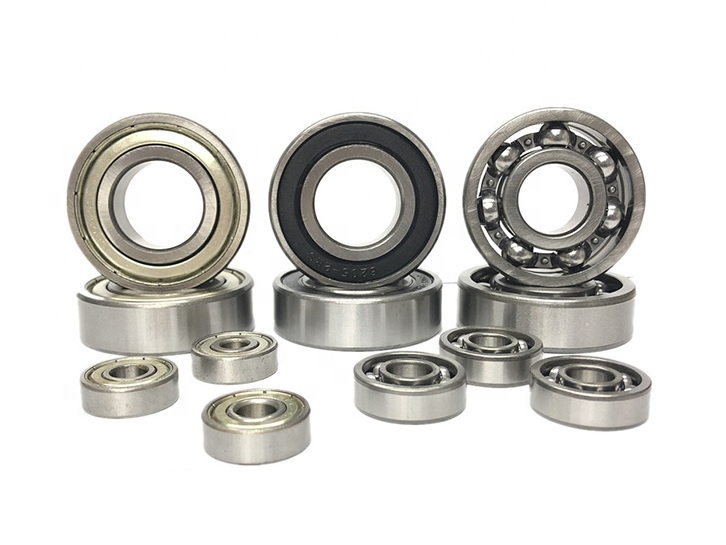
Modern mechanical systems are moving toward compact structures, higher rotational accuracy, and more demanding operating conditions. This development has created new opportunities for Single Row Deep Groove Ball Bearings, which continue to support precision applications across automation equipment, electric motors, medical devices, and industrial machinery.
Unlike large mechanical components that attract attention because of their size, bearings often determine the stability and accuracy of the entire system. A small change in bearing design, material selection, or internal clearance can influence vibration levels, operating noise, and rotational performance. Single-row deep groove designs are widely used because their simple structure allows them to balance speed capability, load handling, and installation flexibility.
Precision Requirements Are Reshaping Bearing Applications
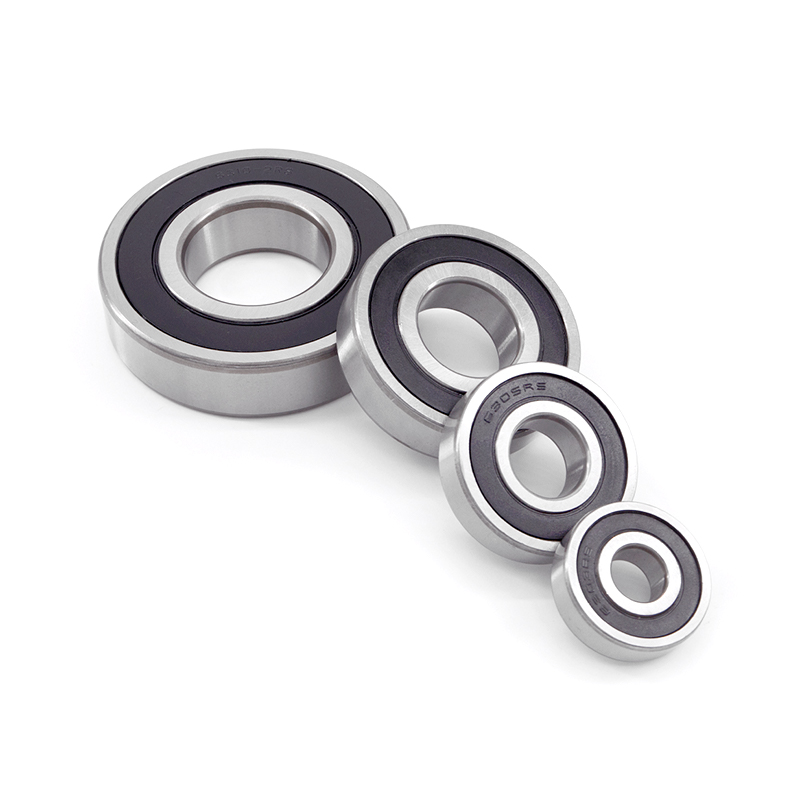
The growth of robotics, automated production lines, and intelligent equipment has increased expectations for rotating components. Traditional bearing applications focused mainly on basic rotation support, while modern systems require smoother movement and improved dimensional accuracy.
- Automation equipment: Robotic arms, conveyor systems, and positioning devices require stable rotation with reduced vibration.
- Electric drive systems: Motors and generators need bearings capable of handling continuous rotation at different speeds.
- Precision instruments: Measuring equipment and laboratory machines depend on consistent movement accuracy.
- Compact consumer equipment: Smaller devices require lightweight bearing structures without sacrificing reliability.
The deep groove raceway structure allows these bearings to support radial loads while also accommodating axial loads from both directions. This characteristic makes them suitable for various rotating applications where space and performance must be balanced.
How Design Improvements Support Modern Machinery
The development of bearing technology is not only focused on increasing load ratings. Engineers are also improving internal geometry, surface finishing, lubrication methods, and sealing solutions to meet more specialized requirements.
| Design Element | Impact on Application Performance |
| Precision-machined raceways | Helps achieve smoother ball movement and reduced friction during rotation |
| Chrome steel rings and balls | Provides strong wear resistance and suitable hardness for industrial operation |
| Steel or brass cage options | Maintains proper ball spacing and supports stable running conditions |
| Sealed or shielded versions | Helps protect internal components from dust and external contaminants |
Many industrial models use chrome steel materials because they provide a practical combination of hardness, fatigue resistance, and manufacturing consistency. Depending on the application, bearings may also include rubber seals, metal shields, or specialized lubrication to match different environments.
New Applications Driving Demand for Compact Bearing Solutions
The expansion of smart manufacturing has introduced equipment with limited installation space but higher precision expectations. Compact bearing solutions are becoming increasingly important because designers need components that fit smaller mechanical structures while maintaining stable performance.
Robotic Equipment and Automated Systems
Robotic joints require bearings that can handle repeated movements without excessive friction. Single-row deep groove designs are often applied in smaller motors, actuators, and auxiliary mechanisms because their structure supports smooth rotation and easy integration.
Energy-Efficient Motor Systems
Electric motors used in pumps, fans, and automation devices operate under continuous rotation conditions. Bearing performance directly affects noise generation and mechanical losses. Low-friction bearing designs help manufacturers develop quieter and more responsive equipment.
Precision Manufacturing Equipment
CNC machines, inspection tools, and automated production equipment require stable shaft positioning. Bearing tolerance classes and internal clearance options allow engineers to match different accuracy requirements.
Technical Factors Engineers Consider Before Application
A suitable bearing configuration depends on operating speed, load conditions, temperature range, and installation environment. Engineers usually evaluate several parameters rather than focusing on a single specification.
| Parameter | Typical Consideration |
| Bore Diameter | Determines shaft compatibility and mounting design |
| Outer Diameter | Affects housing size and installation space |
| Dynamic Load Rating | Indicates capability under continuous rotational loads |
| Operating Temperature | Influences lubrication choice and sealing requirements |
| Precision Grade | Supports applications requiring controlled runout and positioning accuracy |
For example, common industrial single-row deep groove bearing models may feature bore sizes ranging from miniature dimensions to larger industrial sizes. Certain specifications can include dynamic load ratings above tens of thousands of Newtons, depending on the bearing series and size.
Future Design Directions for Precision Bearing Systems
The next stage of bearing development is expected to focus on application-specific designs rather than simple size expansion. Equipment manufacturers are requesting components that match unique operating environments, including high-speed motors, automated machinery, and compact drive systems.
- Higher rotational stability: Improved manufacturing accuracy helps reduce vibration during operation.
- Customized sealing solutions: Different environments require different protection levels against contamination.
- Advanced lubrication technology: Specialized grease formulations support longer operating periods.
- Integration with smart monitoring: Sensors and condition monitoring systems provide additional equipment data.
Precision Applications Create New Opportunities
As mechanical equipment becomes smaller, faster, and more intelligent, bearing performance plays a greater role in overall system quality. Single-row deep groove bearing technology continues to evolve through improvements in materials, manufacturing accuracy, and application-focused designs.
From industrial motors to automated machines, these bearings provide a practical solution where smooth rotation, compact structure, and reliable operation are required. The increasing demand for precision engineering will continue to expand the role of advanced bearing solutions across global industries.

 English
 Arabic
 French
 Spanish
 Portuguese
 Deutsch
 Dutch
Dutch
 Italiano
 Russian
 Romaian
 Portuguese (Brazil)
 Greek
Greek
