


100°F Outside: Can an Electric RV AC Keep You Comfortable?
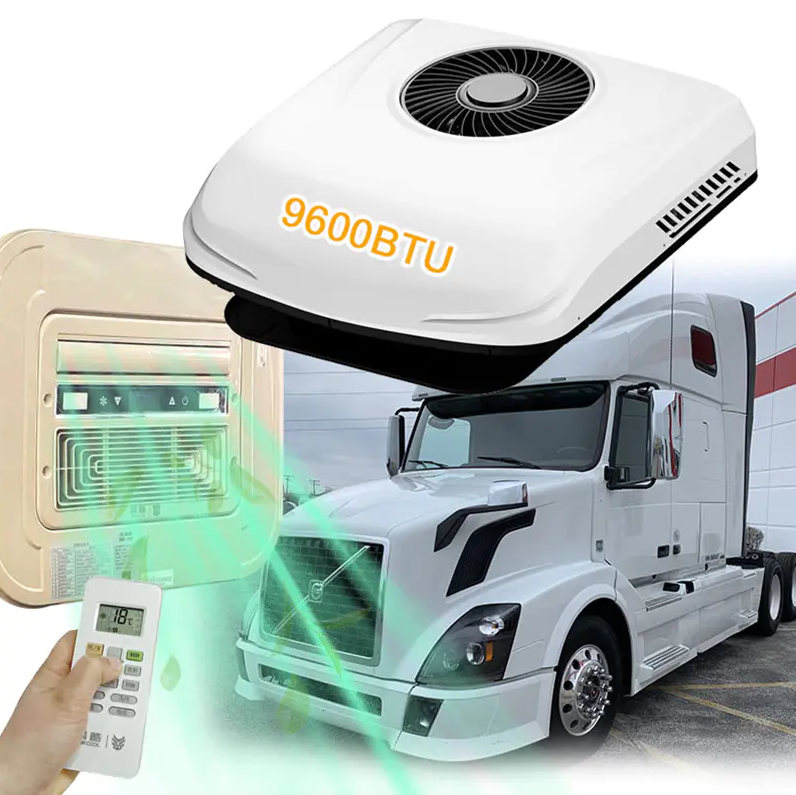
Summer heat creates one of the biggest challenges for RV owners, especially during off-grid travel, roadside stops, and overnight camping. A parked RV can quickly absorb solar heat through the roof, windows, and exterior walls, causing interior temperatures to rise significantly within a short period.
This situation has increased interest in the RV Rooftop Electric Parking Air Conditioner, a system designed to provide independent cooling without running a generator or connecting to campground power. However, many travelers still question whether an electric rooftop unit can maintain comfortable temperatures during extreme summer conditions.
The answer depends on several technical factors, including cooling capacity, battery configuration, insulation performance, and operating environment. Modern electric rooftop systems can handle demanding conditions, but proper system matching remains essential.
Why Extreme Heat Creates Higher Cooling Pressure
Cooling an RV during mild weather is relatively simple. Extreme summer conditions create a different challenge because the air conditioner must remove heat continuously rather than simply maintain an already comfortable temperature.
Major heat sources inside an RV
- Roof heat absorption: Direct sunlight can significantly increase the temperature of the upper RV structure.
- Window radiation: Large glass areas allow solar energy to enter the living space.
- Interior heat generation: Lighting, appliances, and occupants add additional thermal load.
- Poor insulation: Weak thermal barriers force the compressor to operate longer.
A rooftop electric parking AC system must overcome these heat sources before it can maintain a stable cabin temperature.
Cooling Capacity Determines Extreme Weather Performance
One important factor separating regular cooling from high-temperature performance is cooling capacity. RV rooftop units are commonly measured in BTU, which indicates the amount of heat removed per hour.
Typical RV rooftop AC capacity range
| Cooling Capacity | Suitable Application | Extreme Heat Performance |
| 4,000–6,000 BTU | Small camper vans and compact spaces | Suitable for moderate climates or insulated cabins |
| 8,000–10,000 BTU | Medium RVs and travel trailers | Handles warmer conditions with proper insulation |
| 12,000–18,000 BTU | Larger RVs and motorhomes | Better suited for high-temperature environments |
Some rooftop RV air conditioners provide cooling capacities around 10,000 BTU or higher, while larger residential-style RV units can reach 18,000 BTU with higher power requirements.
Battery Capacity: The Hidden Factor Behind Cooling Duration
An electric rooftop air conditioner can deliver strong cooling, but runtime depends heavily on available electrical energy. Battery storage determines how long the system can continue operating without external power.
Example battery and runtime relationship
| Battery Configuration | Approximate Energy Storage | Possible Cooling Scenario |
| 12V 200Ah Lithium Battery | About 2.5kWh usable energy | Short overnight cooling with moderate load |
| 24V 200Ah Lithium Battery | About 4.8kWh usable energy | Extended nighttime cooling |
| 24V/48V Larger Battery Bank | Higher energy reserve | Longer off-grid operation during hot weather |
High ambient temperatures increase compressor workload, meaning the same battery may provide different runtime during a cool night compared with a 40°C summer evening.
Can Rooftop Electric AC Maintain Comfort During 100°F Weather?
Extreme heat does not automatically mean an electric rooftop system will fail. Performance depends on how the entire RV is prepared.
Factors improving cooling results
- Roof insulation upgrades reduce heat transfer from direct sunlight.
- Reflective roof coatings help lower surface temperature.
- Window shades limit solar radiation entering the cabin.
- Efficient compressor control reduces unnecessary energy consumption.
Variable-speed compressors are increasingly used in mobile cooling systems because they can adjust output instead of repeatedly cycling between full power and shutdown. This helps maintain stable temperatures while reducing energy waste.
Rooftop Electric Parking AC vs Traditional RV Air Conditioning
Traditional RV air conditioners usually depend on campground electricity, generators, or larger AC power systems. Electric parking models focus on independent operation through DC battery power.
| Feature | Electric Rooftop Parking AC | Traditional RV AC |
| Power Source | Battery system | Shore power or generator |
| Engine/Genset Dependence | Low | Higher during off-grid use |
| Installation | Roof-mounted compact design | Roof-mounted or ducted systems |
| Off-grid Capability | Strong with sufficient battery storage | Limited without external power |
The advantage of electric parking systems is flexibility. RV owners can stop at remote locations and maintain cabin comfort without operating a fuel-powered generator.
Energy Management Becomes Critical During Summer Trips
Extreme heat conditions require more than a powerful air conditioner. Efficient energy planning helps prevent unexpected shutdowns during overnight use.
Common energy management strategies
- Using solar panels to replenish battery storage during daytime hours
- Pre-cooling the RV before sunset while external power is available
- Using sleep modes during cooler nighttime periods
- Setting reasonable temperature targets instead of excessive cooling levels
Many off-grid RV users combine rooftop electric AC systems with lithium batteries and solar charging to extend travel independence.
Noise and Comfort Considerations During Overnight Operation
Temperature is not the only concern during overnight camping. Noise level also affects sleeping comfort.
Important comfort features
- Low-noise compressor operation creates a quieter sleeping environment.
- Adjustable fan speeds allow customized airflow.
- Automatic voltage protection helps protect the battery system.
Some DC rooftop systems are designed specifically for overnight RV use, offering low-noise operation and battery protection features for extended parking periods.
Future Direction of RV Electric Cooling
The growth of battery technology is changing expectations for RV climate control. Travelers increasingly want cooling systems that support remote camping, quiet operation, and reduced dependence on fuel-powered equipment.
The RV Rooftop Electric Parking Air Conditioner has already become a practical solution for many mobile applications, but extreme summer performance depends on complete system design. A properly sized cooling unit combined with sufficient battery capacity and effective insulation can maintain comfortable conditions even during challenging weather.
Future improvements in battery density, compressor efficiency, and smart energy controls will continue expanding the role of electric rooftop cooling in RV travel.

 English
 French
 Spanish
 Portuguese
 Deutsch
 Turkish
 Dutch
Dutch
 Italiano
 Russian
 Romaian
 Portuguese (Brazil)
 Greek
Greek
