


How Do Digital Business Cards Help in Networking?
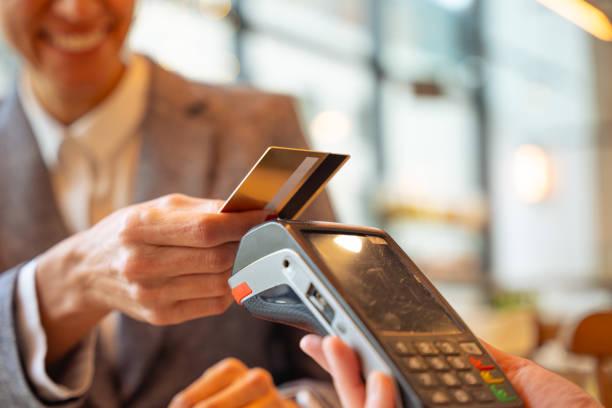
Imagine walking into a room full of professionals, making a great impression, and then fumbling through your jacket pocket only to realize you left your business cards at home. Sound familiar? That moment of awkwardness has happened to almost everyone at some point. But here's the good news — that problem is quickly becoming a thing of the past. Digital business cards are transforming the way professionals connect, share information, and build lasting relationships in today's fast-paced world.
Whether you're a startup founder, a freelancer, a corporate executive, or a small business owner, the way you present yourself matters enormously. Networking is the lifeblood of professional growth, and your business card is often the first tangible impression you leave behind. So when that "first impression" goes digital, what changes? A lot — and mostly for the better.
Let's explore how digital business cards are reshaping professional networking and why more people are making the switch.
What Exactly Is a Digital Business Card?
A digital business card is an electronic version of the traditional paper card that stores and shares your professional information. Instead of handing over a piece of cardstock, you share a link, a QR code, or a tap via NFC (Near Field Communication) technology. Platforms like HiHello, Blinq, Popl, Linq, and Dot have made creating and sharing these cards remarkably simple.
Your digital card can include your name, job title, company, email address, phone number, social media profiles, website, portfolio links, and even a photo or video introduction. The best part? All of it lives in one place and can be updated at any time without printing a single sheet of paper.
The Networking Problem That Digital Cards Solve
Traditional networking has always carried a few frustrating pain points. Paper cards get lost, become outdated the moment you change jobs or phone numbers, and contribute to a surprising amount of waste. Studies have estimated that around 88% of paper business cards are thrown away within a week of being received. That's a staggering number when you think about the time, money, and resources invested in printing them.
Digital business cards solve these problems directly. When you update your contact details on your digital card, every person who has your link or saved your contact automatically has access to the most current version of your information. No reprinting, no redistribution, and no more outdated details floating around someone's desk drawer.
Instant Sharing Makes First Impressions Faster
One of the biggest advantages digital business cards bring to networking is the sheer speed of information sharing. At a conference, trade show, or business meetup, time is precious. The faster you can exchange contact details, the more people you can connect with in a single event.
With a digital card, sharing takes seconds. You can show someone your QR code, send your card link via text message, email, or even through messaging apps like WhatsApp or LinkedIn. NFC-enabled cards like those from Popl or Dot allow a simple phone tap to transfer all your information instantly. That kind of seamless interaction leaves a memorable impression and sets the tone for a modern, tech-savvy professional relationship.
Building a Richer Professional Profile
A paper business card has limited real estate — you get a small rectangle to communicate who you are. A digital business card, on the other hand, is essentially a dynamic mini-website. You can include clickable links to your LinkedIn profile, Instagram, Twitter/X, YouTube channel, personal blog, or portfolio.
This richer experience helps the person you've just met understand who you are beyond your job title. A graphic designer can link directly to their Behance portfolio. A consultant can point prospects to their Calendly booking page. A speaker can share their reel. All of this context makes it far more likely that your new contact will follow through on reaching out, because they already know what value you bring before they even send that first email.
Eco-Friendly Networking That Reflects Your Values
Sustainability is no longer a niche concern — it's a mainstream professional value. More companies and individuals are actively looking for ways to reduce their environmental footprint, and switching from paper business cards to digital alternatives is a meaningful step in that direction.
The global paper business card industry produces billions of cards annually, most of which end up in landfills. By going digital, you're not just modernizing your networking approach — you're making a conscious choice that aligns with broader environmental values. For brands and professionals whose identity is built around sustainability, eco-consciousness, or corporate social responsibility, this shift sends a clear and consistent message to everyone they meet.
Analytics and Follow-Up: A Game-Changer for Sales Professionals
One of the most underrated features of digital business cards is the analytics they provide. Platforms like HiHello, Blinq, and Linq offer insights into how many people viewed your card, which links they clicked, and when they engaged with your information. For sales professionals, recruiters, and entrepreneurs, this data is incredibly powerful.
Imagine knowing that a potential client viewed your digital card three times in one week — that's a warm signal that they're interested. You can follow up at exactly the right moment with confidence. Traditional paper cards offer zero visibility into what happens after they leave your hand. Digital cards turn that blank space into actionable intelligence that helps you prioritize your networking efforts and close more opportunities.
Seamless Integration With CRM and Productivity Tools
Modern networking doesn't stop at the exchange of contact details — it flows into your entire professional ecosystem. Digital business card platforms increasingly integrate with customer relationship management (CRM) tools like Salesforce, HubSpot, and Zoho, as well as productivity apps like Google Contacts, Outlook, and Notion.
This means that when someone receives and saves your digital card, their information can be automatically captured and funneled into your CRM system. You can tag contacts, add notes, set follow-up reminders, and manage your growing network without manually entering data. For businesses with active sales pipelines, this level of automation dramatically improves efficiency and ensures that no valuable connection slips through the cracks.
Customization That Strengthens Personal Branding
Your business card is a branding tool, not just a contact sheet. Digital business cards give you far more flexibility when it comes to design and personalization. You can choose colors that match your brand identity, upload your logo, add a professional headshot, and even embed a short video introduction.
Platforms like Canva have even introduced digital card design features that allow non-designers to create polished, professional-looking cards in minutes. This level of customization ensures that your card looks and feels like an extension of your brand, rather than a generic template. When someone opens your digital card, they should immediately get a sense of your professional personality — and that kind of consistency builds trust and recognition over time.
Accessibility and Inclusivity in Networking
Digital business cards also make networking more accessible. For professionals with disabilities, carrying and distributing physical cards can sometimes present challenges. A digital card shared via a smartphone link, QR code, or NFC eliminates many of those barriers.
Additionally, digital cards can be shared across borders without the logistical headache of international printing standards or language barriers. Many platforms allow multilingual card options, which is a significant advantage for global professionals and companies operating in diverse markets. Networking should be as frictionless as possible for everyone involved, and digital tools move meaningfully in that direction.
Cost Efficiency Over Time
Let's talk about money, because that matters too. Printing quality business cards can cost anywhere from $20 to several hundred dollars depending on the material, finish, and quantity. Every time you change your job, move offices, or update your phone number, you're back to square one with a new print order.
Digital business cards, by contrast, typically cost between zero and a modest monthly subscription fee, depending on the platform and features you need. That one-time or recurring investment covers unlimited updates, multiple card profiles, analytics, and integration features. For freelancers, small businesses, and growing teams, the cost savings add up quickly — and the return on investment is far easier to measure when you can track engagement directly.
How to Get Started With Digital Business Cards
Getting started is easier than you might think. Here's a simple path to follow:
Choose a platform that suits your needs — HiHello and Blinq are excellent for individuals, while Popl and Linq offer strong options for teams and enterprises. Create your profile by adding your contact information, professional links, and branding elements. Generate your QR code or order an NFC card if you want a physical device that triggers your digital card. Then start sharing — add your QR code to your email signature, slide decks, social media bios, and Zoom backgrounds to maximize exposure.
The transition doesn't have to be all-or-nothing. Many professionals use digital cards as their primary tool while keeping a small stack of paper cards for situations where technology might not be accessible.
The Future of Networking Is Already Here
Digital business cards aren't a trend on the horizon — they're already part of how the world's most forward-thinking professionals network today. As remote work, hybrid events, and virtual conferences continue to reshape how we meet and collaborate, the tools we use to connect must evolve alongside them.
The shift from paper to digital is part of a much larger movement toward smarter, more intentional networking. It's about making every interaction count, ensuring your information is always current, and leaving a lasting impression that goes far beyond a piece of cardstock. For anyone serious about building meaningful professional relationships in the modern era, digital business cards aren't just a nice-to-have — they're quickly becoming essential.
FAQ: Digital Business Cards and Networking
Are digital business cards really effective for networking? Absolutely. Digital business cards allow for instant sharing, richer contact profiles, and measurable engagement — all of which make networking more effective than the traditional paper card approach.
Do I need a smartphone to use a digital business card? Most platforms are smartphone-friendly, but many also allow sharing via a web link, which means recipients don't necessarily need a specific app to view your card. Sharing options include QR codes, URLs, email, and NFC taps.
Is my information safe on a digital business card platform? Reputable platforms like HiHello, Blinq, and Popl use secure data practices and give you control over what information is visible on your card. Always review the privacy policy of any platform you use.
Can I have multiple digital business cards for different purposes? Yes! Most platforms allow you to create multiple card profiles — for example, one for your corporate role and another for your freelance work or personal brand. This flexibility is one of the key advantages over paper cards.
What if the person I'm meeting doesn't have a smartphone? You can always share your card via a text message link or email, which can be opened on any internet-connected device. Some platforms also allow you to print a QR code on a physical card as a hybrid solution.
How do digital business cards help with follow-up after events? Many platforms notify you when someone views your card and provide analytics on click-through rates. This data helps you identify warm leads and follow up at the right time, making your post-event outreach significantly more targeted and effective.

 English
 Arabic
 French
 Spanish
 Portuguese
 Deutsch
 Turkish
 Italiano
 Russian
 Romaian
 Portuguese (Brazil)
 Greek
Greek
