


How Do Shopping Addiction Treatment Centers Help With Compulsive Buying?
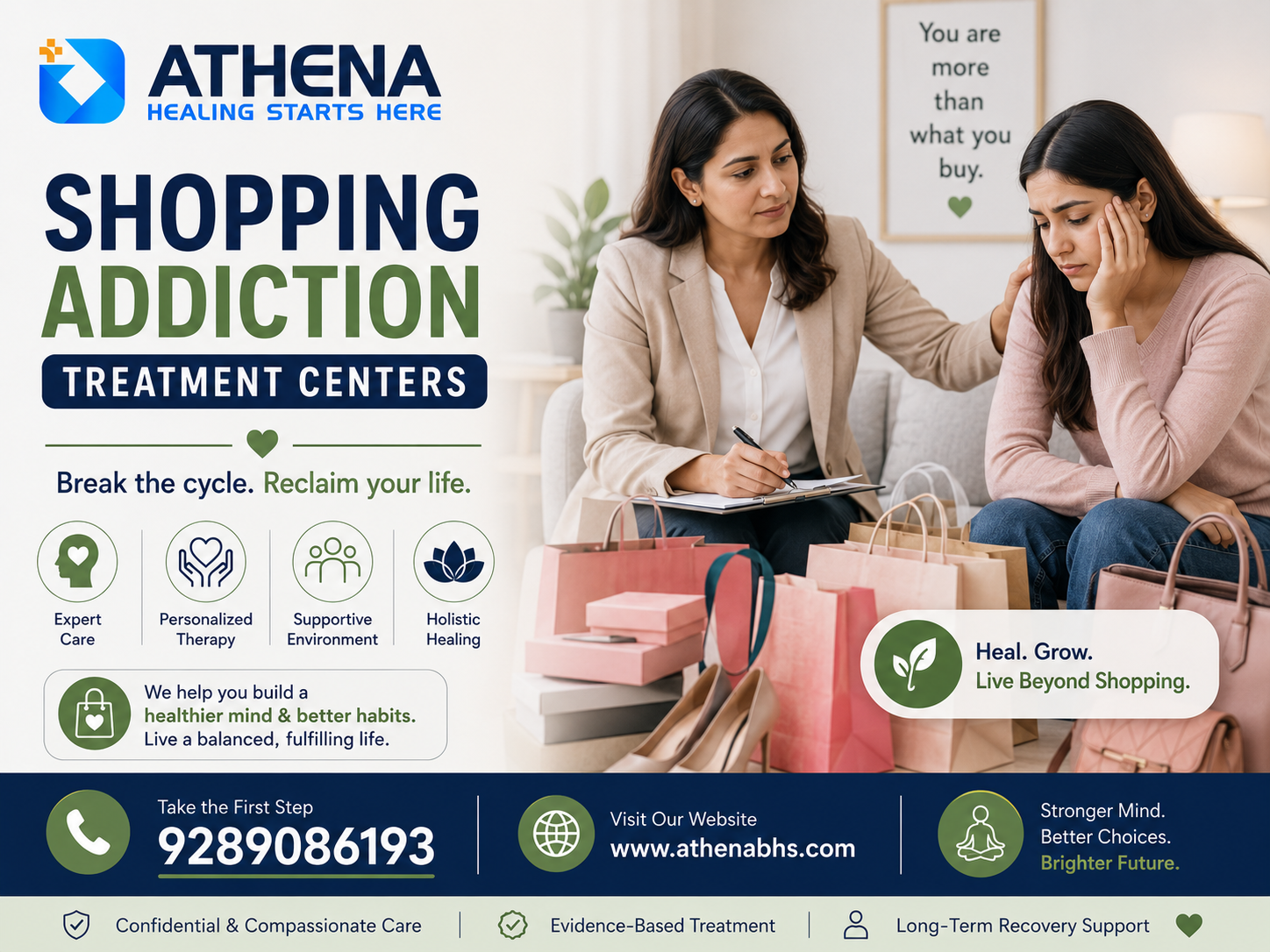
Shopping is a normal part of everyday life, but for some individuals, buying things can become difficult to control. Repeated and unnecessary purchases may provide temporary excitement or emotional relief, followed by guilt, financial stress, or relationship problems. When shopping becomes a persistent pattern that interferes with daily life, professional support may be helpful.
Shopping addiction treatment centers provide structured support for people experiencing compulsive buying behaviors. Treatment generally focuses on understanding the psychological and emotional factors behind excessive shopping, developing healthier coping strategies, and reducing behaviors that contribute to financial and personal difficulties.
What Is Compulsive Buying?
Compulsive buying refers to repeated urges to purchase items despite negative consequences. A person may shop to cope with stress, loneliness, anxiety, boredom, or low mood. The purchase can create temporary satisfaction, but this feeling may be followed by regret or distress.
Common signs may include:
- Frequently buying unnecessary items
- Difficulty controlling shopping urges
- Hiding purchases from family members
- Spending more money than intended
- Feeling anxious when unable to shop
- Experiencing guilt after purchases
- Accumulating unused or unopened products
- Using shopping to manage difficult emotions
- Experiencing financial or relationship problems because of shopping
When these patterns become persistent, a professional assessment can help determine whether treatment is appropriate.
How Do Shopping Addiction Treatment Centers Help?
The primary purpose of shopping addiction treatment centers is to help individuals understand their behavior and develop healthier ways of managing urges and emotions.
Treatment may begin with a comprehensive psychological assessment. Mental health professionals may explore shopping patterns, emotional triggers, family relationships, financial difficulties, stress levels, and other behavioral or psychological concerns.
Based on the assessment, an individualized treatment plan can be developed.
Identifying Emotional Triggers
Compulsive shopping may be connected to emotional experiences. Some individuals may shop when they feel stressed, lonely, anxious, bored, or emotionally overwhelmed.
Therapy can help identify these triggers and recognize the thoughts and situations that occur before an impulsive purchase. Understanding these patterns is an important step toward changing them.
Developing Healthier Coping Strategies
Once triggers are identified, individuals can learn alternative ways to manage difficult emotions. Instead of relying on shopping for temporary relief, therapy may encourage healthier coping mechanisms such as relaxation techniques, physical activity, social connection, structured routines, journaling, or other appropriate activities.
The objective is to create practical strategies that can be used when shopping urges occur.
Compulsive Buying Disorder Treatment
Compulsive buying disorder treatment may involve psychotherapy and behavioral interventions tailored to individual needs. Cognitive Behavioral Therapy (CBT), for example, may help individuals identify unhealthy thought patterns and replace them with more balanced responses.
Therapy can focus on:
- Recognizing impulsive thoughts
- Managing shopping triggers
- Improving emotional regulation
- Developing better decision-making skills
- Challenging unhealthy beliefs about shopping
- Building healthier routines
- Learning strategies to delay impulsive purchases
Treatment should be individualized because the causes and severity of compulsive buying can differ from person to person.
Shopping Addiction Treatment in India
Access to professional shopping addiction treatment in India can provide individuals and families with structured psychological support. Treatment may be available through mental health and behavioral health facilities that assess compulsive behaviors and related psychological concerns.
When choosing a treatment provider, consider the qualifications of the clinical team, treatment methods, privacy, individualized care, and follow-up support.
A good treatment program should focus on the underlying causes of compulsive shopping rather than simply telling someone to stop spending money.
Role of Behavioral Addiction Treatment
Shopping addiction is generally discussed within the broader category of behavioral addictions or problematic compulsive behaviors. Behavioral addiction treatment focuses on changing patterns that continue despite negative consequences.
Treatment may help individuals understand the reward cycle associated with shopping. The anticipation of buying something, the excitement of making a purchase, and the temporary emotional relief can reinforce the behavior.
Therapy can help interrupt this cycle by introducing healthier responses and improving awareness of triggers and consequences.
Does Medication Help?
Treatment depends on the individual's specific symptoms and mental health needs. There is no single medication specifically designed to treat compulsive shopping for everyone.
If a person has co-occurring concerns such as depression, anxiety, or another psychiatric condition, a qualified psychiatrist may evaluate whether medication could be appropriate. Medication decisions should always be made by a qualified medical professional after an individual assessment.
Family Support Can Make a Difference
Compulsive shopping can affect more than the individual. Financial difficulties, hidden purchases, arguments, and loss of trust may create stress within families.
Family counseling or psychoeducation can help relatives understand compulsive buying and learn supportive ways to respond. Rather than focusing only on criticism, families can encourage professional help and support healthier routines.
Open communication and realistic financial boundaries may also complement professional treatment.
Choosing a Shopping Addiction Treatment Center in India
When looking for a Shopping addiction treatment center in India, families should evaluate the facility carefully. Important factors include:
- Qualified mental health professionals
- Experience with behavioral concerns
- Personalized treatment planning
- Individual counseling
- Family support
- Confidentiality and privacy
- Psychological assessment
- Aftercare and follow-up services
It is also important to understand the difference between treatment for behavioral addictions and substance-use disorders. A De addiction center in India primarily focuses on alcohol and drug-related problems. If an individual has both substance-use and compulsive shopping concerns, an integrated assessment can help determine appropriate treatment.
Recovery and Long-Term Support
Recovery involves more than simply reducing shopping. Individuals may need to develop healthier relationships with money, emotions, and decision-making.
After completing an intensive treatment program, continued counseling and relapse-prevention strategies may help maintain progress. Recognizing early warning signs and returning to professional support when necessary can also be useful.
The goal is to help individuals regain control over their choices and build routines that support emotional and financial well-being.
Take the First Step Toward Recovery
Compulsive buying can become difficult to manage without appropriate support, particularly when it affects finances, relationships, or emotional health. Shopping addiction treatment centers can provide professional assessment, counseling, behavioral interventions, and ongoing support based on individual needs.
At Athena Behavioral Health, personalized mental health and behavioral support is provided in a professional and confidential environment. Treatment can focus on understanding compulsive behaviors, managing triggers, developing healthier coping strategies, and supporting long-term recovery.
If you or someone you care about is struggling with compulsive shopping, seeking professional guidance can be an important first step.
Call Athena Behavioral Health today: +91 92890 86193

 English
 Arabic
 French
 Spanish
 Portuguese
 Deutsch
 Turkish
 Italiano
 Russian
 Romaian
 Portuguese (Brazil)
 Greek
Greek
