


Modern Victorian Interior Design: How to Blend Ornate Heritage with Contemporary Minimalism
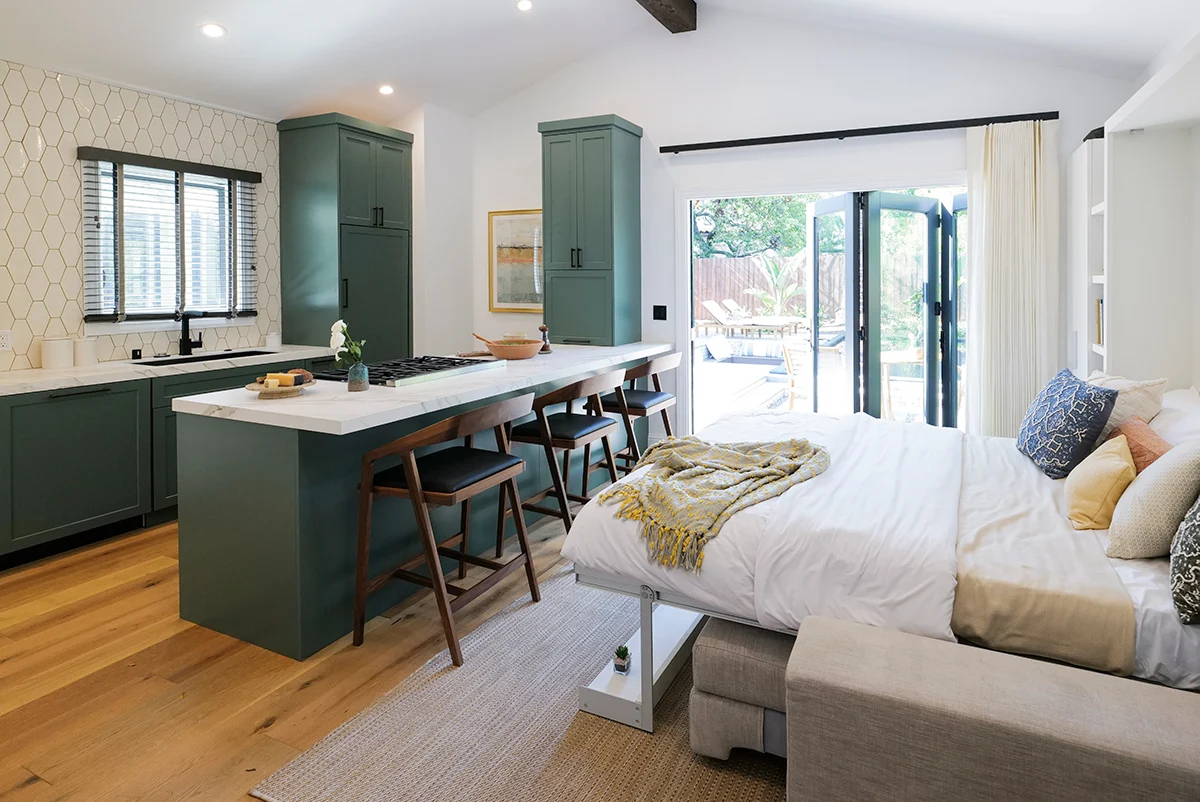
Modern Victorian interior design offers a thoughtful way to combine the character of historic architecture with the simplicity expected from contemporary homes. Victorian properties are often recognised for decorative mouldings, tall ceilings, fireplaces, timber details, patterned floors, and generous proportions. Modern living, however, usually calls for uncluttered rooms, practical storage, comfortable furniture, and carefully considered lighting. The challenge is to respect the original character without turning the home into a period museum. When traditional features and modern elements are balanced carefully, the result can feel sophisticated, welcoming, and genuinely connected to the building's history.
Understanding the Victorian Character
Before introducing contemporary furniture or finishes, it is important to understand what makes the existing property distinctive. Victorian homes can contain original cornices, ceiling roses, sash windows, fireplaces, timber floors, doors, staircases, and decorative plasterwork. Some properties have retained many of these features, while others have been altered significantly over time. Identifying which elements are original and which are later additions can help modern Victorian interior design decide what deserves restoration and what can be redesigned. The goal is not necessarily to preserve every detail, but to understand the architectural language of the property before making major changes.
Period features often provide a strong foundation for a modern interior because they already give the rooms visual identity. A decorative fireplace, for example, can become a natural focal point without requiring additional ornamentation throughout the room. Tall skirting boards and mouldings can similarly provide texture against simpler walls and furniture. Instead of competing with these details, contemporary design can create space around them so that they remain visually important. This approach allows heritage elements to feel intentional rather than outdated.
Create Balance Between Old and New
The most successful modern Victorian interiors rarely divide traditional and contemporary elements into separate zones. Instead, they allow the two styles to interact throughout the home. A classic fireplace might sit alongside a simple sofa, while an ornate ceiling can be paired with streamlined lighting and modern artwork. Contemporary furniture can provide visual calm when surrounded by decorative architectural details. This contrast creates interest without making the room feel excessively traditional or overly minimalist.
Proportion is one of the most important tools for achieving this balance. Victorian rooms can have generous ceiling heights and large windows, meaning very small modern furniture may appear lost within the space. Conversely, filling every corner with large furniture can make a period room feel crowded. Homeowners should consider the scale of furniture, lighting, rugs, artwork, and decorative objects in relation to the architecture. A carefully proportioned interior allows original features to remain prominent while providing the comfort and functionality expected from a modern home.
Use a Restrained Colour Palette
Colour can connect Victorian architecture with contemporary simplicity without requiring dramatic structural changes. Neutral backgrounds such as warm whites, soft greys, muted greens, earthy tones, or subtle creams can provide a calm foundation for decorative details. Stronger colours can then be introduced through furniture, artwork, textiles, or selected walls. The appropriate palette depends on the property's natural light, existing materials, and the homeowner's preferences. The aim is to create continuity rather than applying a different colour strategy to every room.
Dark or saturated colours can also work particularly well when used deliberately. A deep green, blue, burgundy, or charcoal tone can emphasise a fireplace or architectural wall while creating a sophisticated backdrop for modern furnishings. However, colour should be considered in relation to daylight because Victorian properties can have rooms with very different orientations and window sizes. Testing samples in the actual room is more reliable than choosing colours solely from small printed cards. Lighting conditions can significantly change how a colour appears throughout the day.
Simplify Furniture Without Removing Character
Furniture is where contemporary minimalism can make the biggest difference to a Victorian home. Instead of filling rooms with multiple decorative pieces, homeowners can select a smaller number of well-proportioned items that provide comfort and practical value. A clean-lined sofa, modern dining table, or simple armchair can contrast beautifully with ornate architectural details. Upholstery and natural materials can add warmth without introducing excessive visual complexity. This restrained approach allows the building itself to become part of the decoration.
Modern furniture does not have to look stark or industrial. Soft curves, textured fabrics, timber, stone, and carefully selected metals can introduce contemporary character while remaining sympathetic to a historic setting. The key is to avoid creating a room where every item competes for attention. A few strong pieces often have greater impact than many smaller decorative objects. This principle is especially useful in Victorian properties where the architecture already provides considerable visual interest.
Modernise Lighting Thoughtfully
Lighting can transform the relationship between heritage architecture and contemporary interiors. Victorian homes may have beautiful ceiling roses, cornices, fireplaces, and tall windows, but older properties do not always have lighting arrangements suited to modern lifestyles. Layered lighting can address this by combining general illumination with task and accent lighting. Wall lights can highlight architectural features, while floor and table lamps can create softer pools of light. Contemporary fixtures can also introduce a modern note without overwhelming the character of the room.
Lighting should be planned according to how each space is actually used. Kitchens may require strong task lighting, living rooms often benefit from flexible layered illumination, and bedrooms generally need a softer approach. Accent lighting can be used to draw attention to artwork, fireplaces, shelving, or decorative plasterwork. Where electrical upgrades are required, the design should consider existing walls, ceilings, and heritage features before installation begins. Professional advice may be particularly important where alterations could affect original fabric.
Integrate Modern Storage Solutions
Minimalist interiors depend heavily on effective storage because clutter can quickly undermine the clean visual character homeowners are trying to achieve. Victorian homes often have beautiful proportions but may lack the built-in storage expected in modern houses. Bespoke cabinetry can provide a practical solution while making use of awkward alcoves, chimney breasts, under-stair spaces, or unused corners. Storage can be designed with simple doors and restrained finishes so it complements rather than competes with original details. This approach allows everyday belongings to remain accessible without dominating the room.
Built-in storage should also be designed around the architecture rather than forcing the existing building to conform to a generic furniture system. Alcove shelving, for example, can frame a fireplace while providing useful display and storage space. Carefully designed cabinetry can conceal televisions, work equipment, appliances, or household items when they are not being used. The best solutions combine practicality with visual restraint. When storage is integrated successfully, the home can feel contemporary without losing its period character.
Connecting Interior Design With Structural Changes
Sometimes achieving a modern Victorian aesthetic requires more than furniture, colour, and decoration. Homeowners may want to open up a kitchen, improve connections to a garden, create larger openings, or introduce additional space through an extension. These changes can have a major effect on the relationship between historic and contemporary elements. The design should therefore consider the existing architecture and proposed alterations as parts of one overall composition. A contemporary addition can work beautifully with a Victorian home when the transition between old and new is carefully considered.
Homeowners searching for a house extension architect near me may be considering professional help with exactly this type of transformation. An architect can assess the existing building, explore potential layouts, consider planning and technical requirements, and develop an extension that responds to the original property's character. The strongest designs do not necessarily copy Victorian detailing in the new section. Instead, they can use modern forms and materials while maintaining appropriate scale, proportion, rhythm, and respect for the existing structure.
Choosing Materials That Bridge Both Styles
Material selection provides another opportunity to connect Victorian heritage with modern design. Timber, natural stone, ceramic tiles, metal, glass, and textured fabrics can all work across different design periods when selected carefully. Existing materials should be assessed before introducing new ones because matching every surface exactly is not always necessary or desirable. A contemporary material can sometimes create a clear visual distinction between original and new elements. This distinction can make the architectural history of the property easier to understand.
Flooring is particularly important because it covers a large visual area and influences the atmosphere of every room. Original timber floors or decorative tiles can often become major design features if they are in suitable condition. Where replacement is necessary, new flooring can be selected to complement rather than imitate the original. Rugs can then introduce softness, colour, and pattern without permanently changing the building. A considered material palette creates continuity throughout the home while allowing individual rooms to retain their own personality.
Avoiding Common Modern Victorian Design Mistakes
One common mistake is trying to recreate every traditional feature, resulting in a space that feels visually crowded and overly themed. Modern Victorian design works best when homeowners choose which heritage elements deserve attention and allow contemporary simplicity to balance them. Another mistake is removing original details simply because they appear old-fashioned. Once features such as fireplaces, mouldings, doors, or timber flooring are removed, they can be difficult or expensive to recreate authentically. Before altering significant architectural details, homeowners should consider whether restoration or sensitive adaptation could provide a better result.
Another issue is treating minimalism as a requirement to make the home completely plain. Victorian architecture naturally contains pattern, texture, craftsmanship, and decorative detail, so eliminating all visual richness can make the property feel disconnected from itself. Contemporary design should simplify the overall composition rather than erase the building's identity. A carefully selected artwork, textured fabric, decorative light, or vintage piece can add personality without creating clutter. The most successful interiors usually feel collected and comfortable rather than rigidly styled.
Final Thoughts
Modern Victorian interior design succeeds when heritage and contemporary living are treated as complementary rather than opposing ideas. Original architectural features can provide depth, craftsmanship, and personality, while modern furniture, lighting, storage, and technology can make the home practical for present-day life. The key is to create a visual hierarchy so that each element has room to be appreciated. Homeowners should focus on proportion, material quality, colour, light, and functionality instead of trying to follow a rigid decorating formula. Every Victorian property has its own history, proportions, alterations, and opportunities, so the most convincing result will always be tailored to the individual building.
For larger changes, professional architectural guidance can help homeowners protect important features while introducing new space in a thoughtful way. Whether the project involves a refined interior update or a substantial extension, decisions should consider planning requirements, structural conditions, building performance, and long-term usability. A house extension architect near me can be particularly valuable when proposed changes affect the existing structure or require a carefully designed connection between old and new. With thoughtful planning, restrained contemporary choices, and genuine respect for the original architecture, a Victorian home can feel both timeless and thoroughly modern.

 English
 Arabic
 French
 Spanish
 Portuguese
 Deutsch
 Turkish
 Dutch
Dutch
 Italiano
 Russian
 Romaian
 Portuguese (Brazil)
