


Boulder Designs: Creating Distinctive and Effective Outdoor Spaces
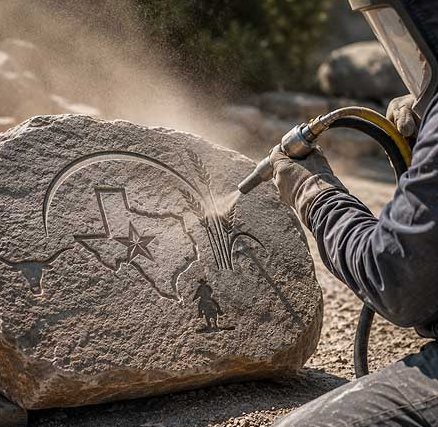
Well-planned outdoor spaces often depend on more than plants, paving, and traditional landscaping features. boulder designs can introduce natural texture, structure, and visual interest while helping define different areas of a property. Large stones can serve as focal points, retaining elements, seating features, garden borders, or decorative accents. Because each boulder has a distinctive shape, color, and surface texture, carefully selected stone can create a landscape that feels more organic and visually connected to its surroundings.
Thoughtful boulder designs can also provide practical benefits when incorporated into an overall landscape plan. Property owners may use strategically positioned stones to manage slopes, establish boundaries, frame pathways, or add contrast around planting areas. The most successful installations consider scale, drainage, placement, surrounding vegetation, and long-term maintenance rather than treating boulders as isolated decorative objects. A well-designed arrangement can improve the character of an outdoor area while remaining functional for years.
Understanding the Role of Boulder Landscaping
Boulders can perform several different roles within a landscape. Some are primarily decorative, while others can contribute to erosion control, slope management, or the definition of outdoor zones. Their substantial size gives them a visual presence that smaller landscape stones cannot easily reproduce. This makes them useful for establishing focal points in gardens, entrances, courtyards, and larger open areas. When selecting boulders, designers should consider how the stones interact with existing architecture, plants, pathways, and terrain. The goal should be a balanced composition rather than simply placing large rocks wherever open space is available.
Choosing Boulder Size and Proportion
Scale is one of the most important factors in creating a successful stone arrangement. A boulder that looks impressive in isolation may appear overwhelming when placed beside a small garden or narrow pathway. Conversely, very small stones can disappear within a large property. Designers should consider the dimensions of nearby structures, mature plant sizes, available space, and viewing distances. Using several complementary sizes can create a more natural composition, while a single larger stone may provide a stronger focal point. Proportion should always be considered in relation to the entire landscape rather than the boulder alone.
Creating Natural-Looking Arrangements
Natural landscapes rarely contain stones positioned in perfectly uniform patterns. A more organic appearance can be achieved by varying orientation, spacing, size, and visible surface area. Some boulders can be partially embedded in the soil so they appear to have existed in the landscape for a longer period. Grouping stones with related colors and textures can also create visual continuity. Designers should avoid arranging every boulder at the same height or angle because uniform placement can make the installation appear artificial. Natural irregularity, when carefully controlled, often produces a more convincing result.
Using Boulders as Landscape Focal Points
A strategically positioned boulder can draw attention to a particular part of a property. It may frame an entrance, highlight a planting bed, anchor a garden corner, or create a visual endpoint along a pathway. Focal stones work particularly well when surrounded by contrasting plants or groundcover. Lighting can further emphasize texture and shape after sunset. However, focal features should be selected according to the scale of the property. An oversized stone may dominate a small space, while a modest boulder may have little impact within a broad landscape. Careful proportion creates stronger visual harmony.
Incorporating Boulders With Plants
Plants and boulders can complement each other when their colors, forms, and scale are thoughtfully coordinated. Low-growing plants can soften the edges of large stones, while grasses and shrubs can create a layered appearance around them. Evergreen vegetation can provide year-round contrast, while seasonal plants introduce changing color. Designers should also account for mature plant size rather than planning around the appearance of newly installed vegetation. Adequate space should be left for root growth and maintenance access. Combining hard and soft landscape elements can create depth without requiring excessive decorative features.
Boulder Designs for Slopes and Drainage
Boulders can also contribute to functional landscape planning. On sloped properties, strategically placed stones may help define planting terraces or support areas where erosion is a concern. Their weight and positioning can provide physical structure while integrating naturally with vegetation. Drainage should always be considered because poorly positioned stones can redirect water toward buildings, pathways, or other sensitive areas. Proper grading and water management should form part of the design before boulders are installed. Decorative appeal is important, but structural placement should prioritize stability and responsible water flow.
Selecting Materials and Surface Characteristics
Boulders come in a wide range of colors, shapes, textures, and geological characteristics. The best choice depends on the existing landscape and architectural style. Warm-toned stones may complement natural wood and earth-colored structures, while cooler gray stones can work well with contemporary designs. Rough surfaces can create a rugged appearance, whereas smoother stones may provide a more refined aesthetic. Consistency is important when multiple stones are used together. Selecting materials with related visual characteristics can prevent the landscape from appearing disconnected or overly busy.
Planning Placement and Installation
Large stones require careful planning before installation because their weight and dimensions can make repositioning difficult. Designers should determine final placement in advance and consider underground utilities, drainage, irrigation systems, pathways, and access requirements. The stone should be positioned securely so it remains stable over time. Partial burial can improve stability while creating a more natural appearance. Installation equipment may also be required for larger boulders. Professional planning is particularly important when stones are being used near structures, retaining areas, slopes, or pedestrian spaces.
Maintaining Boulder Features Over Time
One advantage of landscape boulders is their relatively low maintenance compared with many other outdoor features. Nevertheless, surrounding vegetation, soil movement, weeds, moss, and drainage changes can affect their appearance over time. Periodic cleaning may be useful when stones become heavily covered with dirt or organic material. Plants should also be trimmed when they begin to obscure important stone features or interfere with pathways. Checking the surrounding ground for erosion or shifting can help identify problems early. Regular landscape maintenance keeps boulder installations visually integrated with the rest of the property.
Conclusion
Successful boulder designs combine natural beauty with thoughtful landscape planning. The right stones can establish focal points, define spaces, complement planting areas, and contribute to functional features such as slope management and erosion control. Choosing appropriate size, color, texture, and placement is essential for creating a balanced result that suits the property's architecture and surrounding environment. Designers should also consider drainage, installation stability, mature vegetation, and long-term maintenance before finalizing a layout. With careful planning and an emphasis on proportion and natural integration, boulders can become durable and distinctive elements of a well-designed outdoor space.

 English
 Arabic
 French
 Spanish
 Portuguese
 Turkish
 Dutch
Dutch
 Italiano
 Russian
 Romaian
 Portuguese (Brazil)
 Greek
Greek
