


Why Do Electric Dirt Bike Rear Rims Wear Faster?
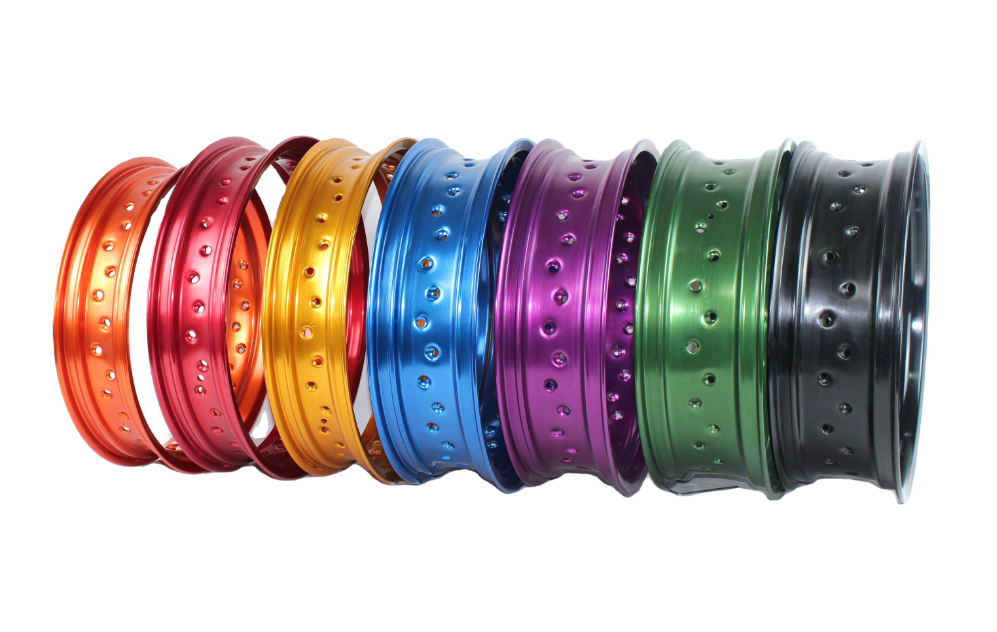
Electric dirt bikes have changed the way riders experience off-road performance. The instant torque delivery from electric motors, heavier battery systems, and aggressive trail riding conditions create a unique load environment for wheel components. Among all wheel parts, the rear wheel usually receives more attention because it handles acceleration forces, traction demands, and a large portion of the rider and battery weight.
This raises an interesting question: why does a rear black electric dirt bike rim often show different wear patterns compared with the front wheel? The answer involves torque transfer, weight distribution, spoke tension, terrain impact, and rim construction.
Unlike traditional motorcycles where power delivery builds progressively through an engine and clutch system, electric drivetrains can deliver torque almost instantly. This characteristic changes how stress reaches the rear wheel structure. Studies and rider experiences with electric-powered two-wheel systems show that rear wheels often face increased spoke stress because of motor torque and additional load concentration.

Rear Wheel and Front Wheel Experience Different Forces
Although both wheels support the motorcycle, their working conditions are not identical. The front wheel mainly focuses on steering control, braking response, and absorbing impacts from obstacles. The rear wheel performs additional tasks, including transferring motor power to the ground.
- Rear wheel: receives drive torque, manages traction, and carries higher dynamic loads during acceleration.
- Front wheel: manages steering direction, braking forces, and obstacle impact guidance.
- Wheel balance: depends on spoke tension, rim stiffness, hub structure, and tire selection.
| Wheel Position | Main Stress Source | Typical Wear Area |
| Rear Wheel | Motor torque + acceleration + rider weight transfer | Spoke holes, rim bead area, hub connection |
| Front Wheel | Braking + steering + impact loads | Sidewall area, rim edge, spoke tension zones |
How Electric Motor Torque Changes Rear Rim Wear
The biggest difference between electric dirt bikes and conventional motorcycles is torque delivery. Electric motors can provide strong rotational force immediately after throttle input, creating a sudden load increase at the rear hub.
This repeated torque application creates additional stress on the complete wheel structure. The hub transfers rotational force through the spokes and into the rim, meaning every acceleration cycle becomes a small fatigue event.
Key Effects of Instant Electric Torque
- Higher spoke tension changes: acceleration can repeatedly increase and decrease spoke loading.
- Greater hub stress: rear hubs must handle continuous torque transfer.
- More rim movement: aggressive riding can increase lateral and radial deformation.
Electric bike wheel discussions frequently highlight that rear motor systems create additional stress because motor torque is directly applied through the rear wheel structure. Proper spoke tension and wheel building quality become important factors for durability.
Why Rear Black Electric Dirt Bike Rim Designs Need Extra Reinforcement
A rear black electric dirt bike rim is not only designed for appearance. The black finish is usually applied to aluminum alloy rims that must balance strength, weight, and impact resistance.
Off-road riding introduces repeated impacts from rocks, roots, jumps, and uneven terrain. The rear wheel receives these impacts while also transmitting motor power, creating a combination of forces that the front wheel does not experience at the same level.
Common Rear Rim Design Features
- Wider rim profile: improves tire support during aggressive cornering.
- Reinforced spoke holes: helps reduce cracking caused by repeated tension cycles.
- Heat-resistant coating: maintains surface protection during demanding riding environments.
- Optimized alloy structure: provides a balance between stiffness and impact absorption.
A Hidden Factor Behind Uneven Rear Wheel Wear
Many riders focus on visible rim damage but overlook spoke tension. A wheel with incorrect tension distribution may appear normal but gradually develop fatigue problems.
Spokes work as tension-based structural members. Their geometry, size, and tension level influence wheel stiffness and fatigue behavior. Research on spoke wheel systems shows that spoke geometry and tension conditions affect stiffness characteristics and long-term performance.
Potential Signs of Rear Spoke Stress
- Frequent spoke loosening after riding on rough trails
- Small cracks around spoke holes
- Changes in wheel alignment
- Unusual vibration during acceleration
Weight Distribution Creates Different Wear Patterns
Electric dirt bikes typically carry battery packs and motor components that increase overall vehicle mass compared with lightweight traditional bikes. The rear section often receives additional loading because of motor placement and acceleration weight transfer.
| Factor | Rear Wheel Impact | Front Wheel Impact |
| Battery Weight | Higher structural demand | Limited direct influence |
| Motor Output | Direct torque loading | No drive force |
| Jump Landing | Receives strong compression forces | Handles landing direction control |
| Trail Acceleration | High traction stress | Lower torque demand |
Material Choices Affect Rear Rim Durability
Manufacturers use different aluminum alloys and production methods to achieve suitable strength characteristics. A rear wheel designed for electric dirt bike applications usually requires higher fatigue resistance than a standard recreational wheel.
Important Material Considerations
- Alloy strength: influences resistance against deformation.
- Rim wall thickness: affects impact absorption capability.
- Manufacturing precision: reduces weak points caused by inconsistent structure.
How Riders Can Evaluate Rear Rim Condition
Regular inspection helps identify early wear before performance problems appear. Rear wheels deserve additional attention because they handle both power delivery and terrain impact.
- Check spoke tension consistency after intensive trail riding.
- Inspect the rim surface around spoke holes and bead areas.
- Monitor vibration changes during acceleration.
- Confirm wheel alignment after hard impacts.
Rear Rim Performance Depends on Complete Wheel Engineering
The different wear behavior between front and rear wheels comes from their completely different responsibilities. The front wheel mainly manages direction and impact response, while the rear wheel combines traction, torque transfer, and load support.
A reliable rear black electric dirt bike rim requires more than a strong outer ring. Hub design, spoke configuration, alloy selection, and manufacturing accuracy all influence long-term performance. As electric dirt bikes continue to deliver stronger acceleration and more demanding off-road capability, rear wheel engineering will remain a key factor in achieving stable and durable riding performance.

 English
 Arabic
 French
 Portuguese
 Deutsch
 Turkish
 Dutch
Dutch
 Italiano
 Russian
 Romaian
 Portuguese (Brazil)
 Greek
Greek
