


What Should Buyers Check In A Mansen Waterproof Roof Tent
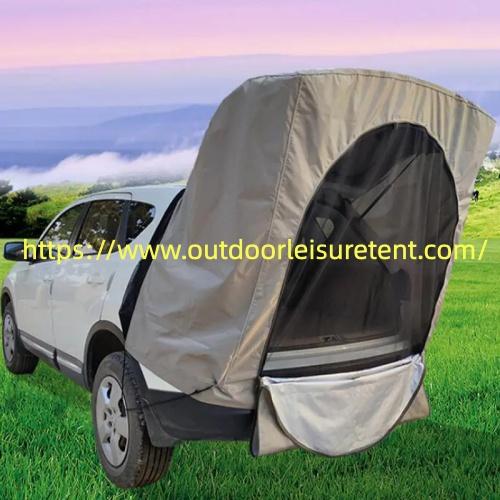
Waterproof Roof Tent selection should begin with the actual camping needs of the user rather than appearance alone. Buyers should consider where they travel, how often they camp, the number of occupants, vehicle capacity, expected weather, and available storage space. For customers comparing an Oxford Cloth Tent fabric treatment, seam construction, ventilation, dimensions, and overall weight can also influence the suitability of a product. Current industry guidance similarly recommends evaluating material, weather protection, layout, ventilation, and vehicle requirements as part of the purchasing process.
The destination is a useful starting point. Someone who mainly travels through dry regions may have different requirements from a customer who regularly visits humid coastal areas or places with frequent rainfall. Buyers should consider expected precipitation, wind exposure, temperature changes, and seasonal conditions. This does not mean selecting a product based on a single rating. Moisture protection is affected by several parts of the construction, including fabric treatment, seams, closures, and the overall design.
Fabric specifications deserve careful attention because different materials can provide different combinations of weight, flexibility, abrasion resistance, and moisture protection. Oxford based fabrics are commonly used in outdoor equipment, but the base textile itself does not determine the complete water resistance. Coating type, fabric density, yarn specification, and finishing treatment can all influence the final result. Buyers should therefore request detailed material information rather than relying only on a fabric name.
Seam construction is another point that should not be overlooked. Water can enter through stitched areas even when the surrounding fabric has suitable water resistance. Depending on the construction, taped or sealed seams can provide additional protection around joined panels. Zippers and entry areas also deserve attention because these sections can be exposed to wind driven rain. Asking a manufacturer about seam treatment and closure design can give buyers a clearer picture of how the complete product is constructed.
Ventilation is equally important for comfort. A closed structure can collect moisture from breathing, wet clothing, and temperature differences between the interior and exterior. Mesh panels, adjustable vents, and suitable openings can encourage airflow while maintaining protection from outside conditions. Buyers who travel in humid areas should pay particular attention to ventilation because moisture management can affect sleeping comfort during overnight stays.
Size should match the number of people who will normally use the product. A solo traveler may prefer a compact configuration that is easier to handle, while a family may need additional sleeping space and interior room. Buyers should compare the open dimensions, closed dimensions, mattress arrangement, headroom, ladder position, and available space for personal equipment. Larger configurations may also add weight, so size should be considered together with vehicle requirements.
Vehicle compatibility is another practical consideration. Before purchase, buyers should check the dynamic roof load limit of the vehicle and the specifications of the supporting rack system. The weight of the structure and mounting equipment should be included in this calculation. Crossbar spacing, rack profile, mounting points, and installation hardware can also affect compatibility.
Travel frequency can influence the choice as well. Occasional users may focus on straightforward setup, convenient storage, and general weather protection. Frequent travelers may pay more attention to material construction, hardware, folding mechanisms, cover design, and ease of maintenance. Buyers should think about how often the product will be opened, packed, transported, and stored before deciding which configuration fits their routine.
Maintenance should also be discussed with the manufacturer. After wet trips, the fabric should be dried properly before long term storage. Buyers can ask about cleaning methods, storage conditions, replacement components, and care recommendations. These details are useful for customers who plan extended outdoor use and can also help retailers provide practical after sales guidance.
Mansen offers configurations that can be considered for different travel habits and customer requirements. Buyers can compare dimensions, materials, construction details, mounting arrangements, and available options according to their intended market. Rather than choosing based on one specification, retailers can evaluate the complete product and match each configuration with realistic customer needs.
For retailers and outdoor product buyers who want to compare available designs, specifications, and related products, the Mansen product range is available at https://www.outdoorleisuretent.com/product/ Reviewing the available options alongside vehicle requirements, climate, user capacity, and expected usage can make product selection more practical and help customers choose equipment suited to their own travel plans.

 English
 Arabic
 French
 Spanish
 Portuguese
 Deutsch
 Turkish
 Dutch
Dutch
 Italiano
 Romaian
 Portuguese (Brazil)
 Greek
Greek
