


Military Fixed Wing Aircraft Market Growth Driven by New Technologies
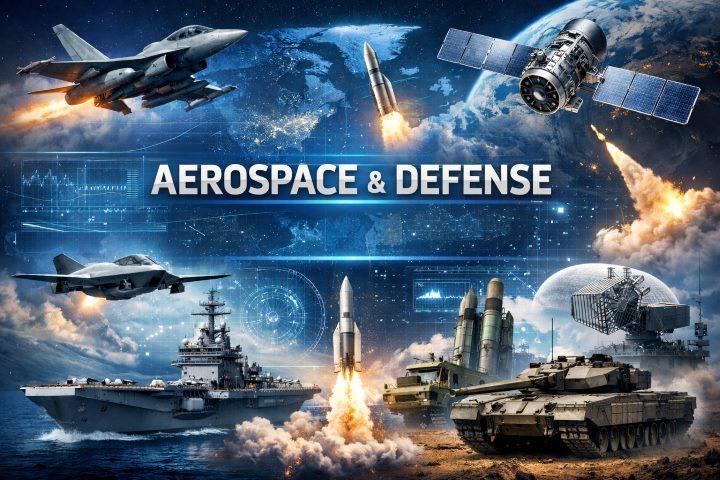
The Military Fixed Wing Aircraft Market is advancing as defense organizations invest in fleet modernization, advanced aerospace technologies, and improved operational capabilities. Fixed-wing military aircraft perform a wide variety of roles, ranging from air defense and tactical operations to strategic transportation, surveillance, reconnaissance, and maritime missions. The need to replace aging aircraft and introduce more capable platforms is encouraging governments to increase investments in aerospace programs, while manufacturers are focusing on technologies that improve aircraft performance, reliability, connectivity, and lifecycle efficiency.
The growing demand for military aircraft modernization solutions is creating opportunities across the aerospace value chain. Modernization programs can involve entirely new aircraft as well as upgrades to existing platforms. Avionics, radar, communications, navigation, mission computers, sensors, and electronic systems can be replaced or enhanced to extend an aircraft's operational relevance. These programs can provide defense organizations with improved capabilities while allowing them to manage the costs associated with complete fleet replacement.
Fighter aircraft continue to represent a major segment of military fixed-wing aviation. Modern fighters are increasingly designed around integrated electronic systems and adaptable mission capabilities. Improvements in radar, communications, navigation, and cockpit technology can enhance the aircraft's ability to operate within complex information environments. Multirole designs are also attractive because they can support multiple authorized mission requirements with configurable systems.
Military transport aircraft are another important segment. Strategic and tactical transport platforms support the movement of personnel, equipment, supplies, and other resources. Modern transport aircraft increasingly emphasize payload flexibility, range, fuel efficiency, and operational reliability. The replacement of aging transport fleets can therefore create significant opportunities for aircraft manufacturers and supporting suppliers.
Surveillance and reconnaissance platforms are benefiting from improvements in sensor and information technologies. Modern aircraft can carry sophisticated radar, optical, infrared, communications, and other sensing equipment. Advances in onboard processing can help organize information and provide useful data to authorized operators. This growing emphasis on information-driven operations is influencing the design of new fixed-wing platforms.
Maritime patrol aircraft also provide important capabilities for countries with extensive coastlines and maritime interests. These aircraft can support authorized monitoring, surveillance, search activities, and maritime security operations. Long endurance and efficient propulsion are important characteristics for aircraft expected to operate across large maritime areas.
Advanced materials are playing an increasing role in aircraft development. Composite structures and high-performance alloys can help reduce weight while maintaining structural integrity. Lower aircraft weight can support improved fuel efficiency, range, payload capability, and overall performance. Manufacturers are therefore investing in materials research, advanced manufacturing, and precision engineering.
Digital technologies are changing how military aircraft are designed and maintained. Simulation tools can help engineers evaluate aircraft structures and systems before physical production. Digital twins and condition-monitoring technologies can support maintenance planning by providing information about aircraft condition. Predictive maintenance approaches may reduce unexpected downtime and improve fleet availability when supported by appropriate data and procedures.
Supply-chain resilience is also becoming increasingly important. Military aircraft programs rely on complex networks of aerospace manufacturers, component suppliers, electronics companies, and maintenance organizations. Governments and prime contractors are placing greater emphasis on secure and reliable supply chains to support long-term aircraft availability.
International cooperation can create additional market opportunities. Joint development programs, manufacturing partnerships, technology agreements, and long-term maintenance contracts allow countries and companies to share expertise and resources. Such partnerships can strengthen domestic aerospace industries while supporting large-scale procurement programs.
The future of the Military Fixed Wing Aircraft Market is expected to be shaped by modernization programs, defense budgets, advanced electronics, digital engineering, improved materials, and demand for flexible aircraft capabilities. Manufacturers that combine platform performance with advanced systems integration and long-term support can remain competitive. As military aviation continues adopting connected technologies, fixed-wing aircraft will remain a central component of defense modernization strategies.
FAQs
1. What is military aircraft modernization?
It involves upgrading existing aircraft or replacing older platforms to improve avionics, sensors, communications, mission systems, reliability, and operational capabilities.
2. Why are composite materials used in military aircraft?
They can offer favorable strength-to-weight characteristics and may help reduce aircraft weight while maintaining structural performance.
3. What role does predictive maintenance play in military aviation?
It can use aircraft condition and operational data to support maintenance planning, potentially improving availability and reducing unexpected downtime.

 English
 Arabic
 French
 Spanish
 Portuguese
 Deutsch
 Dutch
 Italiano
 Russian
 Romaian
 Portuguese (Brazil)
 Greek
