


How Does Debris Buildup Affect Y Strainer Flow?
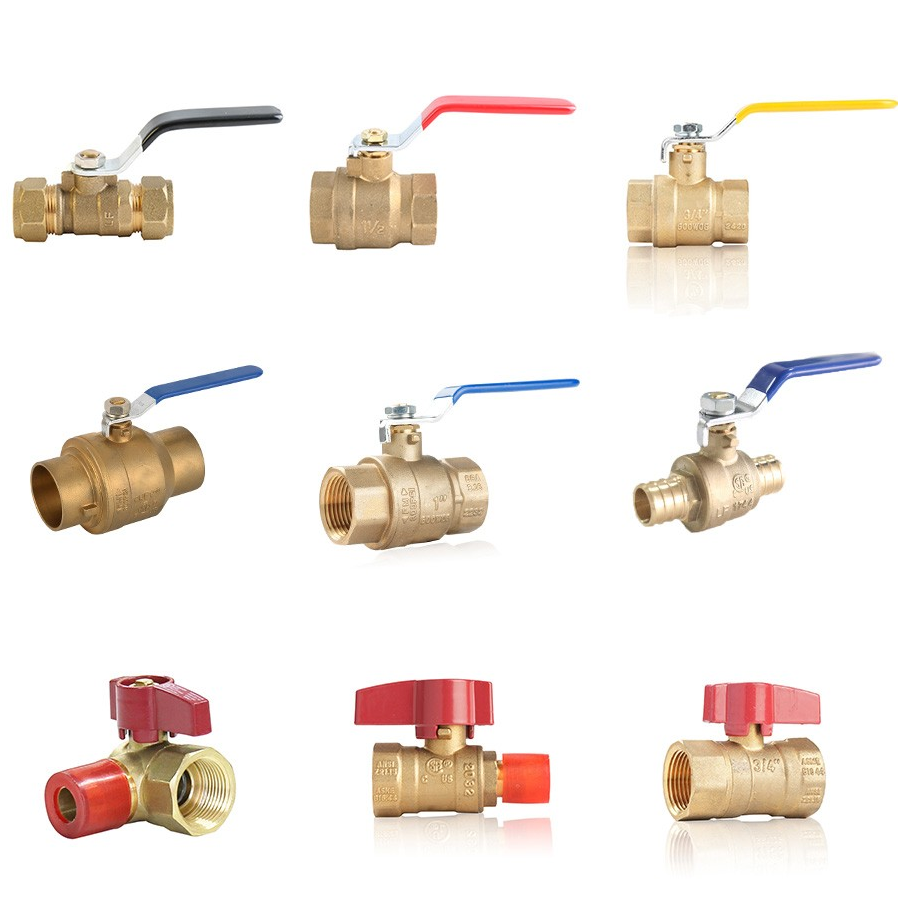
Pipeline protection depends on more than simply installing a filtration device. A Pressure Relief Y Strainer combines debris separation and pressure control functions, helping protect valves, pumps, and sensitive equipment from contamination. However, even this type of integrated component may experience flow imbalance caused by trapped particles, incorrect installation conditions, or changing system pressure.
Understanding how debris interacts with internal structures helps explain why a clean-looking strainer may still influence hydraulic performance.
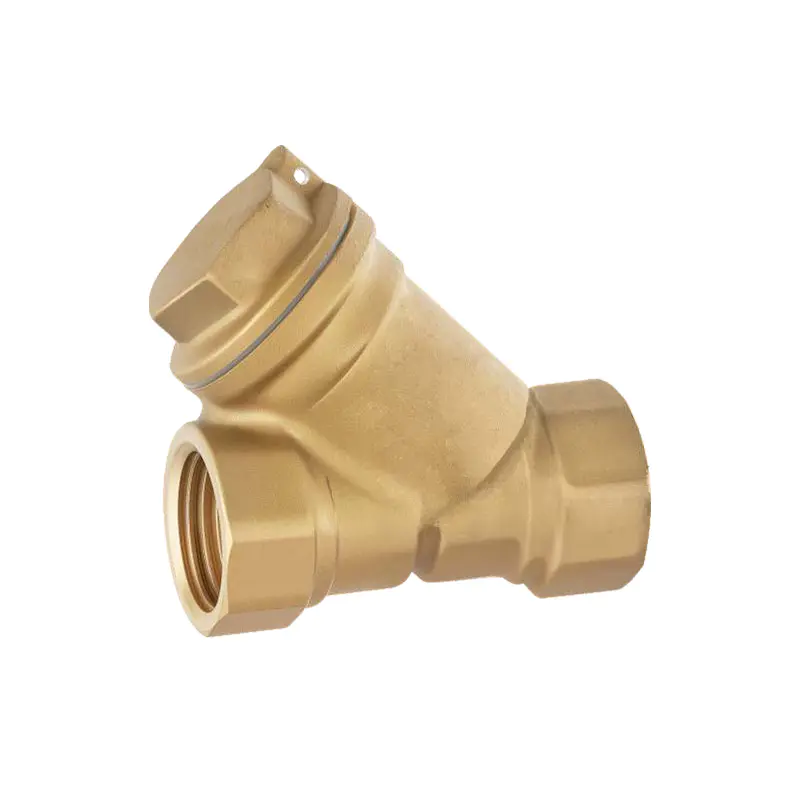
Small particles can create unexpected pressure differences
A Y-type strainer usually uses a perforated screen or mesh element to capture unwanted materials from fluid flow. The filtration process creates a pressure drop because the fluid must pass through restricted openings.
- Particle accumulation gradually reduces available flow area inside the screen.
- Uneven debris distribution may cause one side of the mesh to become blocked faster.
- Higher differential pressure appears between inlet and outlet sections.
A small amount of contamination may not stop operation, but it can change flow characteristics. Systems requiring stable pressure regulation may detect these variations through valve response changes or equipment vibration.
Why debris bypass remains possible inside filtration systems
A common assumption is that a strainer captures every particle entering the pipeline. Actual performance depends on mesh size, particle shape, flow velocity, and installation environment.
- Fine particles smaller than screen openings may continue downstream.
- Irregular debris may deform and pass through temporary openings during pressure fluctuations.
- Damaged filter screens can reduce separation capability.
Pressure relief designs must balance protection capacity and flow continuity. A filter element that is too restrictive may increase pressure loss, while a larger opening may reduce particle capture efficiency.
Flow turbulence around the Y-shaped chamber
The angled body design of a Y strainer creates a collection chamber where debris settles away from the primary flow path. However, fluid movement inside this chamber is not completely static.
- Turbulent circulation may move lightweight particles back toward the screen.
- High flow velocity can create additional pressure variation around the filtering area.
- Frequent flow changes can disturb settled contaminants.
This internal movement explains why some systems experience unstable pressure readings even after a strainer has been installed correctly.
Pressure relief response can be affected by contamination
Pressure control components rely on accurate sensing and smooth fluid movement. Debris near connection points or moving sections can influence response timing.
- Restricted passages may delay pressure equalization.
- Particles near sealing surfaces may interfere with tight closure.
- Repeated pressure cycles can move trapped contaminants through the system.
These effects are especially noticeable in systems with narrow pressure ranges, such as hydraulic circuits, water treatment equipment, and industrial fluid networks.
Installation direction changes debris behavior
The orientation of a Y strainer affects how efficiently contaminants collect inside the chamber. Incorrect positioning can reduce drainage performance and increase maintenance frequency.
- Horizontal installation is commonly used because gravity assists debris collection.
- Vertical arrangements require careful consideration of flow direction and particle movement.
- Insufficient clearance around the drain section makes cleaning more difficult.
A properly positioned Pressure Relief Y Strainer supports stable operation, while poor placement may allow contaminants to interfere with pressure balance.
Mesh selection influences long-term hydraulic stability
Filter screen specifications determine how the strainer interacts with different fluid conditions. Mesh density should match the application requirements rather than simply focusing on smaller openings.
- Coarse mesh designs reduce pressure loss but capture larger particles only.
- Fine mesh screens provide greater filtration but require closer monitoring.
- Stainless steel screens are widely applied because they offer corrosion resistance and structural durability.
Material selection, working temperature, and fluid characteristics all influence how long the filtration element maintains stable performance.
Recognizing early signs of flow imbalance
Debris-related problems often develop gradually rather than appearing as sudden failures. Operators can identify possible issues through several operating signals.
- Increasing pressure difference across the strainer indicates possible blockage.
- Reduced downstream flow may suggest restricted passages.
- Unusual noise or vibration can indicate unstable fluid movement.
Monitoring differential pressure helps determine cleaning intervals and prevents unnecessary stress on connected equipment.
Final thoughts on debris control and pressure balance
A Pressure Relief Y Strainer provides valuable protection against contamination, but it is not isolated from hydraulic challenges. Debris size, flow conditions, installation design, and maintenance practices all influence system stability.
The relationship between filtration and flow balance requires careful consideration of internal pressure changes. A well-designed strainer works as part of a complete pipeline solution, supporting reliable operation while reducing the impact of unwanted particles on connected components.

 English
 Arabic
 French
 Spanish
 Deutsch
 Turkish
 Dutch
Dutch
 Italiano
 Russian
 Romaian
 Portuguese (Brazil)
 Greek
Greek
