


How Footwear Manufacturing Connects Design, Materials and Market Demand
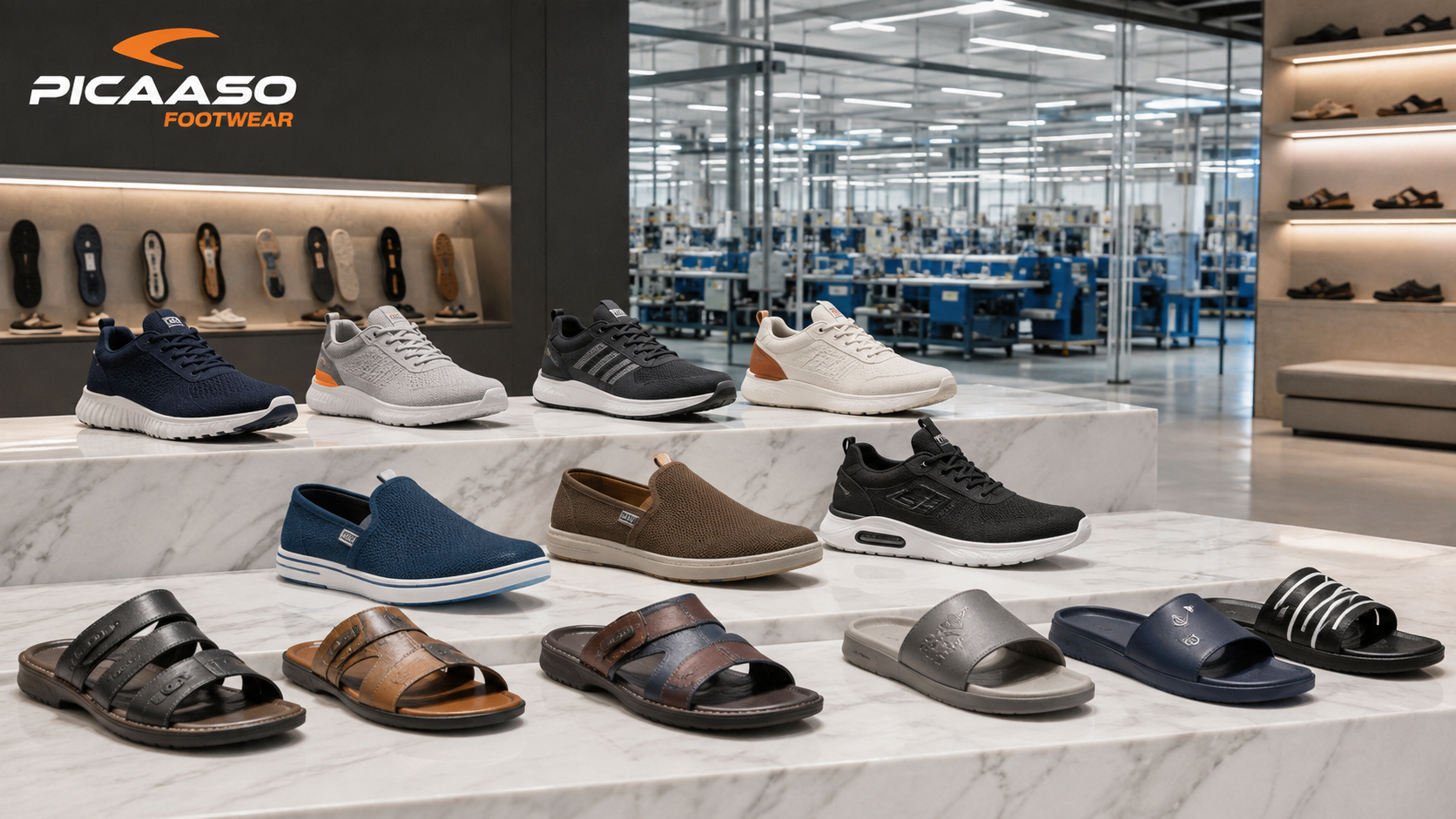
Footwear manufacturing is influenced by several factors, including changing consumer preferences, material availability, production technology and the type of product being developed. A casual shoe, sandal, slipper or sports shoe may require a different combination of components and manufacturing methods.
Understanding these differences helps explain why footwear production involves coordination between designers, material suppliers, factories and quality-control teams.
Design Is the Starting Point
Before a footwear product reaches the factory floor, basic decisions are usually made about its shape, intended use, size range and construction.
The design stage may also determine whether the product requires a moulded sole, stitched upper, lightweight cushioning or other structural features.
Businesses such as Picaaso Footwear operate within this broader footwear ecosystem, where product development and manufacturing requirements are closely connected.
Materials Affect Both Appearance and Production
Footwear can be produced using a wide variety of materials. Common examples include EVA, PU, PVC, rubber, synthetic materials and textiles.
Each material may behave differently during manufacturing. Some are suitable for moulding, while others may need cutting, stitching, bonding or layered construction.
For this reason, material selection is not only a design decision. It can also influence the machinery, processes and skills required during production.
Why Do Manufacturing Specialisations Matter?
Footwear factories can differ significantly in their capabilities. Some may specialise in sandals and slippers, while others may focus on casual shoes, sneakers or sports footwear.
Businesses researching shoe manufacturers in India may therefore look at product specialisation, available machinery, material experience and production methods rather than considering every factory as identical.
A manufacturer experienced in one footwear category may use a production setup that is very different from another unit focused on a different type of product.
Production Planning Supports Consistency
Before bulk manufacturing begins, factories may prepare production schedules based on order size, material availability and product complexity.
Production planning can help organise activities such as:
- Material preparation
- Cutting and moulding
- Stitching
- Sole preparation
- Assembly
- Finishing
- Inspection
- Packing
Proper coordination between these stages becomes particularly important when larger quantities are being produced.
How Does Quality Control Fit Into the Process?
Quality control may take place at several stages of footwear manufacturing.
Workers may check whether components match the required size and specifications before assembly. During and after production, they may also review stitching, bonding, shape, finishing and pair consistency.
These checks can help identify differences before footwear reaches the final packaging stage.
Packaging Is More Important Than It Appears
Once footwear has been manufactured and inspected, products are usually organised according to style and size before packing.
Packaging may involve labels, individual boxes, cartons or other formats depending on the intended distribution channel.
For bulk orders, accurate size-wise packing can help distributors, wholesalers and retailers manage inventory more efficiently.
Market Requirements Continue to Influence Manufacturing
Footwear demand changes according to comfort preferences, seasonal needs, fashion trends and target markets.
Manufacturers may therefore need to work with new materials, sole structures, colours and construction techniques over time.
This connection between market demand and factory capabilities is one reason why the footwear manufacturing industry continues to evolve.
Conclusion
Footwear manufacturing brings together product design, material selection, production planning, skilled work and quality inspection.
Looking at these elements as part of one connected process provides a better understanding of how footwear moves from an initial concept to a finished product ready for distribution.

 English
 Arabic
 French
 Spanish
 Portuguese
 Deutsch
 Dutch
Dutch
 Italiano
 Russian
 Romaian
 Portuguese (Brazil)
 Greek
Greek
