


Dental Braces: How to Prepare for Treatment
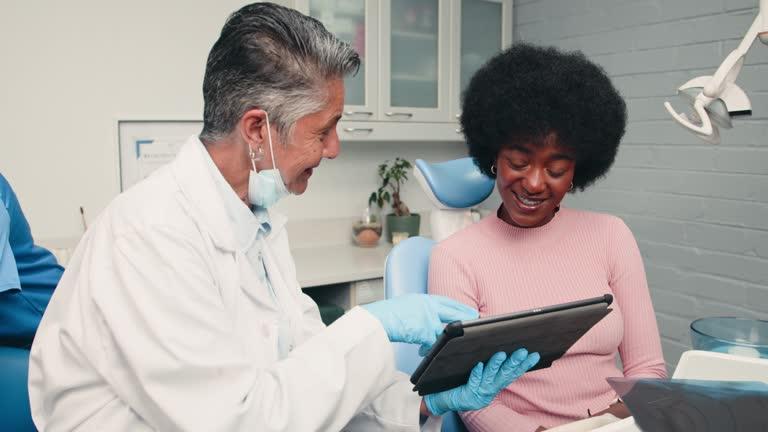
Considering Dental Braces in Dubai can help address concerns such as crowded teeth, gaps, crooked teeth, and bite irregularities. Proper preparation can make the orthodontic journey easier to understand and helps ensure that existing dental concerns are identified before treatment begins.
Why Is Preparation Important?
Preparing for braces involves more than choosing an orthodontic appliance. Your teeth, gums, bite, and overall oral health should be assessed before treatment.
A clear treatment plan also helps patients understand the expected timeline, daily care requirements, possible discomfort, and retention after braces.
Should You Have a Dental Checkup First?
Yes. A comprehensive dental examination is an important first step.
The dentist or orthodontist checks for cavities, gum problems, damaged teeth, existing restorations, and other conditions that may need attention before braces are fitted.
Dental Clinic Consultation Before Braces
A Dental Clinic can provide the initial assessment needed for orthodontic planning. The dental professional may use X-rays, photographs, digital scans, or impressions to evaluate tooth position and bite.
This information helps determine which orthodontic approach may be appropriate.
Should You Improve Your Oral Hygiene?
Maintaining good oral hygiene before starting braces is important. Plaque and food buildup can increase the risk of cavities and gum inflammation.
Regular brushing and cleaning between the teeth can help establish good habits that will remain important throughout orthodontic treatment.
What Should You Tell Your Orthodontist?
Discuss your main concerns and expectations during the consultation. Tell the orthodontist whether you are concerned about crowding, spacing, crooked teeth, bite problems, or the appearance of your smile.
You should also mention any previous dental treatment or ongoing oral concerns.
What Types of Braces Can You Consider?
Depending on your dental needs, options may include traditional metal braces, ceramic braces, or clear aligners.
Not every option is appropriate for every orthodontic problem, so the final choice should be based on professional assessment.
Should You Ask About Treatment Duration?
Yes. Ask your orthodontist for an estimated treatment timeline.
The duration can vary according to tooth movement, bite complexity, age, oral health, and how closely you follow treatment instructions.
How Should You Prepare for Dietary Changes?
Braces can make certain foods more difficult to eat and may increase the risk of damaging brackets or wires.
Be prepared to limit very hard, sticky, or chewy foods and follow the dietary recommendations provided by your orthodontic team.
What About Possible Discomfort?
Some pressure or mild tenderness may occur when braces are initially fitted or adjusted.
Knowing this beforehand can help you feel more prepared. Your orthodontist can explain appropriate ways to manage temporary discomfort.
What Oral Hygiene Tools May Help?
Patients with braces may benefit from specialized interdental cleaning tools, orthodontic toothbrushes, or other products recommended by their dental professional.
The goal is to clean carefully around brackets, wires, the gumline, and between the teeth.
What Happens During the Fitting Appointment?
During the fitting process, brackets are attached to the teeth and connected with orthodontic wires when traditional braces are used.
The orthodontic team then provides instructions about cleaning, eating, appointments, and caring for the appliance.
How Important Are Regular Appointments?
Regular appointments allow the orthodontist to monitor tooth movement and make adjustments when needed.
Missing appointments can interfere with treatment progress, so following the recommended schedule is important.
What If You Have Cavities?
Existing cavities should be evaluated before braces are fitted.
Depending on the condition of the teeth, restorative treatment may be recommended first to establish better oral health before orthodontic movement begins.
What If You Have Gum Problems?
Healthy gums are important for orthodontic treatment. Gum inflammation or other periodontal concerns may need to be addressed before braces are placed.
Maintaining good oral hygiene throughout treatment is equally important.
What Happens After Braces?
After the active phase of orthodontic treatment is completed, braces are removed and the final alignment is checked.
A retainer is generally recommended to help maintain the new tooth positions.
Why Should You Prepare for Retainers?
Retainers are an important part of orthodontic care because teeth can naturally shift after braces are removed.
Understanding the importance of retention before treatment begins can help patients stay committed to the long-term care plan.
Final Thoughts
Preparing for dental braces involves a professional assessment, healthy oral hygiene habits, realistic expectations, and an understanding of treatment requirements. Good preparation can help patients feel more confident throughout the orthodontic journey.
If you are considering Dental Braces, consult a qualified orthodontic professional for an individualized assessment and treatment plan based on your dental needs.

 English
 Arabic
 Spanish
 Portuguese
 Deutsch
 Turkish
 Dutch
Dutch
 Italiano
 Russian
 Romaian
 Portuguese (Brazil)
 Greek
Greek
