


Brake Wheel Cylinder Supports Hydraulic Braking
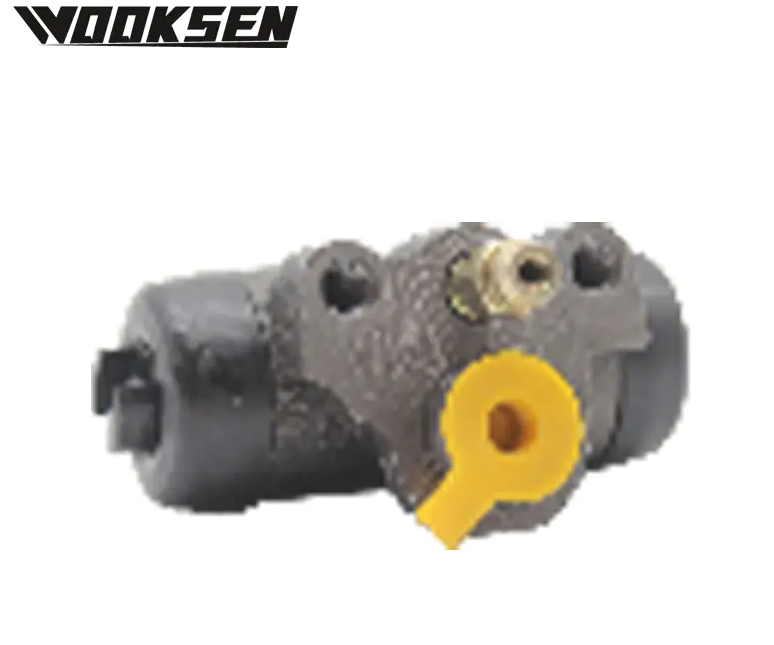
A Brake wheel cylinder is a hydraulic component found in many drum brake systems. Its basic job is to convert hydraulic pressure from the brake system into mechanical movement. When the driver presses the brake pedal, brake fluid travels through the hydraulic circuit and reaches the wheel cylinder. Internal pistons then move outward, pushing the brake shoes toward the drum.
This process may look simple, but the component has to work accurately inside a relatively compact space. A typical Brake wheel cylinder contains a cylinder body, pistons, seals, springs, and protective components. Each part has a specific role in controlling fluid pressure and piston movement. The cylinder body provides the internal passage and piston chamber, while the seals help contain the hydraulic fluid.
Material selection depends on the intended vehicle and operating requirements. Cast iron and aluminum alloys are common choices for hydraulic brake components. Aluminum can provide a lighter structure, whereas cast iron offers a different combination of strength and durability. The selected material also affects machining, surface treatment, and overall component weight.
Dimensional accuracy is important during production. The piston bore needs to correspond closely to the piston size, and the sealing surfaces require suitable finishing. Thread dimensions, mounting points, inlet ports, and overall geometry also need to match the vehicle's braking system. Even a small dimensional difference can affect installation compatibility.
A Brake wheel cylinder can vary in design according to the brake assembly. Some versions use a single piston arrangement, while others employ two pistons that move in opposite directions. The choice depends on the brake shoe layout and vehicle design. Different cylinder sizes can also produce different piston movement characteristics under hydraulic pressure.
For aftermarket distributors and vehicle component buyers, checking the complete specification is important. Useful details include part dimensions, piston diameter, mounting configuration, fluid inlet specification, material, and compatible brake assembly. Clear technical information can reduce mistakes during product selection.
A Brake wheel cylinder is a small component, yet it occupies an important position inside a drum brake system. Its hydraulic and mechanical functions connect the driver's pedal action to the movement of the brake shoes, making correct design and dimensional matching essential for the complete braking assembly.

 Arabic
 French
 Spanish
 Portuguese
 Deutsch
 Turkish
 Dutch
Dutch
 Italiano
 Russian
 Romaian
 Portuguese (Brazil)
 Greek
Greek
