


The Digital SIM Card: Inside the Modern and Secure eSIM Market Platform
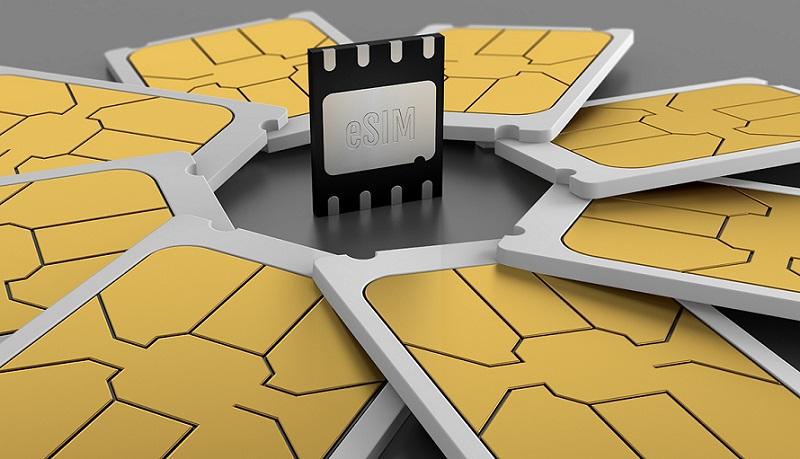
To understand how a device can seamlessly switch cellular networks with a few taps on a screen, one must look at the modern Esim Market Platform as a complete, globally standardized, and highly secure ecosystem. This platform is not just the chip in the phone; it is a complex, end-to-end architecture involving secure hardware, remote servers, and standardized communication protocols that work in concert to deliver a new cellular plan over the air. The architecture, defined by the GSMA's Remote SIM Provisioning (RSP) specifications, is designed to ensure the highest levels of security and interoperability across the entire global telecommunications industry. It can be conceptualized as having three main components: the eUICC, which is the secure chip in the device; the SM-DP+ server, which securely stores and prepares the eSIM profiles; and the LPA, the local software on the device that orchestrates the download process. The secure and reliable interaction between these three components is what makes the magic of remote SIM provisioning possible.
At the heart of the platform, embedded within the device, is the eUICC (embedded Universal Integrated Circuit Card). This is the "eSIM chip" itself. The eUICC is a highly secure, tamper-resistant microcontroller that is permanently soldered onto the device's motherboard. Its function is to securely store and run one or more operator "profiles." A profile is the digital equivalent of a physical SIM card; it contains the subscriber's identity (IMSI), the authentication keys, and the network settings needed to connect to a specific mobile operator's network. The eUICC is designed to be a secure vault, protecting these sensitive credentials from being extracted or cloned. Unlike a traditional SIM which can only hold one profile, a modern eUICC can store multiple profiles simultaneously, although typically only one can be active at a time. The user can then easily switch between these stored profiles through the device's settings menu, for example, switching from their home carrier to a travel data plan. The security and multi-profile capability of the eUICC are its core technological differentiators.
The second critical component of the platform, residing in the cloud, is the SM-DP+ (Subscription Manager - Data Preparation+) server. This secure server is operated by the mobile network operator or by a certified third-party provider. Its role is to be the secure repository for the operator's eSIM profiles. When a user purchases a new eSIM plan, the SM-DP+ server is responsible for generating a unique, encrypted profile for that specific subscription. It then creates an "activation code," which is typically presented to the user as a QR code or delivered through an operator's app. The "+" in SM-DP+ signifies that it combines two functions: preparing the subscription data (DP) and securely managing its delivery to the device's eUICC (SM). This server acts as the secure bridge between the mobile operator's back-end billing and subscriber management systems and the end-user's device, ensuring that the profile is created and delivered in a standardized and highly secure manner.
The final piece of the puzzle, which orchestrates the entire process on the device itself, is the LPA (Local Profile Assistant). The LPA is a software application or a function within the device's operating system (like iOS or Android). When a user scans an activation QR code or initiates a download from an app, it is the LPA that springs into action. The LPA first communicates with the server address specified in the activation code to securely connect to the carrier's SM-DP+ server. It then facilitates a secure, end-to-end encrypted communication channel between the SM-DP+ and the eUICC on the device. Through this channel, the new, encrypted operator profile is downloaded from the SM-DP+ and installed directly onto the secure eUICC chip. The LPA then allows the user to manage their installed profiles, giving them the interface to activate, deactivate, or delete them. In essence, the LPA is the user-facing "conductor" of the entire remote SIM provisioning process, making a highly complex and secure background process appear simple and instantaneous to the user.
Other Exclusive Reports:

 English
 Arabic
 French
 Spanish
 Portuguese
 Deutsch
 Turkish
 Dutch
Dutch
 Italiano
 Romaian
 Portuguese (Brazil)
 Greek
Greek
